
Indonesia Learns from China to Develop Skills and Advance Waste-Processing Technology
Jakarta – Indonesia should not simply buy technology from other countries, but also develop the human resources needed to master, operate and improve it independently.
Transmigration Minister M. Iftitah Sulaiman Suryanagara made the remarks during a working visit to Sanfeng Environment Group, a developer of waste-to-energy technology, in Chongqing, China.
During the visit, Iftitah said he had studied how China developed its waste-processing technology capabilities through education, research, international cooperation and the gradual growth of its industries.
“We want our cooperation not only to involve selling products; we also want to empower communities through the transfer of knowledge, which can then lead to technology transfer,” Iftitah said in a statement on Monday (19 October 2026).
He said Sanfeng’s experience showed that mastering technology required long-term investment in people, rather than simply procuring machinery and building facilities.
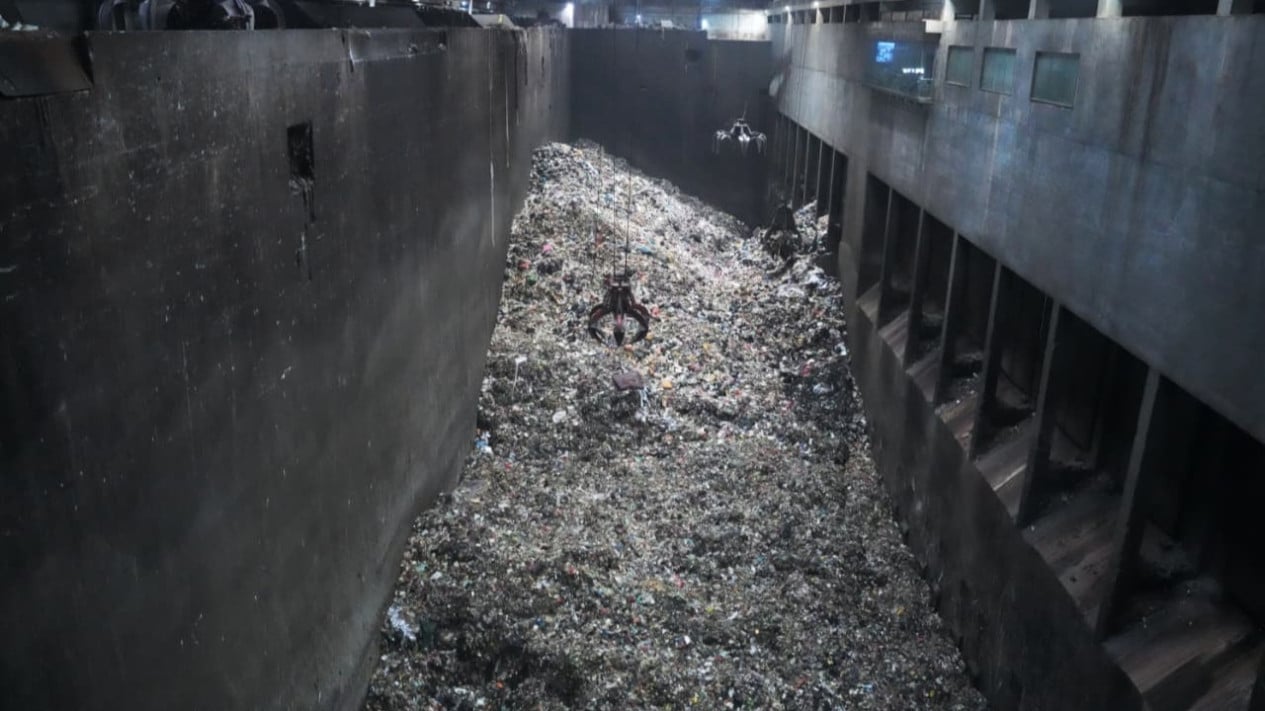
Sanfeng is a Chinese company that develops technology to convert municipal waste into electricity. It began adopting German technology in 2000, then gradually developed capabilities in engineering, equipment manufacturing, facility construction, and the operation and maintenance of waste-processing plants.
After more than two decades of technological development and innovation, Sanfeng is now able to manufacture various core components and develop waste-to-energy projects in several countries.
Iftitah said he was interested in the company’s development. In his view, success in building modern technology does not happen overnight, but requires learning, consistency and a willingness to develop domestic capabilities.
He said the experience was relevant to Indonesia, which is seeking to strengthen its national industry while addressing environmental challenges. For Iftitah, successful technology transfer is not measured simply by whether a machine has been installed.
“Rather, it is when people at home become increasingly capable of operating, maintaining and developing that technology,” he said.
During the visit, the Transmigration Ministry delegation also studied Sanfeng’s process for converting waste into electricity. One facility they visited has the capacity to process around 3,000 tonnes of waste a day.