
Indonesia Launches National Action to Prevent OOT Misuse and Protect Youth
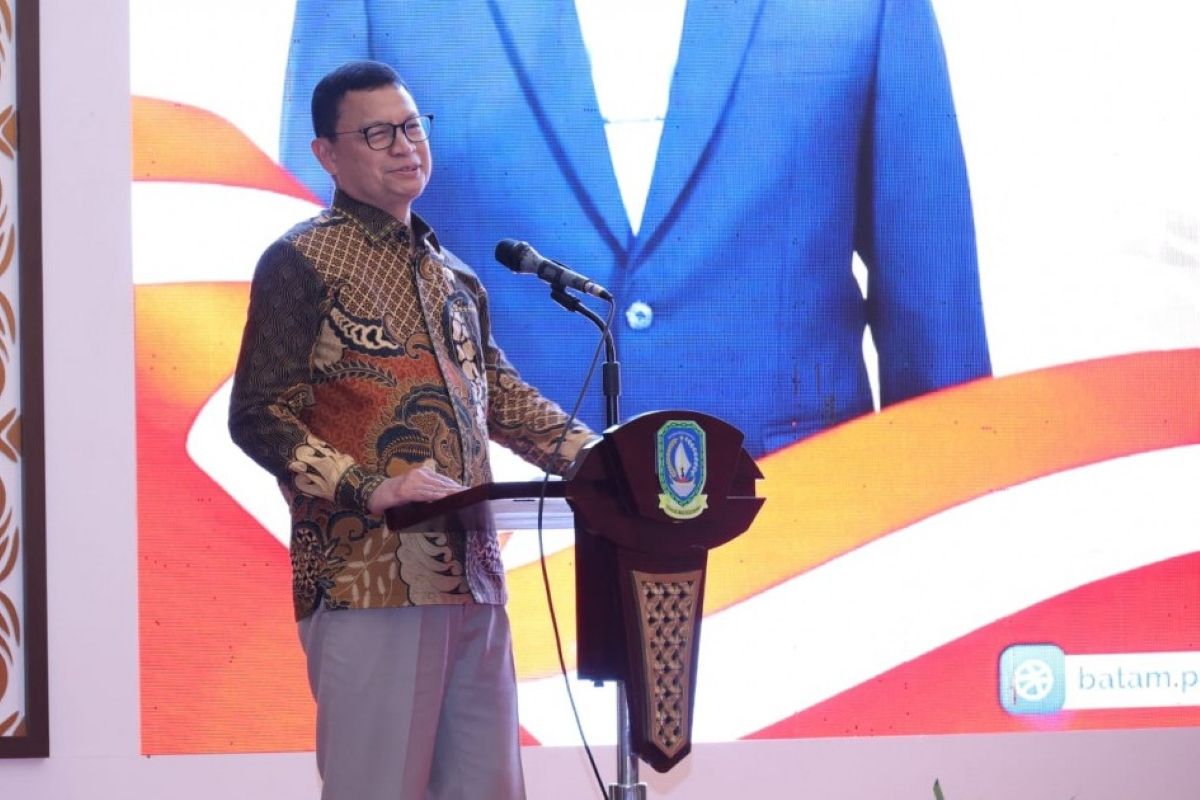
Jakarta (ANTARA) - The government has launched a National Action for the Prevention of Specific Medicines (OOT) Misuse in the Riau Islands Province as part of efforts to strengthen coordinated and sustainable prevention of OOT misuse to protect Indonesian children and teenagers.
In a statement in Jakarta on Tuesday, Food and Drug Supervisory Agency (BPOM) Chief Taruna Ikrar explained the fundamental difference between narcotics and OOT, which is now a serious concern for BPOM oversight. He highlighted that mafia groups are deliberately shifting from narcotics to OOT due to lighter legal penalties.
“It has similar effects, but it can avoid the death penalty,” he said.
He also recounted the fall of ancient China due to opium trafficking, using it as a mirror for Indonesia’s current situation.
According to BPOM Regulation No. 19 of 2025 on the Amendment of BPOM Regulation No. 9 of 2024 on Guidelines for Follow-up Actions from Drug, Medicinal Ingredients, Narcotics, Psychotropics, Precursors, and Addictive Substances Oversight, there are currently 12 types of OOT designated, including tramadol, trihexyphenidyl, and ketamine.
He also revealed surprising findings from recent law enforcement operations conducted by BPOM in several regions.
“We found 1.6 billion capsules,” he said.
Additionally, authorities have seized thousands of tonnes of raw materials capable of producing 5 to 6 billion capsules, with an estimated economic value of hundreds of trillions of rupiah.
Regarding the province, Taruna cited concerning intelligence findings.
“In Batam alone, there are only two normal entry routes: air and ferry ports. But there are approximately 54 clandestine routes for smuggling food, drinks, medicines, and other items illegally,” he said.
“Therefore, protecting young people has become a national priority,” he added.
From a neuroscience perspective, Isyana explained that in teenagers, the prefrontal cortex—the part of the brain responsible for decision-making, emotional control, and risk assessment—is not fully developed.
Isyana Oka emphasised that prevention must start upstream, not downstream.
“Prevention cannot solely rely on security or legal approaches. The most fundamental root—how young people’s thinking, mental state, and character are formed—must be addressed,” she said.
Riau Islands Governor Ansar Ahmad highlighted the province’s geographical position, making it a high-risk area. He noted that the province borders one of the world’s busiest international trade routes.
“Kepri borders one of the top 10 global trade checkpoints, the Malacca Strait, which sees an average of 80,000 ships passing annually,” Ansar said.
Governor Ansar warned that with 98.5% of the area being sea, the risk of illegal drug smuggling is high. He acknowledged the challenges in monitoring the region and stressed that addressing it requires multi-agency cooperation.