
Indonesia Launches Domestic Credit Card, More Efficient than Visa and Mastercard
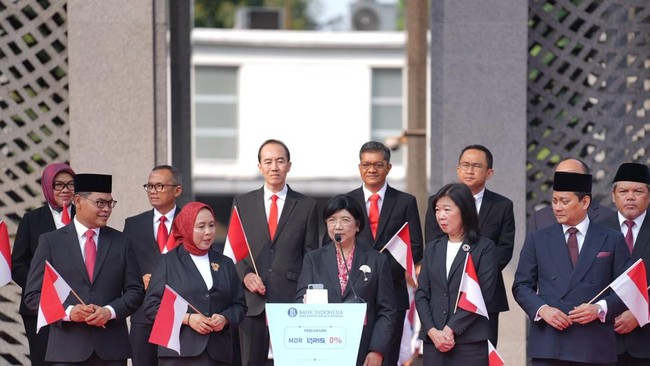
Bank Indonesia has launched the Kartu Kredit Indonesia (KKI). This product can be held by individuals and corporations as a payment instrument with credit or deferred payment facilities. In simple terms, KKI works like a regular credit card. Cardholders receive a credit limit from the issuer, use it for purchases, and then pay the bill according to the terms.
The most interesting aspect of KKI lies in how it is used. In the initial phase, KKI will be available in digital form and can be selected as a source of funds when paying via QRIS. This means consumers can scan QRIS at stalls, restaurants, shops, or other merchants, but the money used does not come from an account balance. The transaction will be added to the credit card bill.
The main difference between KKI and Visa or Mastercard credit cards is behind the scenes. KKI transactions are processed domestically through the National Payment System Infrastructure. Meanwhile, Visa and Mastercard transactions use international principal networks that connect merchants, acquiring banks, and card-issuing banks. Visa and Mastercard are not card-issuing banks. Both provide payment networks, while cards, credit limits, bills, and customer services remain managed by banks or issuing institutions.
Integration with QRIS opens opportunities for credit card use at more merchants. As long as a merchant accepts QRIS, consumers can in principle select KKI as a source of funds. This is an important distinction because many small shops and micro businesses already accept QRIS but do not yet have EDC machines to process credit cards. KKI will support QRIS MPM by scanning the merchant’s code, QRIS CPM by displaying a code for the merchant to scan, and QRIS TAP by bringing the phone close to a payment terminal. In the future, KKI will also be developed for online transactions and physical card use. However, these two services are not yet the focus in the initial implementation phase.
Although it uses domestic infrastructure, KKI is designed to be used abroad through QRIS Antarnegara. Users can only transact in partner countries and at merchants connected to the service. Its coverage is certainly not yet as broad as Visa and Mastercard. Both international networks are accepted by merchants in many countries and are commonly used for travel and electronic commerce. Therefore, KKI and international cards are likely to have complementary functions. KKI can be used for domestic QRIS-based transactions, while Visa or Mastercard remain necessary for global merchants and international websites.
The entry of credit as a source of funds into QRIS is something consumers need to pay attention to. The public has mostly known QRIS as a payment method that directly deducts account balances or digital wallets. With KKI, QRIS payments will instead add to the credit card bill. The ease of scanning QR codes can make credit use feel lighter, even though every transaction remains a debt that must be repaid.
KKI transaction provisions will follow the payment channel used. For the QRIS feature, the transaction limit is said to reach Rp10 million per transaction. Prospective KKI users must still go through verification, credit assessment, and risk management processes from the issuer. Primary cardholders must be at least 21 years old or married. Prospective users must also have a minimum income of Rp3 million per month after deducting obligations. Credit limits and ownership limits follow applicable credit card provisions and the assessment results of each issuer.
In the initial implementation, seven banks have been prepared as first movers: BCA, Bank Mandiri, BNI, BRI, CIMB Niaga, Permata Bank, and Bank Mega. BSI will be a next mover that can issue KKI.
Domestic processing does not automatically make KKI interest rates lower than Visa or Mastercard credit cards. KKI interest rate limits still follow applicable credit card provisions. Annual fees, penalties, instalment programmes, promotions, and other facilities will also depend on each issuer’s policies. Meanwhile, the Merchant Discount Rate or MDR for QRIS is a cost borne by merchants, not consumers. The rate is determined based on merchant category and transaction value. The expansion of 0% MDR QRIS for all merchant categories for transactions up to Rp100,000 is planned to take effect on 1 October 2026. For micro businesses specifically, the 0% rate remains in effect for transactions up to Rp500,000.
Bank Indonesia has stated that KKI will coexist with international principal credit cards. The public can still choose cards based on their needs. KKI’s appeal lies in the combination of credit facilities, domestic processing, and QRIS reach. This product has the potential to bring credit card payments to merchants that previously did not have EDC machines. Visa and Mastercard still have advantages in global acceptance, online transactions, and more mature physical card use.
KKI is a form of Indonesian self-reliance in the payment system. Viewed more broadly, KKI transactions processed domestically will create efficiency and effectiveness for banks. Costs incurred by customers with KKI are far cheaper compared to cards bearing the Visa and Mastercard logos. This approach will protect customer funds from being drained excessively by transactions.
Source: jawawa.id (https://jawawa.id/newsitem/indonesia-launches-domestic-credit-card-more-efficient-than-visa-and-mastercard-1787065175)
Originally published by CNBC Indonesia (https://www.cnbcindonesia.com/research/20260818132401-128-760291/ri-punya-kartu-kredit-indonesia-lebih-efisien-dari-visa-mastercard), translated from Indonesian