
Indonesia Joins Global 50-in-5 Campaign to Strengthen Digital Public Infrastructure
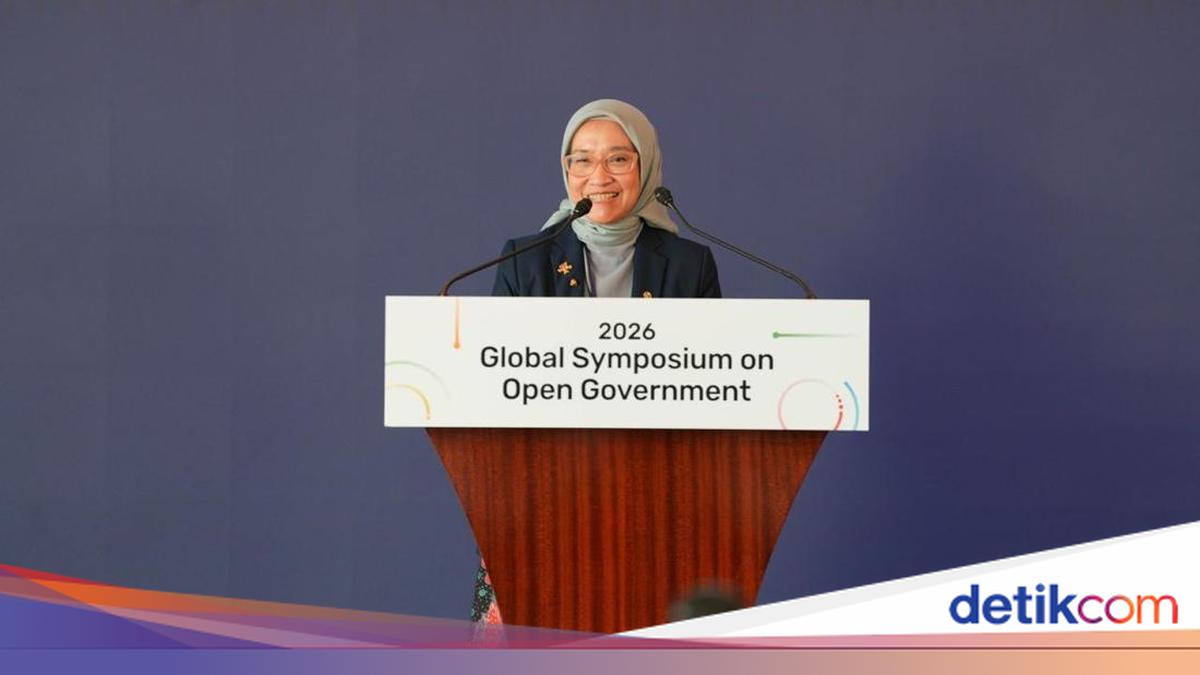
The Indonesian government has officially joined the Global 50-in-5 campaign, an international initiative aimed at accelerating the development of secure, inclusive, interoperable, and citizen-centric Digital Public Infrastructure (DPI). This participation marks a strategic move by Indonesia amid the global digital transformation acceleration. The government believes digital transformation success is not measured by the number of applications built, but by how much citizens actually experience benefits in daily life. The 50-in-5 campaign brings together governments and global partners to strengthen the foundations of digital public infrastructure, including digital identity, digital payment systems, secure data exchange and government services, artificial intelligence (AI) utilisation, and integrated digital service portals. This entire ecosystem is designed to deliver more accessible, interconnected, and responsive public services tailored to citizens’ needs. For Indonesia, joining this campaign is not merely participating in a global movement but a commitment to ensuring digital transformation delivers tangible and equitable benefits for all citizens. “Governments worldwide are increasingly digital, but amid these transformations, a crucial question we must continually ask ourselves is: are citizens truly experiencing the benefits of this transformation in their daily lives?” said Minister of State Apparatus Utilisation and Bureaucratic Reform (PANRB) Rini Widyantini during her speech at the OECD Global Symposium 2026 in Seoul, South Korea, on Friday (29 May 2026). According to Rini, citizens do not perceive government presence through technical jargon, but through tangible experiences when public services become more accessible when needed. She cited examples such as elderly citizens no longer struggling with cumbersome bureaucracy, or rural mothers not losing daily income just to handle family administrative documents. “For Indonesia, DPI is not just about connecting systems. DPI is about ensuring the government is more responsive, more integrated, and more present in citizens’ lives,” said Minister Rini, who also serves as the First Deputy Chair of the Government Digital Transformation Acceleration Committee (KPTDP). As an archipelagic nation with over 280 million people, Indonesia views DPI as a crucial foundation for reducing service gaps and strengthening inter-regional connectivity. Currently, Indonesia’s DPI ecosystem is expanding through strategic components such as Digital Population Identity (IKD), Government Data and Digital Services Connecting System (SPDLDP), implementation of One Data Indonesia (SDI), AI utilisation for public services, and interoperable digital payment systems like QRIS, BI-FAST, and the National Payment Gateway (GPN). The government is also developing the integrated service portal INAku as a citizen-centric government service entry point supported by verifiable credentials. As of 19 May 2026, activated IKD users reached 19.35 million. The government aims to strengthen IKD through facial recognition and liveness detection-based digital onboarding, targeting an initial reach of 50 million users. This step is expected to reduce repeated identity verification, improve public service efficiency, and enhance digital service security. On the service interoperability front, as of April 2026, the Government Services Connecting System had linked 447 institutions. Meanwhile, QRIS recorded over 10.33 billion transactions, supported by more than 58 million users and 41 million merchants across Indonesia, the majority being MSMEs. Cross-border interoperability via QRIS has also connected with Thailand, Malaysia, Singapore, Japan, and China. Indonesia has also begun implementing DPI-based social protection transformation in Banyuwangi Regency. Through digital identity integration, biometric verification, and secure data exchange systems, benefit recipient verification that previously took 75 to 200 days can now be completed in one minute to six hours. The government stresses that digital transformation cannot be achieved alone. Through an Open Government approach, Indonesia continues to strengthen collaboration with civil society organisations, academia, the private sector, local governments, and international development partners. In developing the DPI ecosystem, Indonesia collaborates with global partners including the World Bank, Asian Development Bank (ADB), United Nations Development Programme (UNDP), Gates Foundation, OECD, and ASEAN member states. As part of its commitment to strengthening the global DPI ecosystem, Indonesia is preparing to host the Global DPI Summit 2027 in Bali. Acting Deputy for Government Digital Transformation at the PANRB Ministry, Cahyono Tri Birowo, said the forum is expected to serve as an international collaboration space for sharing best practices in building inclusive and trusted DPI. “Indonesia’s participation in the 50-in-5 campaign reflects the belief that the future of digital governance is not determined by the number of government apps built, but by how effectively the government delivers meaningful and tangible benefits in citizens’ daily lives,” he said. For Indonesia, digital transformation ultimately ensures no citizen feels too distant to reach, too insignificant to be heard, or too left behind to receive government services.