
Indonesia is Home to 13 Seahorse Species; BRIN Warns of Exploitation Threats
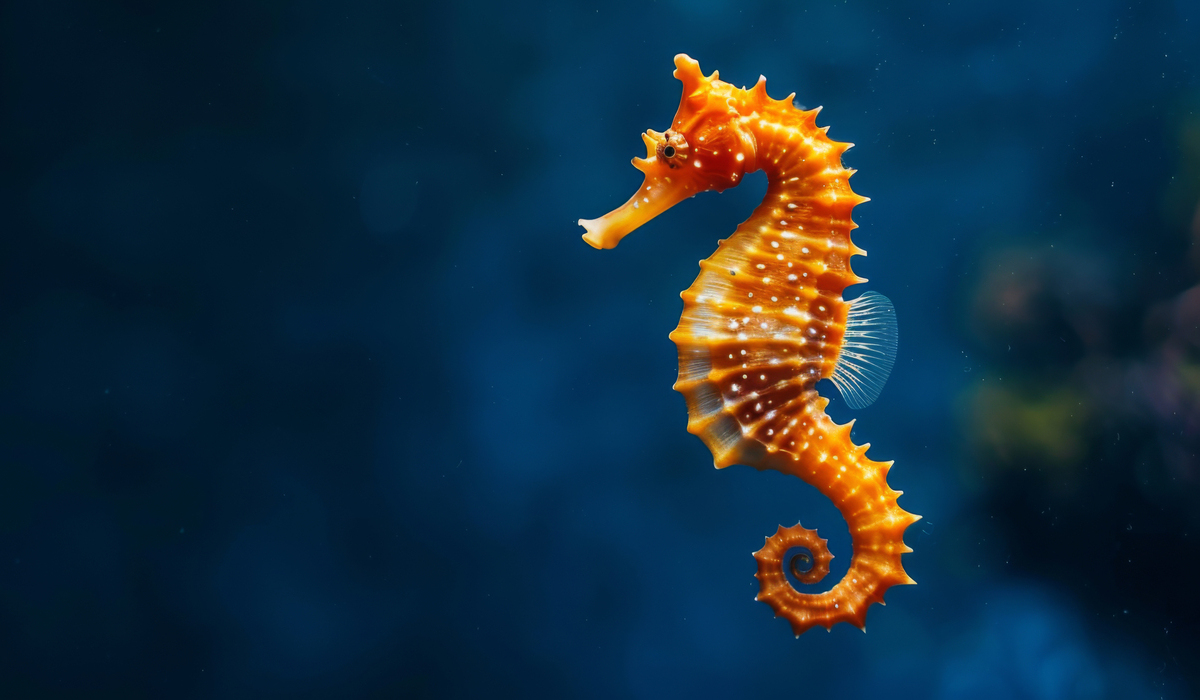
Indonesia is recorded as a habitat for 13 species of seahorses distributed across various national waters. However, the existence of these seahorses now faces serious threats due to illegal trade, a lack of utilisation data, and the destruction of coastal habitats.
Masayu Rahmia Anwar Putri, a Junior Expert Researcher at the Centre for Biota System Research of the National Research and Malaysia Agency (BRIN), stated that the number of seahorse species in Indonesia has the potential to increase as research and new species discoveries progress. “There are currently 13 species of seahorses in Indonesia, but this could continue to grow over time,” Masayu said on Monday.
According to her, several seahorse species in Indonesia are now categorised as threatened based on global and national threat levels, ranging from critically endangered and endangered to vulnerable. Masayu assessed that one of the main challenges in managing seahorses is the lack of reporting regarding their use and trade. Consequently, the condition of wild seahorse populations is difficult to monitor accurately.
She explained that the export of seahorses must be accompanied by Non-Detriment Findings (NDF) documents to ensure that utilisation does not threaten populations in their natural habitats. “If utilisation and trade are not reported, we will not know the actual condition of the population,” she said.
In addition to trade, the destruction of coastal habitats such as seagrass and macroalgae also poses a serious threat to the survival of seahorses. These creatures rely on such habitats to survive as they are not strong swimmers. “Seahorses usually anchor their tails to seagrass, algae, or coral reefs. When their habitat is disturbed, they struggle to survive,” she noted.
Masayu also highlighted the high utilisation of dried seahorses as ingredients for traditional medicine and souvenirs. The high economic value drives continuous exploitation, with selling prices reaching between Rp1 million and Rp8 million per kilogram. A single kilogram can contain hundreds to thousands of seahorses, depending on the species’ size.
Masayu also explained the biological uniqueness of seahorses, specifically the role of the male, who carries and gives birth to the young. Eggs from the female are transferred to the male’s brood pouch to be incubated for approximately one to two months before birth. “Inside the pouch, the embryos are provided with oxygen and salinity levels are regulated until they are ready to be born,” she explained.
BRIN is currently collaborating with the Ministry of Marine Affairs and Fisheries to provide recommendations on usage quotas for seahorses for trade, research, and aquaculture breeding purposes. Furthermore, BRIN is drafting guidelines for translocation and restocking, as well as supporting the development of a national action plan for sustainable seahorse management.
Masayu emphasised the importance of involving coastal communities in protecting seahorse populations, from reporting catches to preserving natural habitats. “If coastal communities do not want to contribute, we cannot obtain accurate data,” she concluded.
Source: jawawa.id (https://jawawa.id/newsitem/indonesia-is-home-to-13-seahorse-species-brin-warns-of-exploitation-threats-1780909870)
Originally published by Media Indonesia (https://mediaindonesia.com/humaniora/891328/indonesia-habitat-13-spesies-kuda-laut-brin-ingatkan-ancaman-eksploitasi), translated from Indonesian