
Indonesia introduces conservation financing task force at COP31
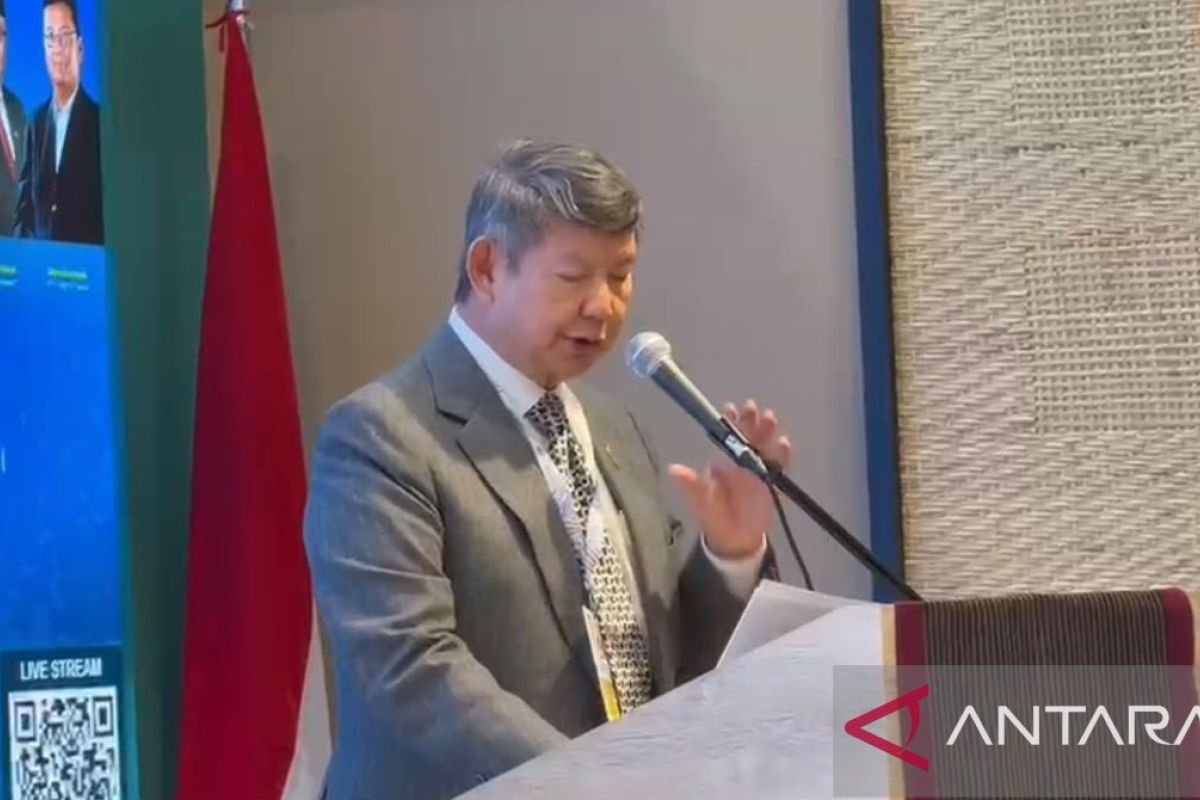
Presidential Special Envoy for Climate Change and Energy Hashim Djojohadikusumo said at the conference on Monday (Nov. 9) that Indonesia recognizes the need to shift conservation financing from a traditional, government-led model to a more innovative approach involving a wider range of stakeholders.
“We must proceed beyond short-term projects, transitioning into a sustainable financing system that connects the government, business players, philanthropists, and the international community,” he stated.
Hashim stressed that Indonesia particularly needs such a model given its rich biodiversity and 57 national parks, which help conserve many of the world’s important species.
He described the country’s natural wealth as a shared heritage of humanity that must be safeguarded for future generations.
To support that goal, he said the government had issued a presidential regulation in 2026 formalizing the establishment of the task force.
“This future-oriented initiative underlines that protecting nature requires more than goodwill; it demands sustainable financing, strong institutions, and collective action,” he said.
He also emphasized the government’s commitment to advancing a nature-based economy that balances economic development with environmental protection and restoration.
The envoy said this commitment is reflected in the Pusangan Elephant Conservation Initiative, which integrates wildlife protection, habitat restoration, and community empowerment.
According to Hashim, the initiative highlights the importance of ensuring that local communities benefit from conservation efforts, creating positive synergies between economic growth and environmental sustainability.
He invited governments, international institutions, investors, philanthropists, and businesses to collaborate in developing innovative and sustainable financing mechanisms for conservation.
Hashim added that the success of conservation financing should be measured not by the amount of funds mobilized but by the extent of habitats and species protected and the benefits communities can reap.
“Our ambition is to shift from individual conservation initiatives to a national platform that can deliver long-term impact,” he remarked.
Related news: Indonesia pushes for fair energy shift and global support at COP31
Related news: Indonesia seeks innovative funding for national park conservation
Translator: Sanya Dinda, Tegar Nurfitra