
Indonesia Initiates Joint Statement on UNIFIL Security Supported by 73 Countries
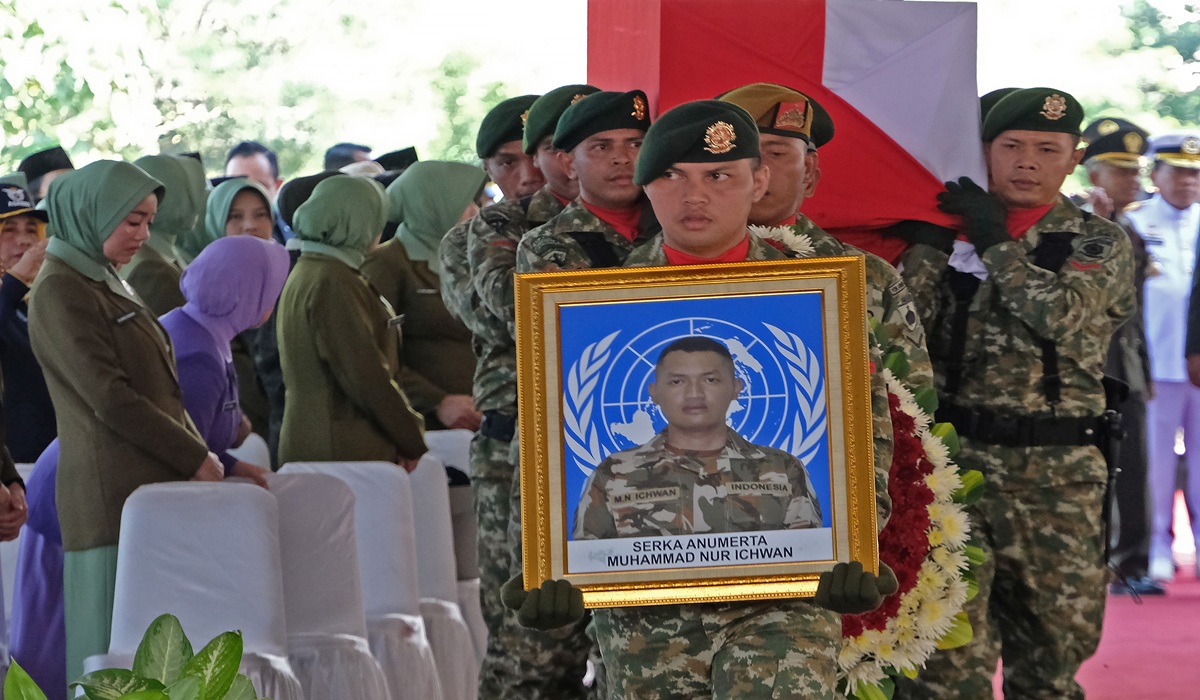
The Indonesian government has taken a progressive diplomatic step on the international stage by initiating a Joint Statement on the Safety and Security of Peacekeepers. This initiative is a firm response to the worsening security situation in Lebanon that threatens the safety of the United Nations Interim Force in Lebanon (UNIFIL) peacekeeping troops.
As of Thursday (9/4) at 16:30 New York time, 73 countries and UN observers have officially expressed support for the joint statement. This broad support reflects global concern over the escalation of conflict that increasingly endangers personnel in the field.
The joint statement was delivered directly by Indonesia’s Deputy Permanent Representative to the UN in New York, Umar Hadi, during a media stakeout session jointly held by Indonesia and France at UN Headquarters. The event was attended by representatives of key countries, including permanent members of the UN Security Council.
This step follows the commitment of Indonesia’s Foreign Minister, Sugiono, who previously emphasised that Indonesia would take concrete actions in response to the series of attacks on peacekeeping forces since the end of March 2026. Those tragic incidents have resulted in the deaths of three Indonesian peacekeeping personnel while on duty.
Through the Ministry of Foreign Affairs, Indonesia has urged the UN Security Council to promptly conduct a comprehensive investigation into all incidents involving peacekeeping forces. UNIFIL contributing countries have also called for an immediate halt to violence, de-escalation of tensions, and urged all parties to return to the negotiating table.
“The safety and security of UN peacekeeping forces cannot be compromised. We urge the UN Security Council to utilise all available instruments to strengthen protection for peacekeeping forces amid the increasingly dangerous situation,” Umar Hadi stated firmly in his official remarks.
This joint statement serves as a collective pressure instrument from the international community. Its primary focus is to ensure that the UN peacekeeping mandate can be carried out without unjustified aggressive actions against personnel or mission leadership in conflict zones.