
Indonesia Imports 150 Million Barrels of Oil from Russia, Secures Special Pricing
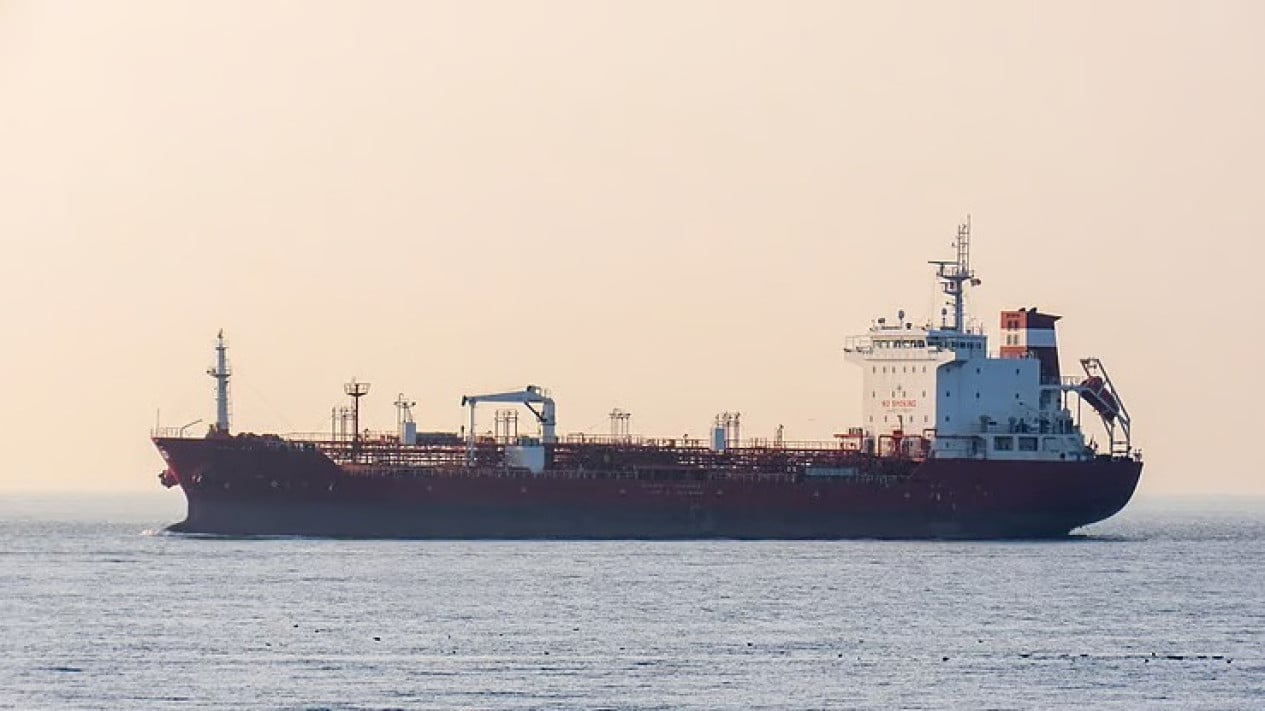
The Indonesian government has obtained a commitment for an oil supply from Russia amounting to 150 million barrels at special prices. This commitment stems from President Prabowo Subianto’s visit to Moscow last week, as a proactive measure to prepare for global geopolitical turbulence by establishing large-scale energy reserves.
Presidential Special Envoy for Energy and Environment Hashim Djojohadikusumo emphasised that this step is not merely a trade transaction but part of a strategy to address potential economic disruptions from the global energy crisis.
“Indonesia now has a commitment from the Russian government; we can store 150 million barrels in Indonesia to face economic turbulence issues,” Hashim stated at the Economic Briefing 2026 event held in Jakarta on Thursday, 23 April 2026.
According to Hashim, the agreement is a direct result of an intensive three-hour meeting between Prabowo and Russian President Vladimir Putin on Monday, 13 April 2026. Initially, Russia agreed to a swift delivery of 100 million barrels of oil at special prices. If needs increase, Russia is prepared to add another 50 million barrels.
“So, he (Prabowo) didn’t go to Moscow for leisure. He went to Moscow, met President Putin for three hours, and secured a commitment from President Putin,” Hashim remarked.
This initiative positions Russia as a key alternative energy supplier for Indonesia amid the global energy crisis sparked by the escalation of conflict between the United States–Israel and Iran.
Previously, the Minister of Energy and Mineral Resources Bahlil Lahadalia stated that crude oil imports from Russia are targeted to enter Indonesia starting in April 2026. For LPG purchases, the process is still in the finalisation stage, including discussions on the import portion relative to total national needs.
This diversification effort, according to Bahlil, is part of the government’s strategy to maintain energy supply reliability amid global geopolitical uncertainties. “So, there must be diversification. Insyaallah, our crude will improve further,” Bahlil said.