
Indonesia Implements WFA for Civil Servants, Performance to Be Evaluated Every 4th
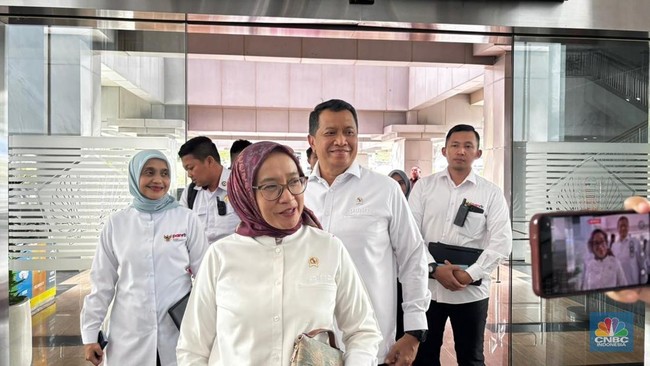
The government has established the adjustment of the national work culture as a strategic step in facing global dynamics, while also promoting more efficient, productive, and digitally-based government governance. This policy is part of the national work culture transformation that includes changes in the work patterns of civil servants (ASN), including the implementation of a flexible work scheme in the form of working from home (WFH) or residence which becomes the domicile location of ASN, one day a week, on Friday. The policy is stipulated in the Circular Letter of the Minister of PANRB Number 3 of 2026 concerning the Implementation of Official Duties for ASN Employees in Government Agencies, which takes effect on 1 April 2026. The Minister of State Apparatus Utilization and Bureaucratic Reform (PANRB), Rini Widyantini, stated that this policy does not change the provisions of working days and hours for ASN, but rather an adjustment in the way of working that remains oriented towards performance achievements. “Work flexibility must still align with the achievement of performance targets. The main focus remains on output and outcome, not on the work location,” she asserted. She also emphasised that this adjustment must not disrupt government administration and the quality of public services. Therefore, agencies are obliged to ensure that essential services remain available and accessible to the public. “Health services, security, cleanliness, population affairs, and emergency services must continue to operate optimally, including ensuring services that are friendly to vulnerable groups,” Rini explained. She added that the implementation of digital technology and information systems is also key in supporting the effectiveness of this policy, including aspects of attendance and performance reporting for ASN. “To ensure its implementation runs optimally, every agency is required to conduct periodic monitoring and evaluation of organisational performance achievements, energy efficiency, and public service quality,” Rini explained. Specifically, the results of this evaluation must be submitted to the Minister of PANRB, and for local governments also to the Minister of Home Affairs, at the latest on the 4th of the following month. In addition, further technical guidelines for ASN in the local government environment will be set by the Minister of Home Affairs to ensure alignment in policy implementation at the central and regional levels. The government also ensures that public complaint channels remain open as a form of public participation in maintaining service quality. “Through this policy, we ensure that the transformation of government governance is not just a concept, but is implemented in real terms in the daily work patterns of ASN,” Rini said.