
Indonesia Has the Highest Child Suicide Rate in ASEAN, IPB Expert Emphasises Emotional Closeness
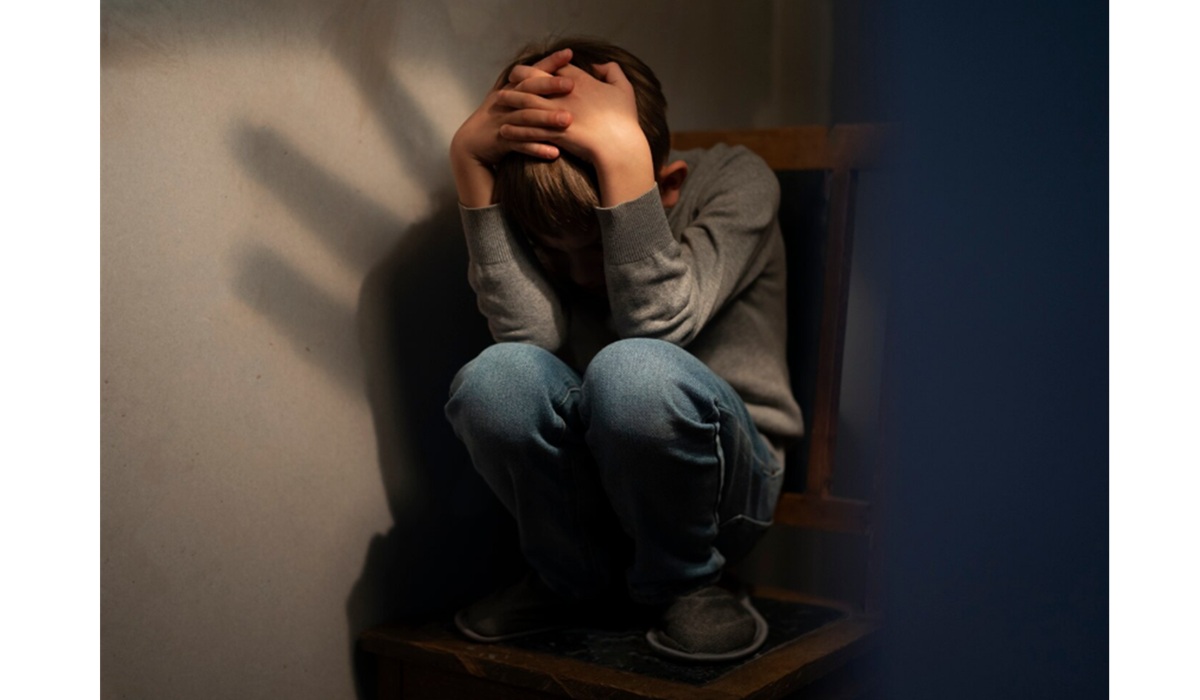
The Indonesian Child Protection Commission (KPAI) has recently released concerning data on the mental health of the younger generation. Indonesia has the highest recorded rate of child suicide cases in Southeast Asia. This finding serves as a stark alarm for all elements of society regarding the psychological condition of children in the country.
In response to this phenomenon, Prof. Dwi Hastuti, an expert in child rearing from IPB University, emphasises the urgency of a more comprehensive data monitoring system. According to her, the government and relevant parties need ongoing surveillance data to continuously monitor trends in suicides and juvenile delinquency.
Prof. Dwi explains that fatal actions such as suicide usually stem from deep despair. Children who feel a loss of hope are often trapped in a cycle of stress, frustration, and severe depression that goes undetected by those closest to them.
The following are some stress triggers in children that parents need to be aware of:
One of the main bulwarks of prevention is emotional closeness between children and parents. Prof. Dwi details that this pattern of closeness develops according to the child’s age. During the preschool period, the mother’s role is dominant, but as they enter school age through adolescence, the presence and closeness with the father become crucial.
“Such closeness can only be built if there is sufficient interaction from early childhood. With a sense of trust, children will be more open in expressing feelings of sadness or difficulties they experience,” she explains.
She also highlights the negative impact of social media, which often displays superficial lifestyles. Without supervision, children tend to compare their lives with what they see online, leading to decreased self-confidence.
Preventing suicide cannot be solely burdened on the family. Schools, through teachers and peers, have a vital role in detecting deviant behaviour. Prof. Dwi suggests that any findings of problems in children should be communicated wisely to parents without shaming the child.
In the educational environment, values of mutual cooperation and a culture of mutual respect must be strengthened so that students feel supported when facing problems. “Raising children requires environmental support. Collective concern from the entire societal ecosystem is needed,” she adds.
As a conclusion, Prof. Dwi provides several practical recommendations for parents to build resilient character in children:
Through these steps, it is hoped that Indonesian children will have stronger mental resilience and feel they have a place to lean on when facing life’s pressures.
Source: jawawa.id (https://jawawa.id/newsitem/indonesia-has-the-highest-child-suicide-rate-in-asean-ipb-expert-emphasises-emotional-closeness-1775710261)
Originally published by Media Indonesia (https://mediaindonesia.com/humaniora/877703/kasus-bunuh-diri-anak-indonesia-tertinggi-di-asean-pakar-ipb-tekankan-kedekatan-emosional), translated from Indonesian