
Indonesia free from forced labour practices: minister
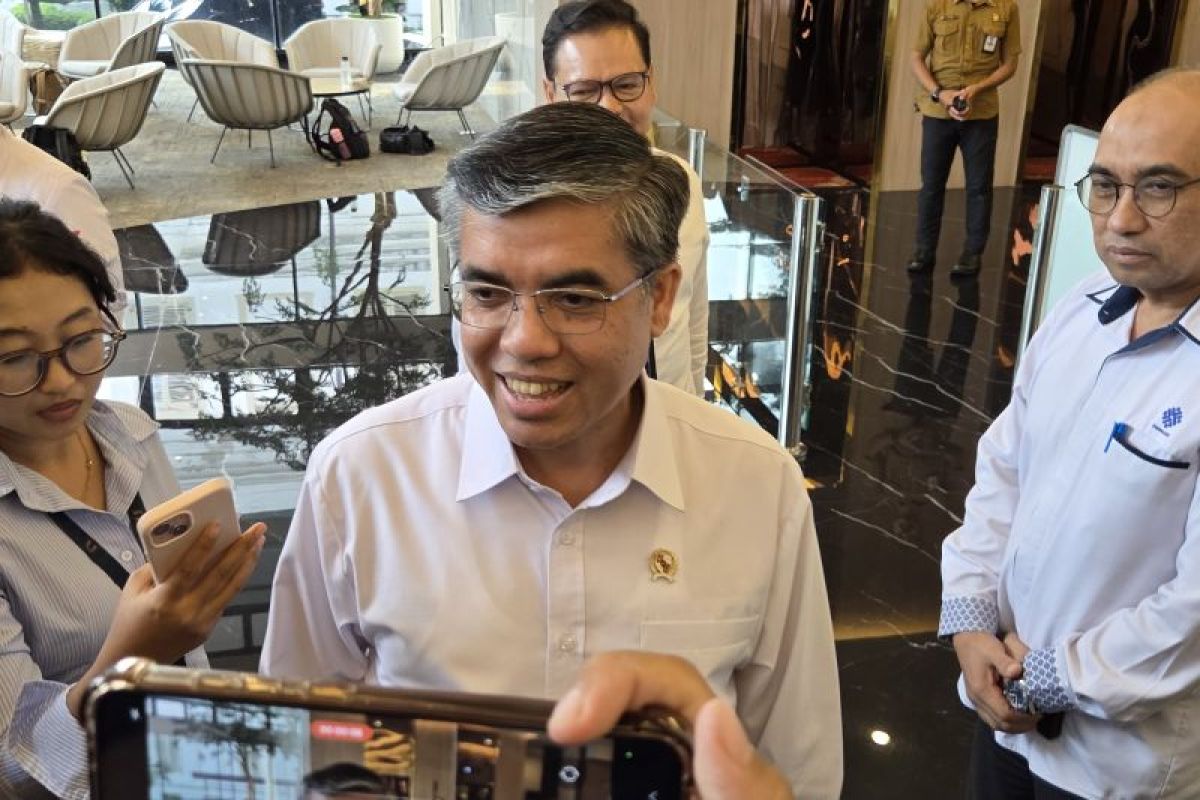
According to him, on Monday, the government is now drafting an official response to such concerns, emphasizing that Indonesia never tolerates forced labor in its production system.
The response document is currently being finalized before being submitted to the Coordinating Ministry for Economic Affairs.
Yassierli explained that the focus of the US investigations is on the extent to which Indonesia’s policy prevents the importation of goods made with forced labor.
The government continues to monitor developments on this issue, he added.
In addition to labor issues, the US Trade Representative (USTR) initiated Section 301 investigations targeting structural excess capacity.
Responding to this issue, Trade Minister Budi Santoso said that the government is preparing a submission comment, which will be submitted no later than April 15 to the USTR.
“Everything has been prepared. I think, in general, there are no problems, and we have made defenses, including the fact that Indonesia does not have policies that create structural excess capacity,” Budi noted.
The government will argue that Indonesia’s trade surplus with the US is due to differences in economic structure and high demand in the US market, not due to policies that create excess capacity, he explained.
He added that most of the commodities being investigated are products that already have surpluses.
Indonesian manufacturing production is also said to be market-driven, thus avoiding trade distortions.
The government has also prepared further steps following the submission of the documents, including public hearings and consultations with US authorities.
The US administration, on March 11, launched trade investigations into what it sees as unfair practices by Indonesia, China, Japan, and over a dozen other countries.
US Trade Representative Jamieson Greer said the probes, carried out under Section 301 of the Trade Act of 1974, are aimed at uncovering “a variety of unfair trading practices related to excess capacity and production in manufacturing.”
The probe was considered a step to replace the US administration’s sweeping tariff regime, which was invalidated by the Supreme Court in February.
Related news: Indonesia launches national vocational training for 10,000 workers
Related news: Moratorium on seafarer recruitment short-term answer: ministry
Related news: Indonesia takes steps to anticipate USTR probe on trade practices
Translator: Bayu Saputra, Yashinta Difa