
Indonesia Eyes Waste-to-Energy Boom With Hundreds of Projects Still Untapped
Indonesia Eyes Waste-to-Energy Boom With Hundreds of Projects Still Untapped
Jakarta. The waste-to-energy industry offers enormous room for expansion in Indonesia, with projects operating in only about 70 municipalities while nearly 480 cities and regencies remain untapped, Environment Minister Jumhur Hidayat said on Tuesday.
The government is seeking to accelerate investment in the sector as part of its broader strategy to improve waste management, expand renewable energy sources, and create green jobs.
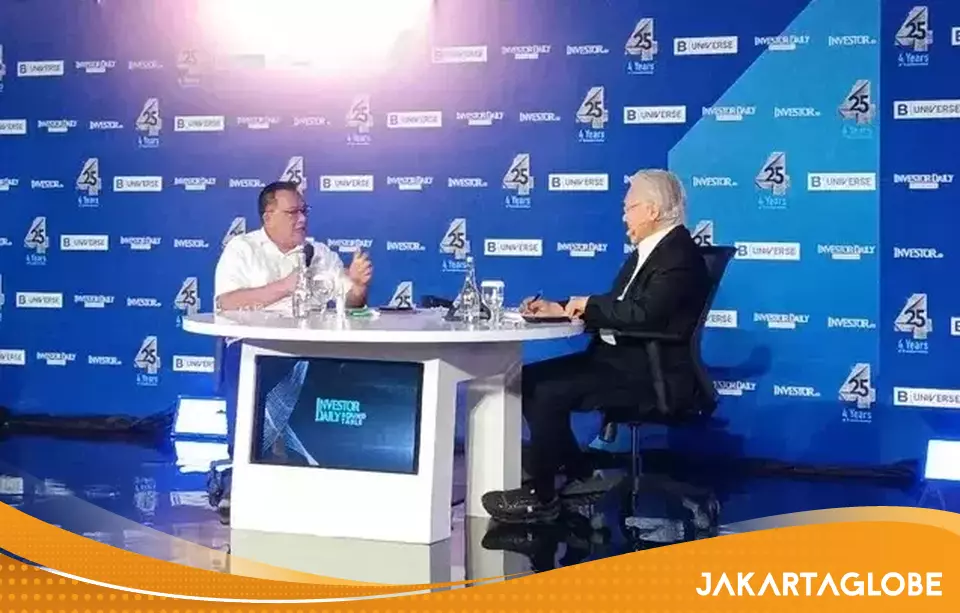
Speaking at the Investor Daily Roundtable in Jakarta, Jumhur said Indonesia’s sovereign investment fund, Danantara, has allocated more than $5 billion to support waste-to-energy projects and plans to invite foreign investors through competitive tenders, beginning with nine major cities facing severe waste management challenges.
“Waste can be converted into many forms of energy, including refuse-derived fuel, diesel fuel, biomass, or pellets that can be co-fired at power plants,” Jumhur said. “All of these are energy products.”
The discussion, hosted by former trade minister Enggartiasto Lukita, was held under the theme “Green is the New Growth” at the Indonesia Stock Exchange.
Jumhur said the Environment Ministry has been coordinating with state electricity company PLN and industrial users to develop markets for energy products derived from waste.
“We have been in discussions with PLN and industrial companies,” he said. “They have told us they are ready to purchase these products as long as they meet the required quality standards.”
Indonesia has already begun experimenting with some waste-derived fuels. About seven years ago, PLN started using pellets produced from recycled waste as a supplementary fuel at coal-fired power plants in Bali and Lombok.
According to Jumhur, demand for waste-derived energy products is expected to grow steadily, creating new investment opportunities while supporting cleaner cities and generating employment in the green economy.
“The business potential remains enormous because hundreds of cities and regencies have yet to develop projects of this kind,” he said.
He added that constructing a waste-to-electricity facility typically takes between 18 months and two years. However, other waste-processing technologies – including the production of refuse-derived fuel, biomass, and recycled fuel pellets – can be deployed immediately without waiting for power plants to be completed.
“There are many initiatives that can begin today,” Jumhur said. “We don’t have to wait until waste-to-electricity plants are fully operational.”
Tags: Keywords: