
Indonesia Eyes the Global Herbal Stage Through Research-Based Phytopharmaceuticals
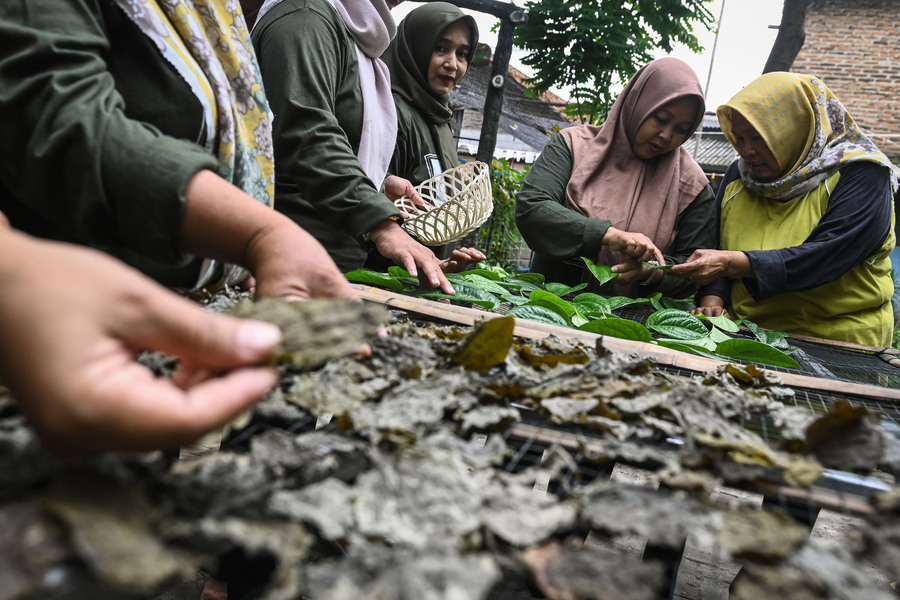
Indonesia is strengthening its position in the global herbal medicine industry by promoting the development of modern natural medicines based on scientific research. With the second-largest biodiversity in the world after Brazil, Indonesia is seen to have a major opportunity to follow in the footsteps of China with Traditional Chinese Medicine (TCM) and India through Ayurveda, which have already become global powers in the herbal medicine sector.
The global herbal medicine market is projected to continue growing, reaching up to US$600 billion by 2030. Amid this trend, Indonesia is no longer seen as only a supplier of raw materials but also as a producer of modern natural medicines with international standards.
Raymond R. Tjandrawinata, Business Development and Scientific Affairs Director at PT Dexa Medica and an Honorary Professor of Biotechnology at Atma Jaya Catholic University of Indonesia, says that the success of China and India is not only based on abundant natural resources but also on the ability to build a health system integrated with herbal-based medicine.
“Indonesia has the second-largest biodiversity in the world. The next step is to build a health system that integrates biodiversity-based medicines into formal health services, as China and India have proven,” he said in a press release received in Jakarta on Wednesday (20/5).
He explained that China has made TCM a part of the national hospital system, which then evolved into globally competitive herbal products. Meanwhile, India has built an Ayurveda ecosystem through strengthened research and integrated health facilities.
Indonesia is believed to have no less significant capital. There are more than 30,000 medicinal plant species potentially developed into modern evidence-based health products.
Through the Dexa Group, development is conducted via Dexa Laboratories of Biomolecular Sciences (DLBS), which for more than two decades has been developing the concept of Integrative Modern Natural Medicines (OMAI) based on evidence-based medicine. The process includes natural material research, standardisation, and clinical trials to ensure product safety and efficacy.
According to Raymond, a number of Indonesian phytopharmaceutical products have already entered international markets such as the Philippines and Cambodia.
“We have already exported Indonesian phytopharmaca to several countries, such as the Philippines and Cambodia. Medical professionals there use and recommend Indonesian products because their standards, efficacy, and safety are already proven,” he said.
He added that the development of OMAI is no longer only focused on prophylactic and preventive therapy, but is also expanding into curative therapies based on science, ranging from natural-immunomodulators, herbal therapies for polycystic ovarian syndrome (PCOS), to supportive therapies for stroke recovery.
In his view, strengthening phytopharmaca is not only part of efforts to strengthen national health independence but also opens up Indonesia’s greater role in the global pharmaceutical industry.
“China is known for TCM, India for Ayurveda. It is hoped that the world will know Indonesia for its ability to turn biodiversity into modern medicines that are globally accepted,” he concluded. (E-4)