
Indonesia Eyes Market and Investment Gains, Welcomes BRICS Economic Strategy 2030
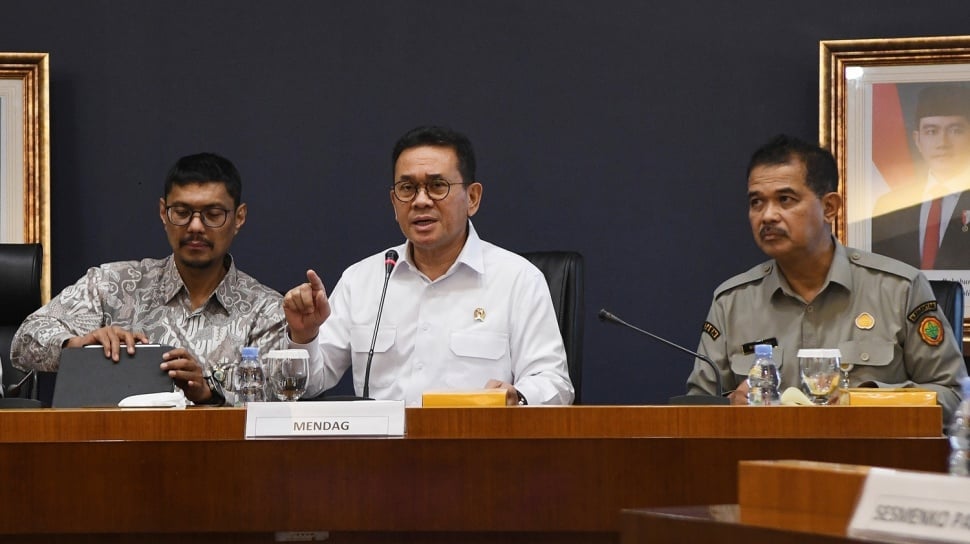
Indonesia is targeting greater trade and investment opportunities from cooperation among BRICS nations after the bloc’s trade ministers affirmed their commitment to finalising the Strategy for BRICS Economic Partnership 2030. The strategy will serve as a reference for directing various sectoral strategies, work programmes, and roadmaps for BRICS economic cooperation up to 2030.
Trade Minister Budi Santoso stated that the formulation of the strategy is an important step to make the BRICS economic partnership more responsive to global trade dynamics. “Indonesia welcomes the completion of the Strategy for BRICS Economic Partnership 2030. This strategy is expected to become a guideline for strengthening increasingly close BRICS economic partnerships while opening up more trade, investment, and inclusive development opportunities for all member countries,” Budi told reporters on Sunday (9/8/2026).
The commitment emerged amid discussions among BRICS trade ministers regarding the strengthening of the multilateral trading system. Indonesia is pushing for the strengthening of a rules-based trading system through the WTO, alongside economic cooperation that benefits developing countries. “Indonesia emphasises the importance of maintaining a rules-based multilateral trading system through a strong, inclusive, and adaptive WTO in the face of global challenges. At the same time, BRICS needs to continue delivering concrete cooperation that provides direct benefits for the economic growth of developing countries,” Budi explained.
During the meeting, the BRICS nations agreed on most of the discussion substance. However, the members have not yet reached an agreement on a joint statement. One of the economic agendas discussed was strengthening the internationalisation of micro, small, and medium enterprises (MSMEs). This effort is pursued through improving access to trade financing, including guiding principles on credit assessment and the Jaipur Consensus to review the BRICS invoice discounting mechanism.
BRICS cooperation is also directed at strengthening global value chains. Member countries discussed the Workplan on BRICS Shared Understanding on Global Value Chains, which covers the digitalisation of trade documents, improving connectivity, strengthening special economic zones, and enhancing industrial capacity. These steps aim to build global value chains that are more resilient, efficient, inclusive, and sustainable.
Beyond trade in goods, BRICS is also promoting cross-border digital services trade. The BRICS Principles to Facilitate Digitally Delivered Services Across Borders initiative is directed at expanding intra-BRICS trade, improving digital skills, and strengthening the digital economy in developing countries. “Indonesia fully supports the various concrete BRICS initiatives that strengthen trade, from facilitating MSME access to financing, building more resilient supply chains, to driving digital transformation. This is important to create more inclusive and sustainable economic growth,” Budi stated.
Meanwhile, India’s Minister of Commerce and Industry Piyush Goyal noted that BRICS member countries have shown progress in strengthening trade and economic cooperation during India’s one-year chairmanship. Piyush expressed hope that the cooperation would continue when China assumes the BRICS chairmanship in 2027. “I am very confident that when China takes over the BRICS chairmanship in 2027, we will continue to move forward together, strengthen cooperation, and jointly realise greater prosperity for all BRICS member countries,” Piyush concluded.
Source: jawawa.id (https://jawawa.id/newsitem/indonesia-eyes-market-and-investment-gains-welcomes-brics-economic-strategy-2030-1786283424)
Originally published by suara.com (https://www.suara.com/bisnis/2026/08/09/125353/pasar-dan-investasi-jadi-bidikan-indonesia-sambut-strategi-ekonomi-brics-2030), translated from Indonesian