
Indonesia Enters Second Year Without Rice Imports, Amran Says National Stocks Are Secure
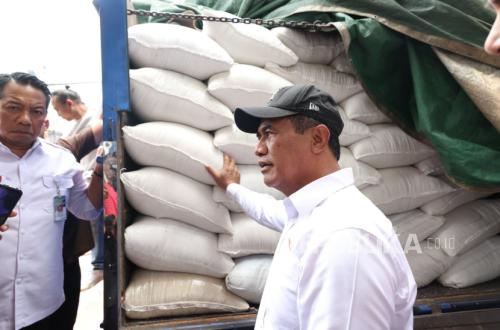
JAKARTA — Agriculture Minister Andi Amran Sulaiman said Indonesia had entered its second consecutive year without rice imports, despite global food and energy crises and geopolitical pressures.
“Thank God, at a time when the global food situation is far from reassuring, Indonesia has entered its second year without importing rice,” Amran said at a press conference in Jakarta on Sunday (8 November 2026).
He said the government, through the Ministry of Agriculture, continued to strengthen national food security through cross-sector coordination, including on public holidays. Ensuring sufficient food for the country’s 286 million people was a top priority, he said.
“We hold meetings on Sundays, even at dawn. There are no public holidays for the Ministry of Agriculture when it comes to safeguarding our food supply,” he said.
Amran said he had just returned from Beijing, where he met China’s agriculture minister to discuss potential cooperation to strengthen the food sector amid continuing global uncertainty.
“We have just returned from Beijing, where we met the agriculture minister and held lengthy discussions. We will work together in the future to strengthen food security, because the world is facing food and energy crises,” he said.
He said the global food situation remained under pressure from food and energy crises, as well as rising geopolitical tensions disrupting logistics and commodity trade in various countries.
China currently imports around six million tonnes of food, he said, while dozens of countries are opting to retain domestic stocks as a precaution against uncertainty in global supplies.
Amran added that at least 33 countries had adopted policies to secure national food stocks, tightening international distribution and necessitating precautionary measures to safeguard domestic availability.
In response, the government is consolidating efforts to boost production, manage reserves and secure distribution so that food supplies remain sustainably available to the public.
“Reports say that 33 countries are holding back food and building stocks amid escalating geopolitical tensions, which are making distribution and transport difficult. We are safeguarding our supplies and consolidating our efforts,” he said.
Amran stressed that Indonesia had entered its second year without rice imports under President Prabowo Subianto, while national rice stocks remained adequate to meet public needs.
“Once again, this is the second year without rice imports under President Prabowo. We are grateful that our rice stocks are secure,” he added.
Indonesia has strong resources to withstand global uncertainty. At the end of October 2026, government rice reserves managed by the state logistics company Perum Bulog stood at around 4.5 million tonnes.
There was also an estimated 10 million tonnes of rice from standing crops ready for harvest, as well as around 10 million tonnes of stocks in the hotel, restaurant and catering (horeca) sector.
National rice availability is estimated at around 25 million tonnes, while domestic demand is approximately 2.5 million tonnes a month. Indonesia has also achieved self-sufficiency without imports in eight commodities: rice, maize, large chillies, bird’s-eye chillies, sugar for consumption, chicken meat, eggs and shallots.
Source: jawawa.id (https://jawawa.id/newsitem/indonesia-enters-second-year-without-rice-imports-amran-says-national-stocks-are-secure-1794189056)
Originally published by Republika (https://ekonomi.republika.co.id/berita/to7lzk490/indonesia-masuki-tahun-kedua-tanpa-impor-beras-amran-klaim-stok-nasional-aman), translated from Indonesian