
Indonesia Enters Ageing Population Era, Elderly Policies Need Strengthening
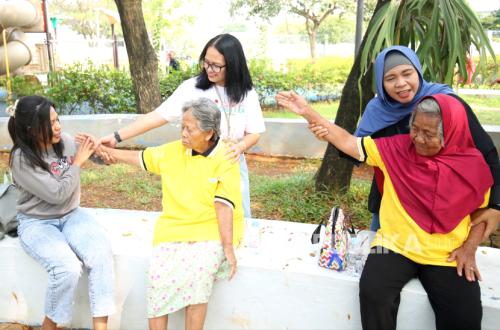
The increasing number of elderly residents is driving the need for a change in approach regarding elderly services, moving from being mere recipients of aid to citizens who retain rights and opportunities for participation. This paradigm shift is one of the key issues being promoted in the discussions regarding the Elderly Welfare Bill.
Results from the 2025 Intercensal Population Survey (SUPAS) show that the proportion of the population aged 60 and above has reached 11.97 per cent. Consequently, Indonesia has entered the ageing population phase.
I Ketut Kariyasa Adnyana, a member of the Indonesian House of Representatives’ Legislative Body (Baleg), stated that the growth in the elderly population must be accompanied by a policy system capable of addressing their needs more comprehensively.
“We need a strong and comprehensive policy system to ensure that the elderly can spend their old age in a healthy, safe, and dignified manner,” Kariyasa said in a statement on Wednesday (30/09/2026).
According to Kariyasa, the discussion of the Elderly Welfare Bill should serve as a momentum to change the perspective towards the elderly group. Services should not only be directed towards social assistance for the underprivileged elderly.
“The elderly are not merely objects that must be assisted, but citizens who possess rights, dignity, potential, and the opportunity to continue participating in social life,” Kariyasa remarked.
Policy changes are deemed increasingly important as the elderly population is projected to continue rising. BPS (Statistics Indonesia) projections show that by 2045, the elderly population could reach approximately 20 per cent of the total population, or one in five Indonesians.
“If the number of elderly people continues to grow, then the state must prepare the system starting now. We must not wait until the elderly population is very large and their service needs have become increasingly complex before building policies,” said Kariyasa.
Kariyasa also highlighted the need to evaluate the classification of ‘potential’ and ‘non-potential’ elderly. In his view, employment status or economic ability cannot be the sole measure in determining the service needs of the elderly.
The condition of every elderly individual can differ. An elderly person who is still working may be in a low-income economic condition, while an unemployed elderly person may remain independent. Socially active elderly individuals may still require specific healthcare or care services.
“The approach to the elderly must look at their needs holistically. We must ensure that no one loses access to services simply because they are categorised based on their ability to work or their economic condition,” Kariyasa added.
Therefore, Kariyasa believes that the increase in the elderly population needs to be anticipated through long-term policies encompassing services, protection, and opportunities for the elderly to remain active in social life.
“We are preparing Indonesia for 2045. If today nearly 35 million of our population is aged 60 and above and that number will continue to increase, then policies for the elderly must be prepared starting now,” concluded Kariyasa.