
Indonesia elected to UNESCO intangible cultural heritage committee
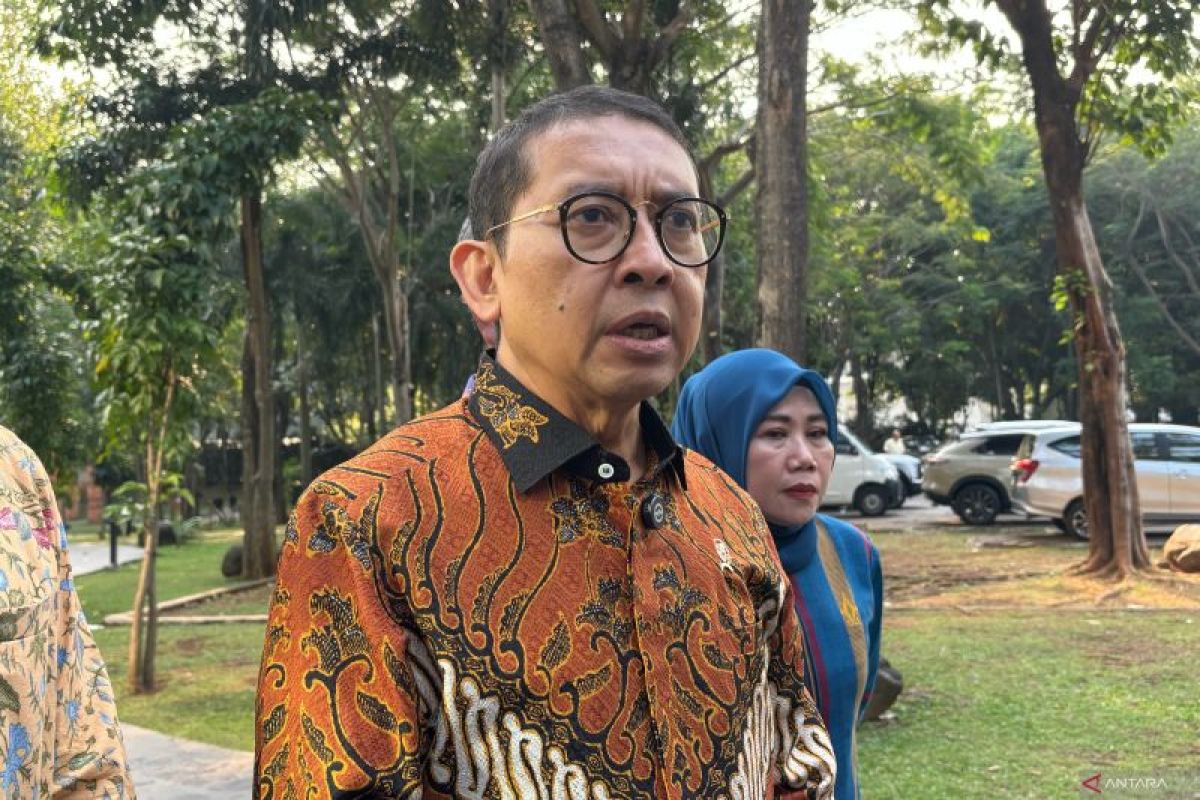
Indonesia has been elected as a member of the UNESCO Intergovernmental Committee for the Safeguarding of the Intangible Cultural Heritage for the 2026–2030 period. Minister of Culture Fadli Zon confirmed on Friday that Indonesia secured 113 votes from UNESCO member states and was elected alongside Japan (117 votes), the Philippines (106 votes), and Cambodia (97 votes) to represent the Asia-Pacific region in Group IV. “Indonesia’s election to the UNESCO Intangible Cultural Heritage Committee for 2026–2030 is both an honour and a great responsibility. After 12 years since our last membership from 2010 to 2014, the international community has once again entrusted Indonesia to contribute to global efforts to safeguard intangible cultural heritage,” the Minister said. He noted that this success demonstrates not only Indonesia’s rich and diverse cultural heritage but also its capacity to contribute to building a more inclusive, sustainable, and community-centred future for global cultural governance. The Minister outlined eight strategic priorities for Indonesia’s membership. First, strengthening the spirit of multilateralism and international cooperation. Second, integrating collaborative platforms that bridge academia, local communities, cultural practitioners, and policymakers in an inclusive and participatory protection model. Third, driving digital innovation, including the development of digital inventories, the use of artificial intelligence for documentation, and ethical data governance. Fourth, reinforcing global cooperation through training, fellowship programmes, joint missions, and interregional knowledge exchange. Fifth, protecting endangered cultural heritage by strengthening the Urgent Safeguarding List mechanism for traditions at risk of extinction. Sixth, improving access to more effective, responsive, and accessible international assistance for state parties. Seventh, empowering civil society and cultural communities by expanding the participation of non-governmental organisations in decision-making processes. Finally, preparing cultural heritage for the future by promoting policies related to digital ethics, artificial intelligence, and cultural resilience in the face of climate change.