
Indonesia Develops Cryptography Technology to Prepare for the Quantum Computing Era
JAKARTA — Advances in quantum computing are increasing the need to strengthen data security and digital transactions in Indonesia. The technology could weaken currently used cryptographic methods, making it necessary to take preventive steps to protect information over the long term.
One approach being prepared is post-quantum cryptography (PQC), a form of cryptography designed to counter potential threats from quantum computers. Its development is part of efforts to strengthen national cyber resilience as the public and businesses become increasingly reliant on digital services.
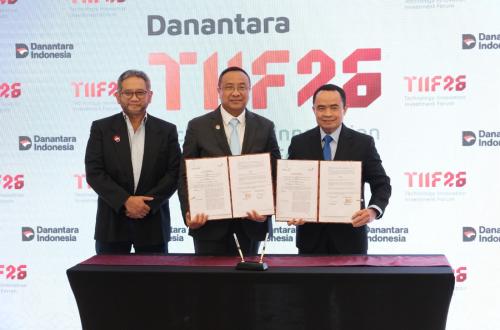
Perusahaan Umum Percetakan Uang Republik Indonesia (Peruri) and PT Telkom Indonesia (Persero) Tbk are exploring cooperation to develop PQC technology through the signing of a memorandum of understanding. The cooperation forms part of the Quantum-Safe Indonesia initiative, which also involves the National Cyber and Crypto Agency (BSSN) and Danantara Indonesia.
The memorandum was signed during the Danantara Technology Innovation Investment Forum (DTIIF) 2026 at the Fairmont Jakarta on Tuesday (27 October 2026). It was signed by Peruri President Director Teguh Arief Indratmoko and Telkom President Director Nanang Hendarno.
Teguh said readiness for advances in quantum computing was an important part of maintaining trust in digital services. He said security needed to be strengthened particularly for services involving digital identities, electronic certificates, digital signatures and electronic documents.
“As part of the national digital trust ecosystem, PERURI sees readiness for the post-quantum era as an important element in strengthening trust in digital services. This collaboration creates scope to combine digital trust, cybersecurity and cryptography capabilities to develop solutions relevant to Indonesia’s needs,” Teguh said in a press release on Wednesday (28 October 2026).
The cooperation covers exploring PQC development, assessing the readiness of security systems and developing potential applications for digital services. The two companies will also build human-resource capabilities to prepare for changes in information security technology.
In carrying out the work, Peruri and Telkom will draw on their respective capabilities, guided by BSSN’s cybersecurity frameworks and standards. Danantara Indonesia will also support coordination and cooperation among institutions in developing the national digital security ecosystem.
Nanang said developments in quantum technology needed to be anticipated early because they concerned the long-term readiness of digital security systems. Organisations, he said, needed to understand the state of the cryptographic technology they use before deciding how to mitigate potential risks.
“Developments in quantum technology should be viewed as a long-term readiness issue for the digital ecosystem. Through collaboration with BSSN and PERURI, and with Danantara’s orchestration support, Telkom wants to help build capabilities that enable organisations to understand their cryptographic assets, assess their level of readiness and prepare mitigation measures in a more structured way. Today’s signing is a strategic foundation, while the technical implementation will continue to be examined with the parties involved,” Nanang said.
Nanang stressed that the memorandum was an initial foundation for cooperation, not the start of full technical implementation. The development and deployment of the technology will be discussed further with the parties involved.
Through the Quantum-Safe Indonesia initiative, cross-institutional cooperation is expected to help prepare digital security systems for advances in quantum computing. This readiness is needed to protect data, ensure reliable transactions and sustain digital services in Indonesia.