
Indonesia Cuts Gas Supplies as Singapore Looks to Nuclear Power for Electricity
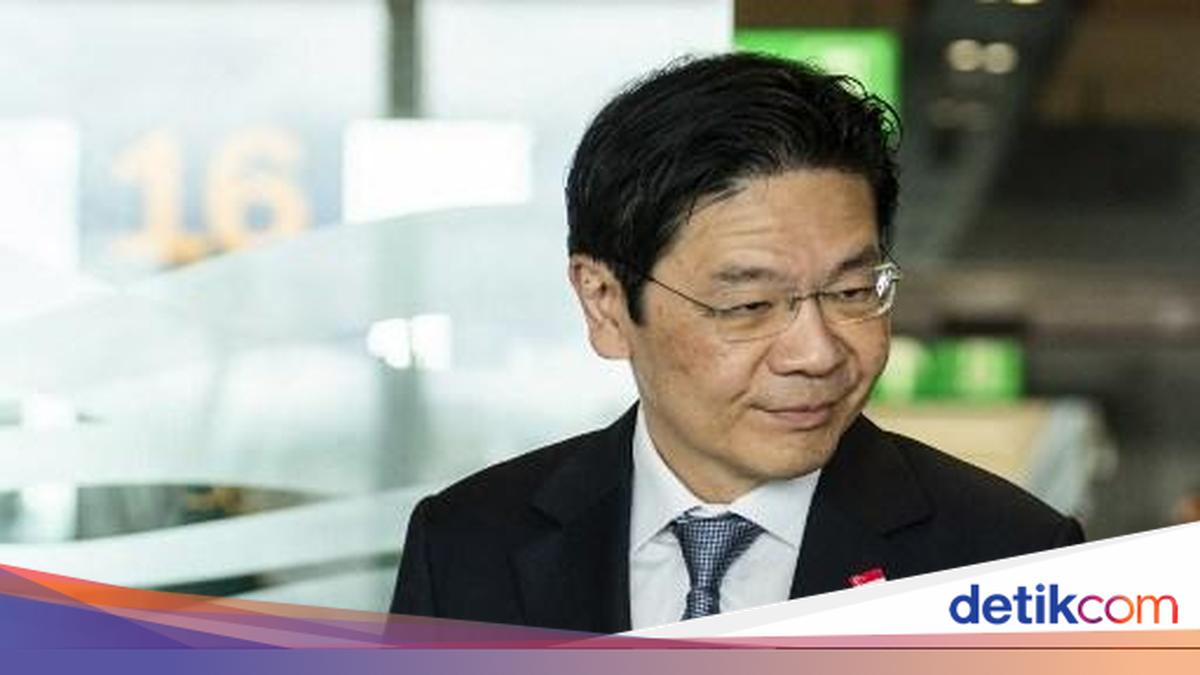
Indonesia has cut natural gas supplies to Singapore. Prime Minister Lawrence Wong said he hoped all parties that had signed commercial contracts for gas supplies would honour their commitments.
According to Channel News Asia on Sunday (25 October 2026), Wong made the remarks following Indonesia’s move to reduce exports. Speaking at the People’s Action Party (PAP) convention, he said Singapore’s gas importers would take the necessary steps to protect their rights and interests.
Indonesia began reducing natural gas exports to Singapore on Saturday. In response to questions from CNA, Indonesia’s upstream oil and gas regulator, SKK Migas, said the move was intended to redirect more supplies towards meeting domestic electricity needs.
Singapore’s Energy Market Authority said the reduction of 31 million standard cubic feet of gas per day accounted for less than 2% of the country’s total daily gas demand. About 95% of Singapore’s electricity is generated using natural gas, most of which the country imports by pipeline from Indonesia.
“Gas supplies are governed by commercial contracts. We expect all parties to fulfil their commitments, and Singapore’s gas importers will take the necessary steps to protect their rights and interests under those contracts,” said Wong, who is also PAP secretary-general.
Wong said Singapore had prepared for the risk of gas cuts from Indonesia. He said the country had invested in liquefied natural gas (LNG) terminals to import gas from a range of countries without relying on pipelines from Indonesia.
Wong also said Singapore needed to look beyond natural gas. The country was considering clean energy sources capable of providing reliable electricity around the clock, including nuclear power.
“It is understandable that there are concerns about the safety of nuclear power in a small and densely populated country like Singapore. We take these concerns very seriously. Safety must come first,” Wong said.
He said those concerns should not lead Singapore to rule out the option of building a nuclear power plant, adding that the issue would be studied carefully.
“But we must not rule out an option simply because it is difficult or controversial. We must carefully assess the risks and consequences, engage the people of Singapore and, ultimately, make the right decisions to secure our energy future,” he said.
From 2027, Singapore will undergo an assessment by the International Atomic Energy Agency (IAEA) to evaluate the country’s ability to make informed decisions on adopting nuclear energy. The IAEA’s Integrated Nuclear Infrastructure Review comprises several stages, with key milestones that must be met.
The process is intended to guide countries in understanding the commitments and obligations involved in developing a nuclear power programme. Wong said addressing current concerns was only part of the government’s task.
“We must also prepare Singapore for the future. That means looking ahead, anticipating problems and acting before they become more difficult to address,” he said.
“Imagine the economy of the future. It will still be driven by ideas and talent, but computing power will become increasingly important, and that will require enormous amounts of energy,” he added.
Wong noted that the world had become more dangerous and troubled, but said Singapore was facing these challenges from a position of strength.
“We remain a trusted partner and an attractive place for businesses and investors,” he said.
He said Singapore was actively strengthening partnerships with other countries. Over the past week, Wong had returned from visits to Qatar and the United Arab Emirates, both energy-rich countries.
“They all see value in working closely with Singapore,” he said.
Wong said Singapore was known as a reliable partner that always honoured its commitments, and that this reputation was an important asset.
“This reputation is a very important asset, especially in today’s fragmented and troubled world. It helps us attract high-quality investment. That investment supports growth, creates jobs and drives income growth,” he said.
Source: jawawa.id (https://jawawa.id/newsitem/indonesia-cuts-gas-supplies-as-singapore-looks-to-nuclear-power-for-electricity-1792918265)
Originally published by detikcom (https://news.detik.com/internasional/d-8723333/pasokan-gas-dipangkas-ri-singapura-kini-lirik-nuklir-untuk-listrik), translated from Indonesian