
Indonesia Cuts Gas Exports to Singapore; Bahlil Says It Is Only 2% of Its Needs
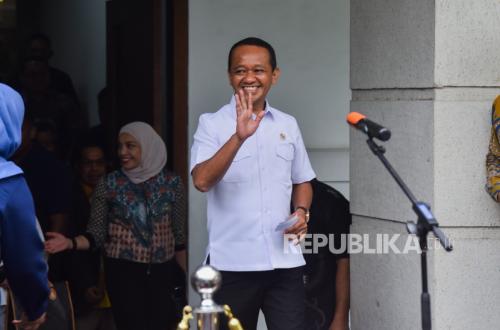
JAKARTA — The Indonesian Government has reduced natural gas supplies to Singapore by 31 million standard cubic feet per day (MMSCFD) to prioritise domestic energy needs. Coordinating Minister for Downstreaming and Energy Transition and Energy and Mineral Resources Minister Bahlil Lahadalia said the cut amounts to only around 2% of Singapore’s total gas consumption.
Bahlil explained that Indonesia has been exporting 409.55 MMSCFD of gas to Singapore through pipelines from Natuna and Sumatra. The Government has cut around 8% of that volume, or 31 MMSCFD.
“What we cut yesterday was 31 MMSCFD. That is only around 8%,” Bahlil said at a press conference in Jakarta on Monday (26 October 2026).
According to Bahlil, the reduction is relatively small compared with Singapore’s overall gas requirements. He said the cut is equivalent to around 2% of the neighbouring country’s gas consumption.
Singapore’s Energy Market Authority (EMA) had earlier reported a reduction in gas supplies from Indonesia of 17 billion British thermal units per day (BBTUD) over 18 days. That is equivalent to less than 2% of Singapore’s daily gas needs, which exceed 1,000 BBTUD.
Meanwhile, SKK Migas chief Djoko Siswanto had previously announced a 31 BBTUD reduction in gas exports to Singapore from Saturday (24 October 2026). The cut comprises 15 BBTUD from Natuna and 16 BBTUD from Sumatra.
Bahlil said the gas export reduction does not breach the energy trade contracts agreed with Singapore. The volume cut remains within the minimum supply limits permitted under the agreement, he said.
“The 31 MMSCFD we have cut is still within the minimum contractual limit,” Bahlil said.
He explained that gas export contracts set a minimum supply threshold of around 91% to 92% of the agreed volume. With a reduction of around 8%, the Government considers Indonesia to be meeting its contractual obligations.
Bahlil said exports were adjusted because of maintenance, or shutdowns, at several production facilities. This has required the Government to reallocate supplies to meet domestic energy needs.
“Because maintenance is taking place, I have to prioritise domestic interests,” Bahlil said.
The Government is prioritising gas supplies for state electricity company PLN’s power plants and domestic industry. Gas is needed to keep power plants operating and to support industrial activities that use it as a feedstock or fuel.
The Government is also considering gas supplies for the development of downstream industries. Reliable energy supplies are considered important for sustaining production and increasing the value added of domestic industry.
Bahlil stressed that Indonesia continues to respect energy trade cooperation with other countries. However, the Government will keep adjusting gas allocations in light of domestic needs and its contractual obligations.