
Indonesia Could Reap Windfall as Global Prices of Rice, Tea, and CPO Surge
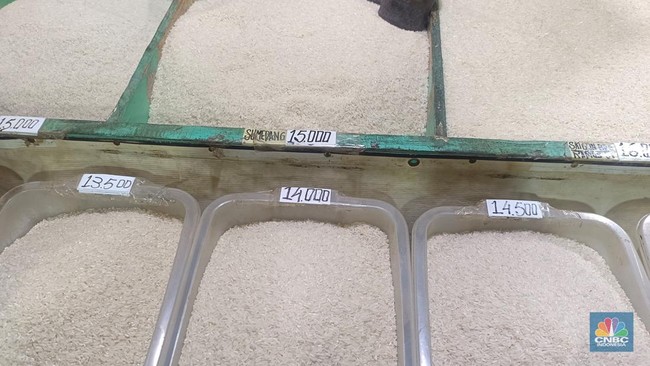
Global agricultural commodity prices closed the first half of 2026 with mixed trends. Amid weather concerns, changing production prospects, and global supply dynamics, several commodities managed to record double-digit rallies since the start of the year. Data from Trading Economics as of 1 July 2026 shows rice was the best-performing agricultural commodity in the first semester, followed by wool, canola, tea, and cotton.
Based on Trading Economics data, rice prices have strengthened 33.61% year-to-date (YTD), the highest among major global agricultural commodities. The next positions were occupied by wool with a 26.09% increase, canola at 24.75%, tea at 24.40%, cotton at 20.54%, rubber at 17.79%, wheat at 15.82%, crude palm oil (CPO) at 12.25%, rapeseed at 11.47%, and sunflower oil at 8.88%.
The rice rally occurred as the global market began to factor in the impact of El Niño on the 2026/2027 planting season. Rice contracts moved towards US$13.3 per hundredweight, the highest level since June 2025, following concerns about production disruptions in several Asian producing countries. The International Grains Council (IGC) maintained its projection for world rice production at 545 million tonnes for the 2026/2027 season. This figure is slightly below the previous season’s record of 546 million tonnes. The IGC also warned that El Niño could potentially suppress productivity in Thailand and several other Asian countries. In India, weaker monsoon rainfall has raised concerns about harvest yields, although government rice stocks remain at a very high level of 68.43 million tonnes as of 1 June 2026.
Outside of rice, wool recorded the second-largest increase during the first half. Wool prices rose 26.09% YTD and surged around 61% compared to the same period last year. The increase indicates sustained strong demand for natural fibres amid limited supply. Kanola followed with a 24.75% gain during the first half of 2026. Although prices corrected in the last month, its year-to-date performance remains one of the best in the oilseed group. This movement reflects the tight global supply balance amid high demand for vegetable oil raw materials and biofuels. Kanola prices were around 735 Canadian dollars per tonne by the end of June.
Tea also recorded an impressive performance with a 24.40% YTD increase. Tea contract prices reached 228 rupees per kilogram at the end of June and are still moving higher compared to last year. The strengthening of tea occurred as several producing regions faced weather challenges affecting plantation productivity, while global consumption remained steady. Cotton completed the top five agricultural commodities with a 20.54% gain since the beginning of the year. Cotton prices were trading around 77.4 US cents per pound. Although it weakened in the past month, its value is still about 13.6% higher than the previous year. Cotton’s movement was largely influenced by expectations of global textile industry demand and production developments in major exporting countries.
Other commodities also booked gains during the first semester, though not as large as the top five. Rubber prices rose 17.79% YTD, wheat 15.82%, CPO 12.25%, rapeseed 11.47%, sunflower oil 8.88%, and soybeans 8.81%. On the other hand, some commodities experienced pressure. Coffee fell 15%, cocoa weakened 16.27%, while potato prices plunged more than 78% since the start of the year. For rubber, the direction of price movement began to change in recent weeks. Rubber contracts fell to near their lowest level since April as production in Thailand, Indonesia, and Vietnam increased following the end of the wintering season. More favourable weather accelerated tapping, thereby boosting supply. Increased synthetic rubber production also added pressure by providing an alternative for the industry.
The first-half performance shows that weather factors remain the main determinant of global agricultural commodity markets. The risk of El Niño kept rice prices high, while changes in production patterns influenced the direction of other commodities. Entering the second half of 2026, market attention will focus on planting season developments in Asia, global weather conditions, and the latest production reports from major supplier countries.