
Indonesia Could Reap Layered Benefits from National Vehicle Production
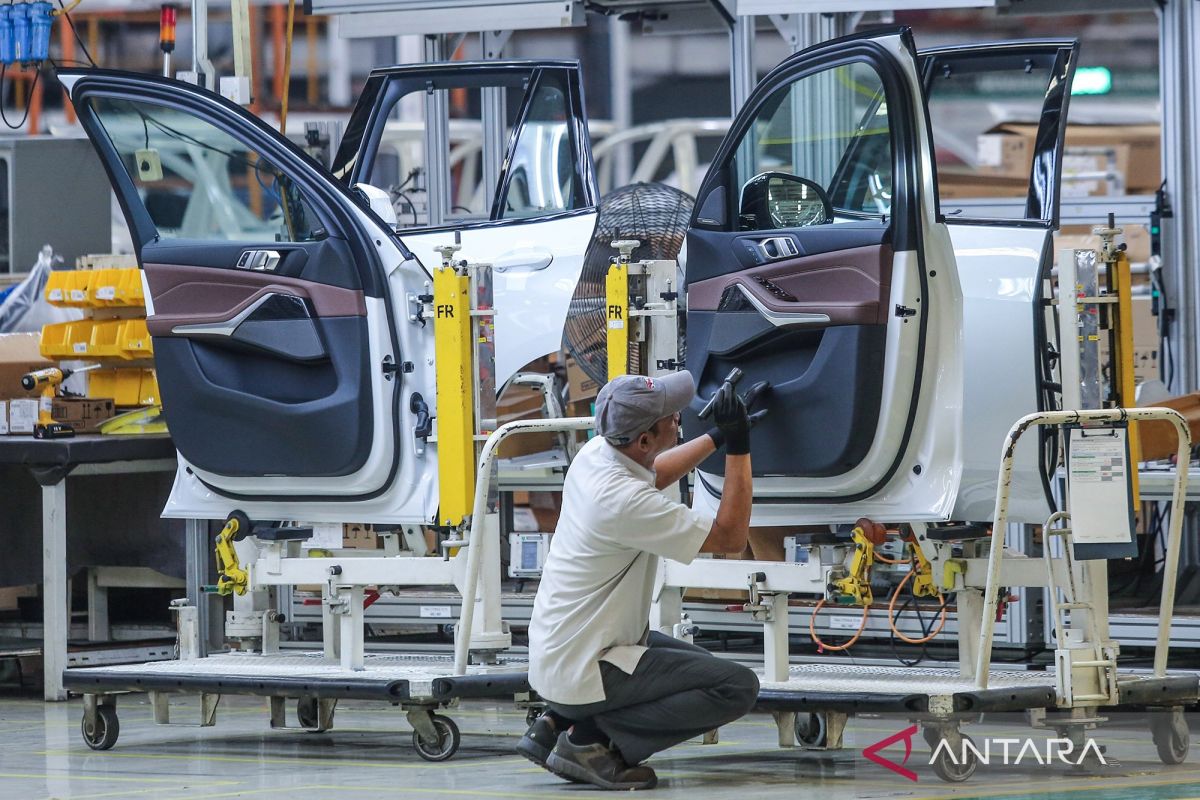
Automotive expert from the Bandung Institute of Technology (ITB) Yannes Martinus Pasaribu believes Indonesia could reap layered benefits if it succeeds in producing national electric cars and motorcycles.
“The benefits are layered and strategic if done correctly. At the macro level, this step strengthens energy sovereignty by cutting fuel imports that have been draining foreign exchange reserves in large amounts every year,” Yannes said when contacted by ANTARA from Jakarta on Friday.
Economically, he said, it could transform nickel reserves from mere export raw materials into a high-value-added battery ecosystem, absorb skilled labour in the manufacturing and components sector, and retain added value that has so far been flowing abroad.
“This is what, if the entire process is carried out correctly and programmed over the mid to long term, has the potential to give Indonesia the opportunity to move up from being merely a market to becoming a player in the global value chain,” he added.
“But all of this is conditional on one thing: the local content must penetrate into core components, not stop at the frame and body, and then stop at merely selling goods whose imported components remain high,” he said again.
Previously, President Prabowo Subianto said he would accelerate the electrification of public mobility in his delivery of the Government’s Introduction/Statement on the Bill on the 2027 State Budget along with the Financial Note in Jakarta on Friday.
In addition, he also announced that he would provide incentives for one million electric motorcycles produced domestically by Indonesian entrepreneurs.
“This policy has three objectives at once: lowering vehicle costs for the people, reducing imported fuel consumption, and growing the national electric motorcycle industry along with its supply chain of batteries, components, software, and after-sales services. This incentive is an investment to make the Indonesian people the first market for the works of Indonesia’s own children,” he said again.
According to him, the presence of Indonesian-made electric motorcycles on the roads represents three victories at once: savings for families, reduced energy imports, and jobs for the nation’s children.