
Indonesia Could Have Nuclear Power in Just Three Years, Here's the Evidence
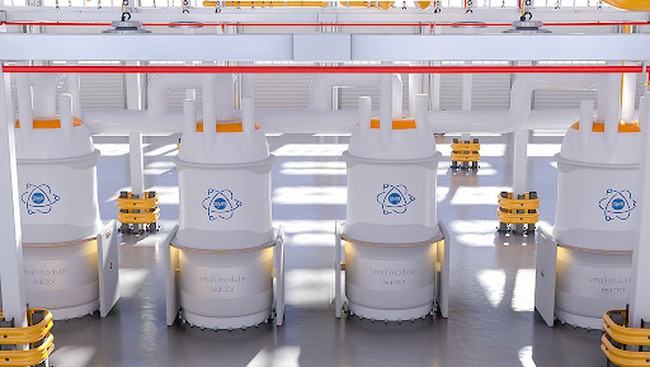
The development of nuclear energy in Indonesia is considered to be achievable much faster than previously imagined, driven by the emergence of small reactor technology such as Small Modular Reactors (SMRs) being developed globally. Nuclear Stakeholder Engagement Consultant Kelle Barfield cited the Darlington Nuclear Generating Station project in Canada, which uses BWRX-300 technology and is currently under construction. “They are targeting operation within about three years,” she said during a discussion titled Powering the Future: American Leadership in Clean Nuclear Energy, quoted on Wednesday (24/6/2026). Barfield noted that this achievement demonstrates that building small-scale nuclear reactors can be far quicker than constructing large plants with capacities of 1,000-1,500 megawatts (MW). “It is much faster than building a large reactor,” she added. In the context of Indonesia, an archipelago of thousands of islands, Barfield believes SMRs could be a vital solution for strengthening national energy resilience. The compact nature of the technology allows it to be placed in remote areas or locations with high electricity demand, such as industrial zones or mining sites. “This helps because electricity must not only be produced but also transmitted to the areas that need it,” she explained, highlighting the challenges of the electrical system in an archipelagic nation like Indonesia. She also touched on the importance of international cooperation, including within a reciprocal trade framework with the United States. Such cooperation could accelerate the process because the reactor designs used have already undergone licensing in their country of origin, thereby reducing technical barriers in the early stages. Furthermore, Barfield stressed that the nuclear industry supply chain is far broader than just reactor design. Connections with vendors, technology, and safety standards open significant opportunities for Indonesia to speed up the adoption of nuclear technology. Regarding investment opportunities, she suggested that the involvement of companies like ThorCon could serve as an initial model, which might then be replicated by other US nuclear industry players. “If one partnership succeeds, it can be replicated by other companies,” she said. On human resource capacity, Barfield underscored the importance of education and training. Student exchange programmes and technical training are already underway through various university collaborations, including with Texas A&M University, which actively sends students and engages in cross-border research partnerships. She also mentioned that technical support from the United States is available through the FIRST programme, or Foundational Infrastructure for Responsible Use of SMR Technology, which assists with technology selection, site selection, and basic infrastructure development. With ongoing projects serving as examples and growing international support, the opportunity for Indonesia to develop small-scale nuclear power plants is increasingly open, with the potential for relatively rapid implementation within just a few years.