
Indonesia Continues to Strengthen Market for Sustainable Forest Products in the US
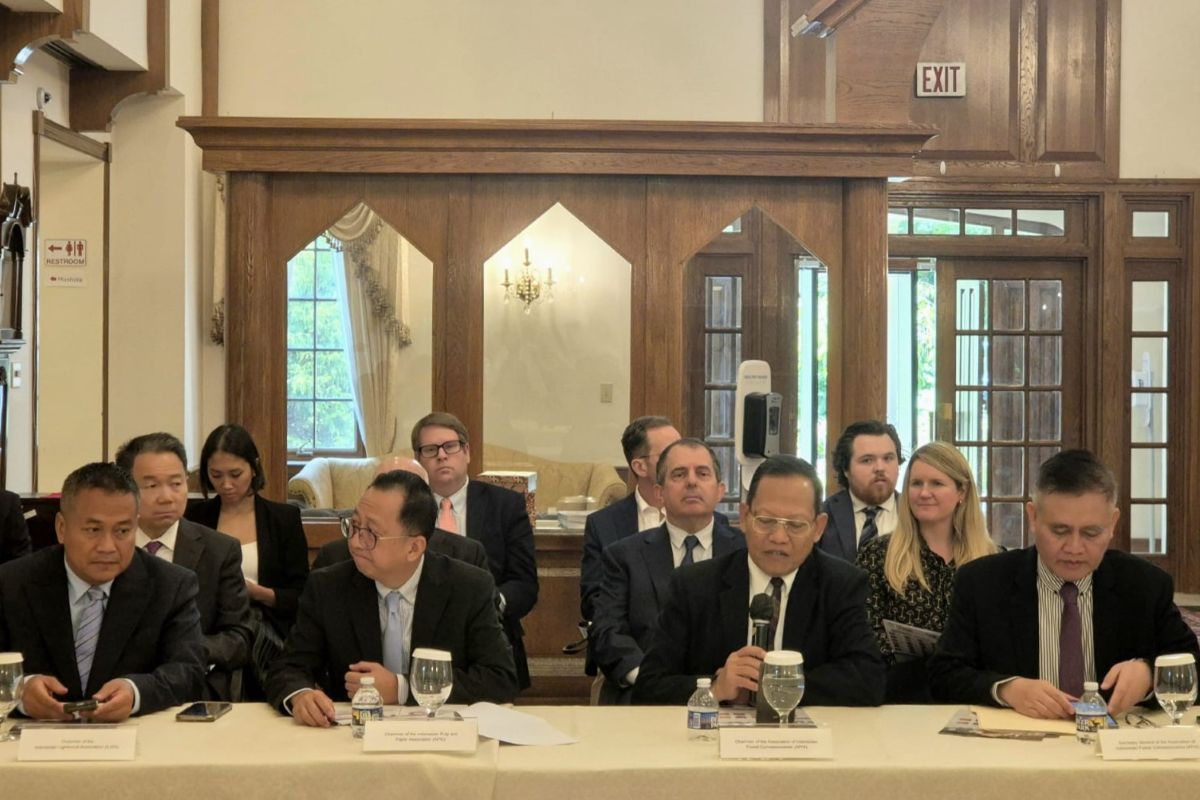
The Indonesian Ministry of Forestry, together with the Indonesian Embassy in Washington DC, held an international webinar entitled ‘Navigating U.S. Market Access for Indonesian Forest Products: Trade, Legality, and Sustainability’ to strengthen market access for Indonesian forest products in the United States. The forum, held on Thursday (14/5), was also part of an effort to strengthen trade in legal, transparent, and sustainable forest products amid increasing global demands for sustainability and supply chain traceability.
Minister of Forestry, Raja Juli Antoni, said that trade relations between Indonesia and the United States have lasted for more than three decades and are built on a foundation of trust and commitment to sustainable forest management. According to him, Indonesia hopes that global trade policies will increasingly provide incentives for legal and sustainable wood products.
‘Indonesian wood products entering the United States have been certified, are traceable, and their legality has been verified through the SVLK+ system,’ said Raja Juli Antoni.
He explained that more than 70% of Indonesia’s plywood exports to the United States have Forest Stewardship Council (FSC) or Sistem Verifikasi Legalitas dan Kelestarian (SVLK+) certification. In addition, the government is also encouraging diversification of Indonesian forest products so that they are not only dependent on plywood and Dipterocarp wood. Indonesia is considered to have great potential from various types of wood to support the construction, furniture, and recreational vehicle (RV) industries in the United States.
The Indonesian Ambassador to the United States, Dwisuryo Indroyono Soesilo, said that Indonesia continues to strengthen its position as a supplier of legal and sustainable forest products.
‘Indonesia is the first country in the world to implement a mandatory national timber legality system through SVLK+,’ said Indroyono.
Meanwhile, the Director General of Sustainable Forest Management at the Ministry of Forestry, Laksmi Wijayanti, said that SVLK+ continues to be developed in line with the dynamics of global regulations such as the U.S. Lacey Act and the European Union Deforestation Regulation (EUDR).
According to her, the system integrates aspects of legality, sustainability, traceability, and independent verification to support the transparency of the Indonesian forest product supply chain.
The Chairman of APHI, Soewarso, said that the United States is still one of the main strategic partners for Indonesian forest product exports. The value of Indonesian processed wood product exports to the United States in 2025 is estimated at around US$1.94 billion, or about 15% of Indonesia’s total global processed wood product exports.
‘Changes in the global trade landscape present challenges as well as opportunities for the forest products industry,’ said Soewarso.
He added that open dialogue between the government, business actors, and trading partners is considered important to maintain fair and sustainable trade relations.
The forum also featured speakers from the Indonesian and American governments and industry associations, including Chief Executive Officer of the International Wood Products Association, Ashley Amidon, and consultant for the Recreation Vehicle Industry Association, Mattie Amagai. (E-3)
The United Nations Environment Programme (UNEP) and the Indonesian government strengthened cooperation in the fields of forestry and climate change through a bilateral meeting.
Minister of Forestry Raja Juli Antoni held a bilateral meeting with the Minister of Forest Economy of the Republic of the Congo, Rosalie Matondo, at the United Nations Headquarters.
Minister of Forestry Raja Juli Antoni visited the Bronx Zoo, United States, and signed a Joint Statement with the Wildlife Conservation Society to strengthen the partnership.
The Food and Agriculture Organization (FAO) named Indonesia as the most strategic partner in the global forestry sector.
The Indonesian Minister of Forestry, Raja Juli Antoni, stated at the UNFF21 session in New York that global geopolitical conflicts should not hinder collective action in addressing the climate crisis.
The National Forestry Council (DKN) held a national webinar entitled ‘Strengthening Multi-Party Collaboration in the Green Economy to Support Indonesia’s FOLU Net Sink 2030 Target’.
The national forestry industry is considered to be entering a transition phase that requires the renewal of business models and the strengthening of science-based collaboration.
Indonesia continues to strengthen the competitiveness of forest products in international markets through the harmonization of policies and the implementation of globally standardized certifications.
The Indonesian forestry industry is now facing a serious threat. The sector, which used to be a mainstay of the economy, is now considered to be in the sunset industry category.
Copyright @ 2026 Media Group - mediaindonesia. All Rights Reserved