
Indonesia Continues Lobbying US for More Competitive Section 301 Tariffs
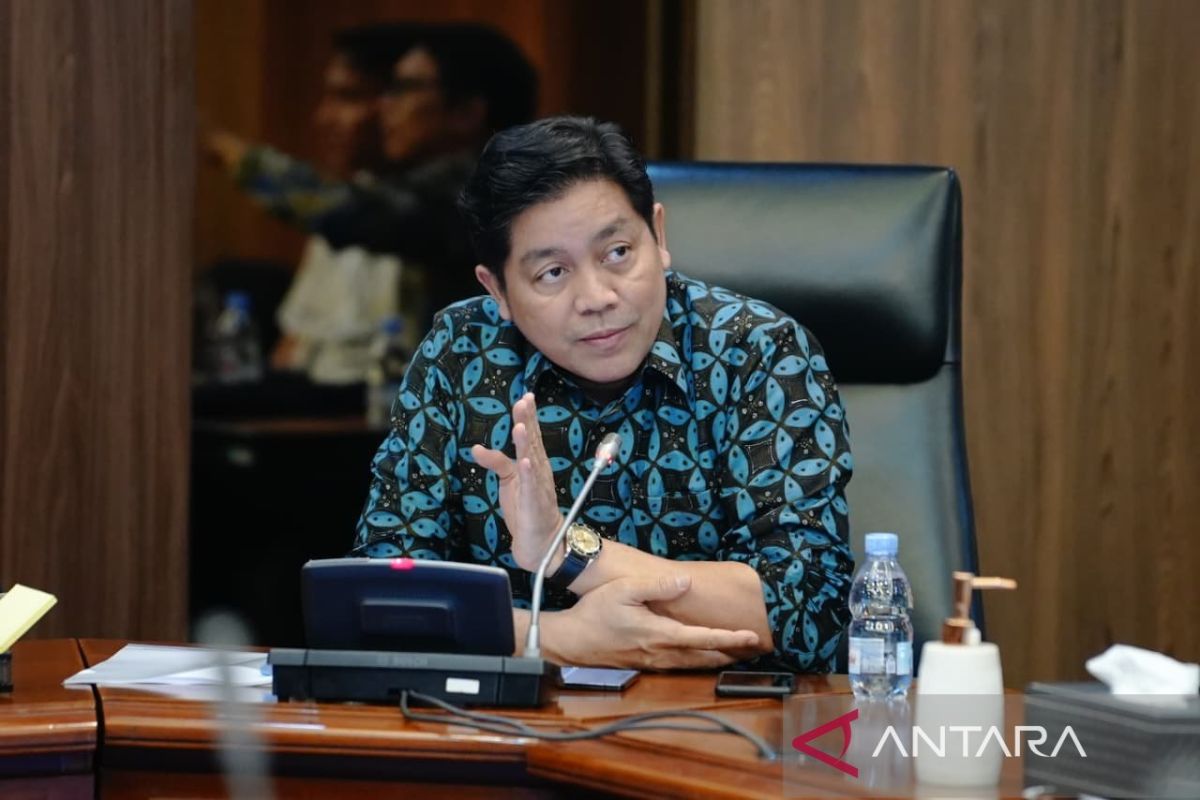
Jakarta (ANTARA) – The Indonesian government continues to consult with the United States Trade Representative (USTR) to obtain more competitive tariffs after Indonesia was subjected to a 10 per cent tariff based on the findings of a Section 301 investigation.
The tariff determination is a preliminary result of the USTR investigation into the prohibition of goods made using forced labour.
“The Indonesian government notes the USTR’s recognition that Indonesia is one of the countries actively committed to and possessing a regulatory framework to prevent and eradicate forced labour practices in global supply chains,” said Haryo Limanseto, spokesperson for the Coordinating Ministry for Economic Affairs, in Jakarta on Friday.
Haryo explained that Indonesia also actively participated in the investigation, which covered two issues: excess capacity in the manufacturing sector and the prohibition of imports of goods produced through forced labour.
This participation took the form of written submissions, attendance at public hearings, and inter-governmental consultations.
As is known, the USTR imposed tariffs based on the findings of a Section 301 investigation under the Trade Act of 1974 against 60 countries and territories.
Indonesia is among a group of 17 countries and territories subject to an additional 10 per cent tariff, alongside Argentina, Bangladesh, Cambodia, Canada, Ecuador, El Salvador, Guatemala, Honduras, India, Jordan, Malaysia, Mexico, Pakistan, Sri Lanka, Trinidad and Tobago, and the United Kingdom.
“We are also monitoring the USTR’s determination that several Indonesian products have been included in the tariff exemption list (product exemptions),” said Haryo.
Haryo added that, based on the latest information from the US government, the findings of the investigation into the excess capacity issue will be announced shortly. The government is still awaiting the official announcement and hopes the tariff policy applied will be more favourable to Indonesia.
In addition, the government hopes that Indonesian products which had previously obtained tariff exemptions through the signing of the Agreement on Reciprocal Trade (ART) will continue to be maintained.
“The government is actively continuing consultations with the USTR to secure the best and most competitive tariffs,” said Haryo.
Furthermore, to safeguard national export competitiveness, the government is preparing two main measures.
On the domestic front, the government will simplify import regulations for raw materials in order to reduce production costs, thereby making Indonesian export products more competitive.
Meanwhile, on the market side, the government is optimising the implementation of various trade agreements already in force, such as IA-CEPA, IK-CEPA, and RCEP, while expanding access to new markets through negotiations on the I-EAEU FTA, IEU-CEPA, and ICA-CEPA as alternative export destinations besides the United States.
As previously reported, the United States began imposing new tariffs of 10 per cent to 12.5 per cent on goods imported from 60 major trading partners from Friday (24/7), including China, Japan, and the European Union.
The US government stated the policy was adopted because these countries were deemed insufficiently firm in prohibiting imports of goods produced using forced labour.
Greer said the United States has banned imports of forced-labour goods for almost a century and enforces the ban strictly. According to him, it is time for US trading partners to implement similar policies.
“President Trump recognises that decades of moral persuasion have failed to eliminate forced labour practices from global supply chains,” said US Trade Representative Jamieson Greer.
According to the USTR, the countries targeted by the new tariffs account for around 99 per cent of total imports into the United States.
Meanwhile, the European Union, Taiwan, Japan, South Korea, and Switzerland are subject to tariffs that, when combined with existing most-favoured nation (MFN) tariffs, amount to 10 per cent or 12.5 per cent. A further 38 countries, including China, face tariffs of 12.5 per cent.