
Indonesia Commits to Fighting for Journalistic Compensation from Digital Platforms and AI at UNESCO Consultation
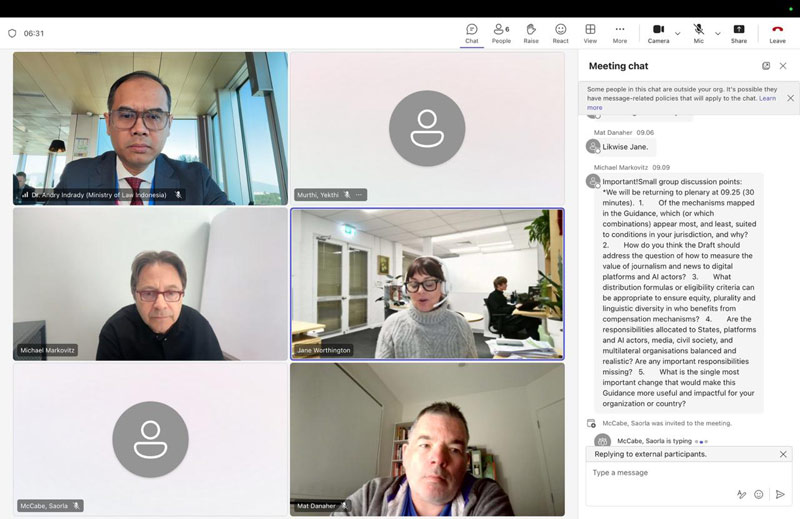
The Indonesian government has affirmed its commitment to fighting for fair compensation for journalistic works utilised by digital platforms and artificial intelligence (AI) providers. The statement was delivered by the Indonesian Delegation, represented by the Ministry of Law through the Head of the Agency for Legal Strategy (BSK) Hukum, Andry Indrady, during a UNESCO consultation session on the draft Guidance on Fair Compensation for News. The draft guidance serves as a companion document to the UNESCO Guidelines for the Governance of Digital Platforms (2023) and is currently undergoing global consultation until 30 July 2026. The document was born out of international concern over the weakening economic foundation of journalism: advertising revenue migrating to digital platforms, the closure of local media outlets in various countries, and the massive use of news content by generative AI systems without proper attribution or compensation. UNESCO views journalism as a public good, the sustainability of which is a prerequisite for freedom of expression and the public’s right to information. The draft guidance maps out various compensation mechanisms — ranging from mandatory negotiation frameworks and competition law instruments to copyright licensing and public journalism funds — which each country can adapt according to its own context.