
Indonesia–China 2027–2031: Don't just chase investment
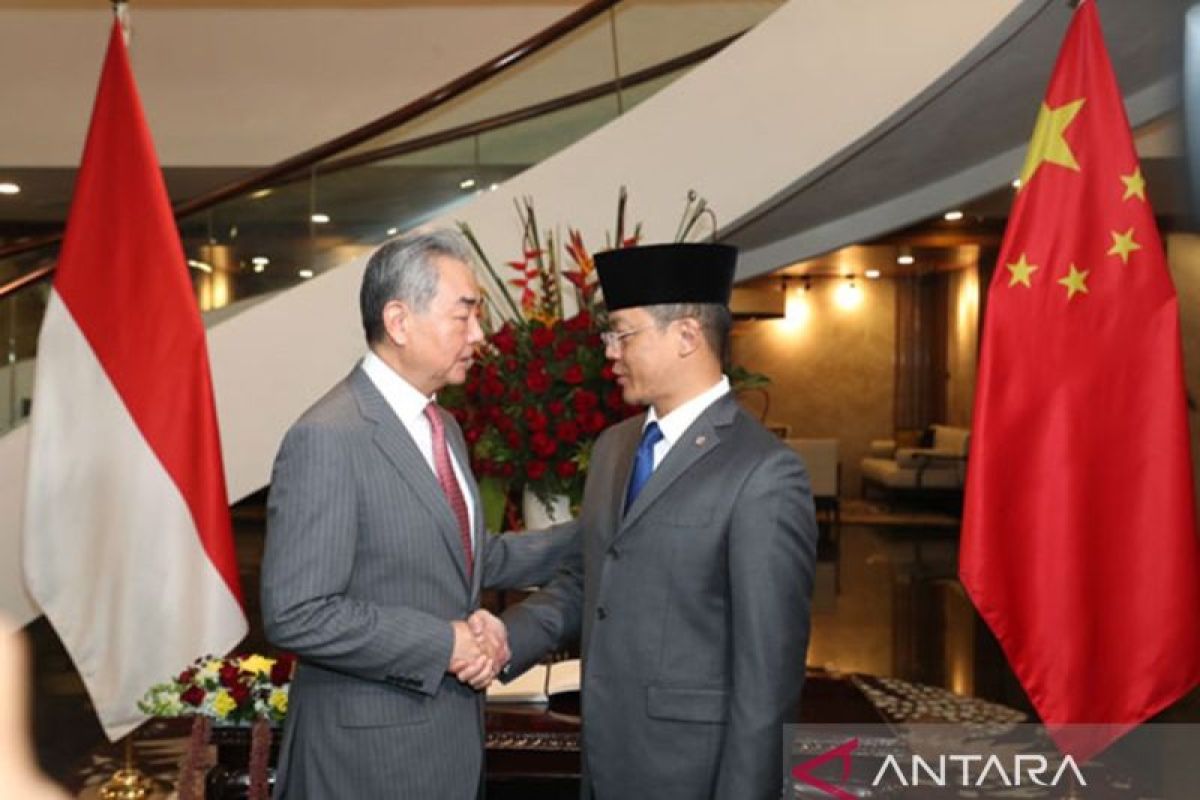
Jakarta (ANTARA) - Indonesia-China relations have entered a new chapter. The first Comprehensive Strategic Dialogue (CSD) meeting between the two countries, held in Jakarta on 21 August 2026, was not merely a diplomatic ceremony. The event contained a draft five-year cooperation agenda for the 2027–2031 period, covering trade, energy, minerals, maritime affairs, artificial intelligence, advanced technology, food, health, education and security. Thus, the relationship between the two countries is moving from sectoral cooperation towards an increasingly comprehensive relationship architecture.
For Indonesia, China is an economic partner too important to ignore. For China, Indonesia is a country too large to serve merely as a market or supplier of raw materials. Therefore, the most important question for the next five years is not whether Indonesia needs to cooperate with China. The answer is almost certainly yes. The question is: what kind of cooperation will make Indonesia stronger after that cooperation takes place?
Trade data illustrate the scale of Indonesia-China economic relations, while also revealing an imbalance in the trade structure between the two countries. In January-November 2025, China was Indonesia’s largest non-oil and gas export market with a value reaching 58.24 billion US dollars, or around 23.80 percent of total non-oil and gas exports. At the same time, China was also the largest source of non-oil and gas imports for Indonesia. Data from Statistics Indonesia (BPS) show that in the January-October 2025 period alone, non-oil and gas imports from China reached 70.19 billion US dollars, or 40.90 percent of Indonesia’s total non-oil and gas imports.
The large trade figures show that China is a very important economic partner for Indonesia. However, trade figures cannot be assessed solely by the size of export and import values. What matters more is what lies behind those figures: whether the trade relationship is making Indonesia’s production capacity stronger. Imports from China, for example, do not automatically indicate a poor position. A country undergoing industrialisation does need machinery, equipment, raw materials, components and capital goods from countries with a more advanced industrial base. Indeed, imports of capital goods can be an investment in productivity improvement if they subsequently strengthen domestic production capacity. Imports of capital goods can be an investment in future productivity. The problem arises when dependence on such imports does not result in stronger domestic production capability.