
Indonesia Can Strengthen Global Bargaining Power, Says Deputy Foreign Minister
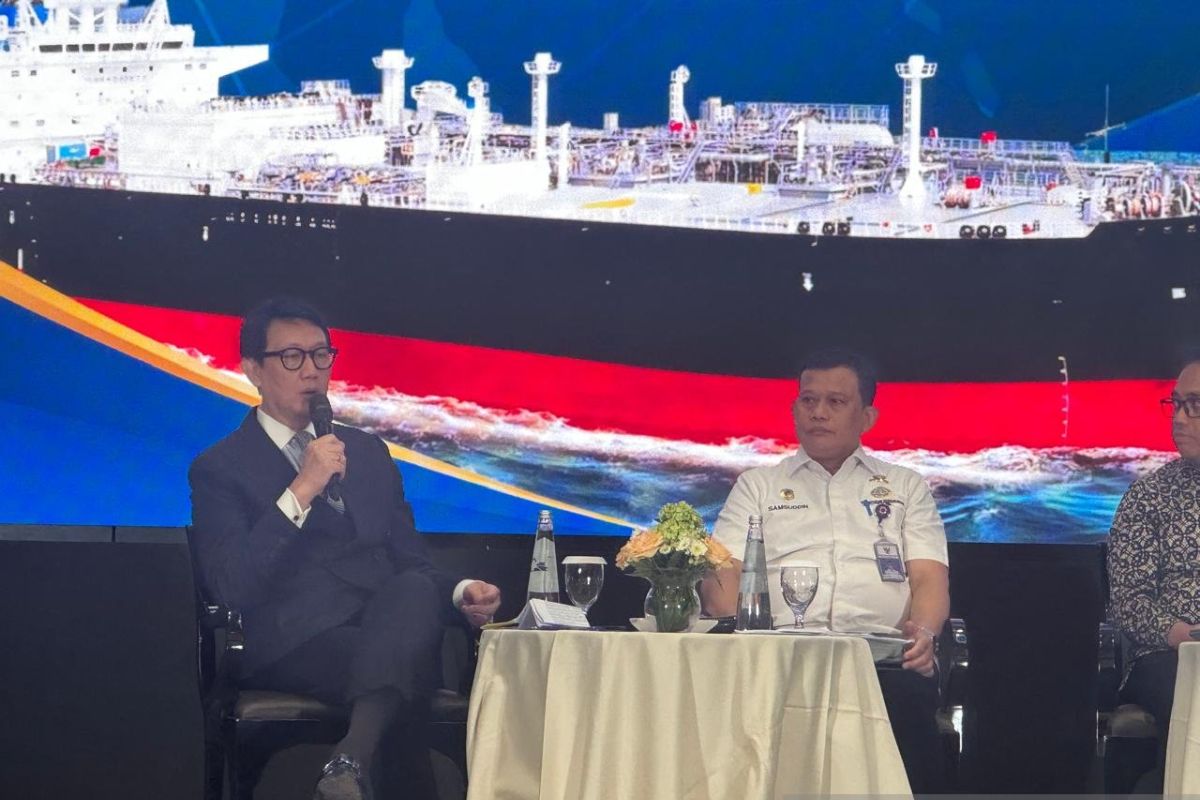
Deputy Foreign Minister Arif Havas Oegroseno has stated that Indonesia can strengthen its global bargaining power. He identified three key areas of leverage: physical capacity, human resources, and foreign policy.
Regarding physical capacity, Havas highlighted the need to reinforce the maritime industry through fleet ownership, the development of a national shipbuilding industry, and the optimisation of Indonesian shipping companies. He noted that Indonesia also possesses expertise in port management and services. Furthermore, he said the development of the offshore oil and gas industry could serve as significant capital to expand maritime influence and cooperation at the international level. “If we talk about oil and gas exploration, we have entered Algeria, we are in Gabon, we have contracts in Angola and Venezuela. We will enter Namibia and many other countries,” Havas explained.
On human resources, Havas conveyed that Indonesia has competent ship crews supported by educational institutions, which can be utilised as important national capital on the global stage. The third element of leverage is Indonesia’s free and active foreign policy. He clarified that this stance is not neutrality, as neutrality is a legal principle requiring formal declaration. He asserted that the free and active policy remains relevant amidst current geopolitical and economic dynamics, allowing Indonesia to choose its own strategy and actively engage in international relations without being confined to a single camp.
Source: jawawa.id (https://jawawa.id/newsitem/indonesia-can-strengthen-global-bargaining-power-says-deputy-foreign-minister-1783414507)
Originally published by Antara (Indonesian) (https://www.antaranews.com/berita/5638651/wamenlu-indonesia-bisa-perkuat-daya-tawar-global), translated from Indonesian