
Indonesia Builds Cell and Gene Therapy Ecosystem
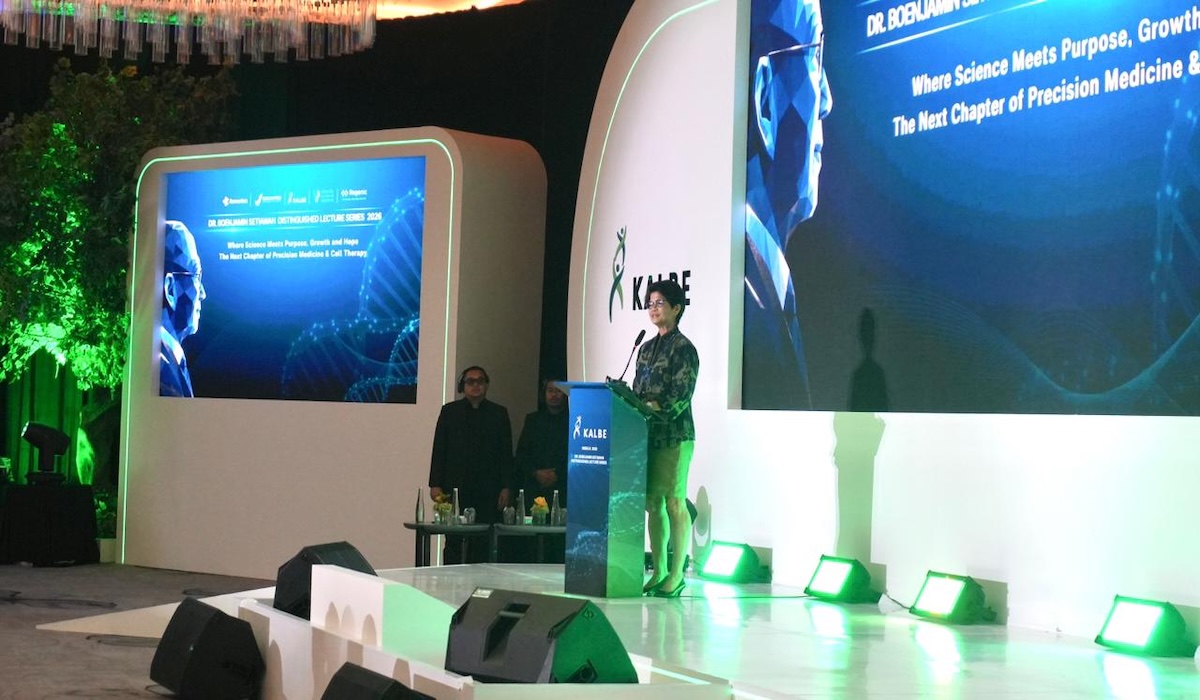
Indonesia is beginning to prepare for the development of cell and gene-based therapies as part of its healthcare transformation, particularly to address the increasing burden of cancer. However, the implementation of such technologies still faces challenges including infrastructure readiness, production facilities, clinical evidence, and the broader healthcare ecosystem.
President Director of PT Bifarma Adiluhung - Regenic Stem Cell, Sandy Qlintang, said the advancement of precision medicine and cell therapy must be accompanied by ecosystem readiness so that it can be applied safely and sustainably. “Through DBSDLS, we want to bring together the latest scientific developments with the reality of their implementation. Not only discussing the technology, but also scientific evidence, infrastructure readiness, GMP-certified production facilities, regulation, and healthcare facilities,” Sandy said at the Dr. Boenjamin Setiawan Distinguished Lecture Series (DBSDLS) 2026 in Jakarta on Saturday (29/8).
According to him, progress in cell and gene-based therapies needs to proceed alongside clinical evidence, governance, and oversight so that innovation can provide benefits for patients.
The development of cell and gene therapy has drawn attention amid rising cancer cases in Indonesia. Data from the Global Cancer Observatory of the International Agency for Research on Cancer (IARC) recorded that Indonesia had approximately 408,661 new cancer cases and 242,099 cancer deaths in 2022. The government also estimates that without a change in strategy, the burden of cancer cases and deaths in Indonesia could increase by around 63 percent in the 2025-2040 period.
This situation is driving the development of personalised medicine approaches that allow prevention, diagnosis, and therapy to be tailored to the biological and genetic characteristics of patients.
President Director of PT Kalbe Farma Tbk, Irawati Setiady, said the development of medical science is currently moving towards more precise and personal therapies, requiring collaboration between industry, academia, clinicians, and regulators. “Kalbe wants to continue to be part of an ecosystem that brings together science, innovation, and collaboration so that advances in health technology can ultimately provide real benefits for patients and the Indonesian people,” Irawati said.
In addition to cell therapy, gene editing has also become one of the technologies gaining attention in the development of future treatments. Technologies such as CRISPR/Cas9 have progressed from basic research to therapeutic applications that have received regulatory approval in several countries.
In Indonesia, the strengthening of precision medicine is also being carried out through the Biomedical and Genome Science Initiative (BGSI), developed by the government to utilise genomic data in understanding disease characteristics.
Minister of Health Budi Gunadi Sadikin said the development of a genomic database is one of the foundations for supporting science-based health transformation. “Indonesia currently has two population-level databases, and through the development of BGSI we are jointly building the third population-level database, namely a genomic database,” Budi said.
From a regulatory perspective, Head of the Food and Drug Supervisory Agency (Badan POM) Taruna Ikrar said the government has prepared a regulatory framework to support the development of innovative therapies, including cell, RNA, and gene therapies. Through BPOM Regulation No. 8 of 2025, BPOM is strengthening the regulatory pathway for Advanced Therapy Medicinal Products (ATMP) while maintaining standards of safety, quality, and efficacy.
“In overseeing this new chapter of precision medicine, regulatory acceleration must remain grounded in the principle of no compromise on safety, quality, and efficacy aspects in order to protect the health of all Indonesian people,” Taruna said.
Globally, the development of cell and gene therapy continues to increase. Over the past decade, nearly 50 cell and gene therapies have received approval from the United States Food and Drug Administration (FDA).
Although the opportunities for developing such therapies are growing, Indonesia still needs to strengthen various supporting aspects, from research capacity, production facilities, and expert personnel to hospital services and financing mechanisms, so that innovation can be accessed more widely by the public.