
Indonesia Begins Collecting Cross-Border Digital VAT, DGT Reveals Progress
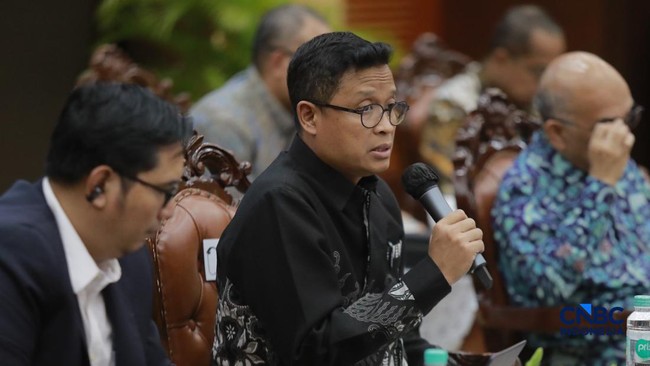
The Director General of Taxes (DGT), Bimo Wijayanto, has confirmed that the collection of Value Added Tax (VAT) for Cross-Border Digital Transactions (SPP-TDLN) became effective last week, specifically on 25 September 202ly.
“It has begun. We previously conducted sandboxing and a stabilisation period. Once we went live, it commenced,” Bimo stated when met at the parliamentary complex in Jakarta on Tuesday (29/9/2026).
Bimo claimed that the DGT has maintained effective communication with foreign digital merchants and service providers regarding the implementation of the SPP-TDLN collection system. He also emphasised that the DGT possesses the legal right to levy taxes on digital transactions.
“We indeed have the right to collect taxes on both services and goods transactions. International notifications have also been sent. Many intermediaries have provided positive support, as their clients have been enquiring about it,” Bimo asserted.
To date, Bimo noted that 260 platforms have registered to collect the tax. However, he remarked that this number remains relatively low given that there are thousands of digital platforms in operation.
It is hoped that the SPP-TDLN will increase tax revenue beyond the 12 trillion IDR previously collected by ensuring more accurate data. “The clear hope is that this will augment the current 12 trillion IDR we have collected. With the SPP-TDLN system, it will certainly become even more accurate,” he added.
SPP-TDLN is a mechanism designed to collect Indonesian VAT on specific goods, digital goods, and digital services supplied to customers within Indonesia. There are three technical mechanisms in the implementation of SPP-TDLN.
First, foreign merchants and service providers are required to include Indonesian VAT in the price or amount paid by customers in Indonesia. Second, Indonesian VAT may be collected through designated payment intermediaries or other methods via entities appointed under Indonesian law. Third, the amount received by foreign merchants or service providers may be reduced by the Indonesian VAT collected through the applicable payment mechanism.
“In practice, customers in Indonesia pay an amount that already includes Indonesian VAT, while that VAT can be collected through a predetermined payment mechanism before the remaining balance is transferred to the foreign merchant or service provider,” Bimo explained in Announcement No. PENG-6/PJ/2026.
Furthermore, Bimo stated in the announcement that foreign businesses already designated as VAT collectors for PMSE (Electronic Commerce) who collect Indonesian VAT themselves will continue to follow existing VAT collection regulations.
“Thus, SPP-TDLN does not apply to transactions where VAT has already been collected under the existing PMSE VAT Collector mechanism. The two VAT collection mechanisms will operate side-by-side,” he concluded.