
Indonesia becomes key driver of Japan cultural exchange
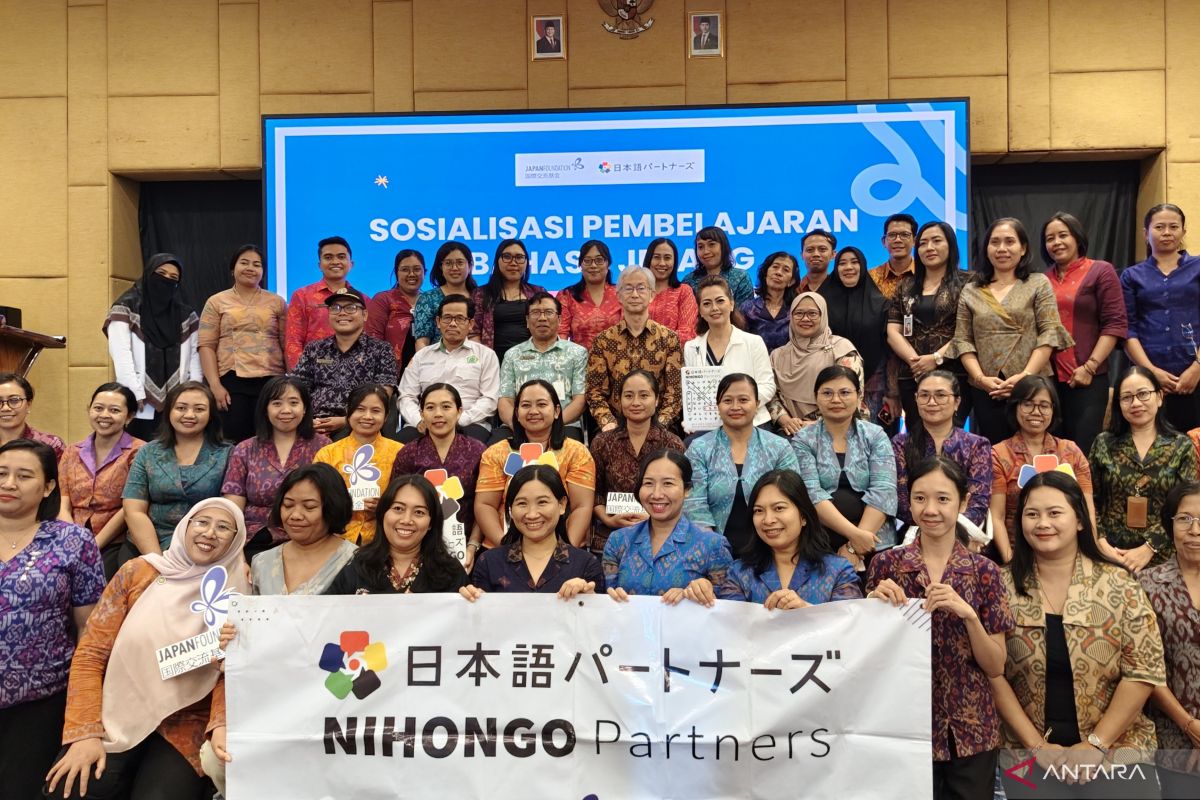
Japanese Consul General in Denpasar, Bali, Miyakawa Katsutoshi, stated that Indonesia has become one of the main drivers of Indonesia-Japan cultural exchange due to the high interest among the younger generation in learning the Japanese language. “Indonesia is currently recorded as the country with the second-largest number of Japanese language learners in the world,” Miyakawa said during a Japanese language learning outreach event in Denpasar, Bali, on Tuesday. In Bali, he continued, the interest of the younger generation in learning the language of the ‘Land of the Rising Sun’ is also relatively high, driven by an interest in popular culture, career opportunities, and further study. The number of Indonesian students currently studying in Japan has now reached approximately 7,000 and continues to grow. The senior diplomat added that on the Island of the Gods, more than 150 senior high schools and vocational high schools currently offer Japanese as an elective foreign language subject. Through language education, he noted, career potential has been unlocked, one example being a work internship programme which saw around 2,000 participants depart for Japan in November 2025. He believes that Japanese language education in a number of schools in Bali is not merely about mastering grammar, but serves as a bridge for bilateral relations between the two countries. Echoing Miyakawa, The Japan Foundation Director General Inami Kazumi added that Japanese language learning at the secondary school level, including Madrasah Aliyah, is not only for education but also to strengthen people-to-people ties between the two nations. He added that based on a survey conducted in 2024, an estimated 700,000 Indonesians are learning Japanese, making it the second-largest population of learners after China. His organisation has been running a programme to dispatch Japanese language partners to Indonesia in cooperation with the Indonesian Ministry of Education and, since 2023, the Ministry of Religious Affairs. Cumulatively, around 1,000 native speaker partners have been sent to Indonesia to date. Meanwhile, during the outreach event, the head of a state senior high school in Denpasar explained that since 2015, his school has received one native speaker per year to assist the Japanese language teacher for a duration of six months. “With this method, our children are enthusiastic about learning the Japanese language and culture. They are also happy because it increases their foreign language competence, thus opening up their insights and job opportunities,” he said.