
Indonesia Backs UNESCO’s Open Science Initiative
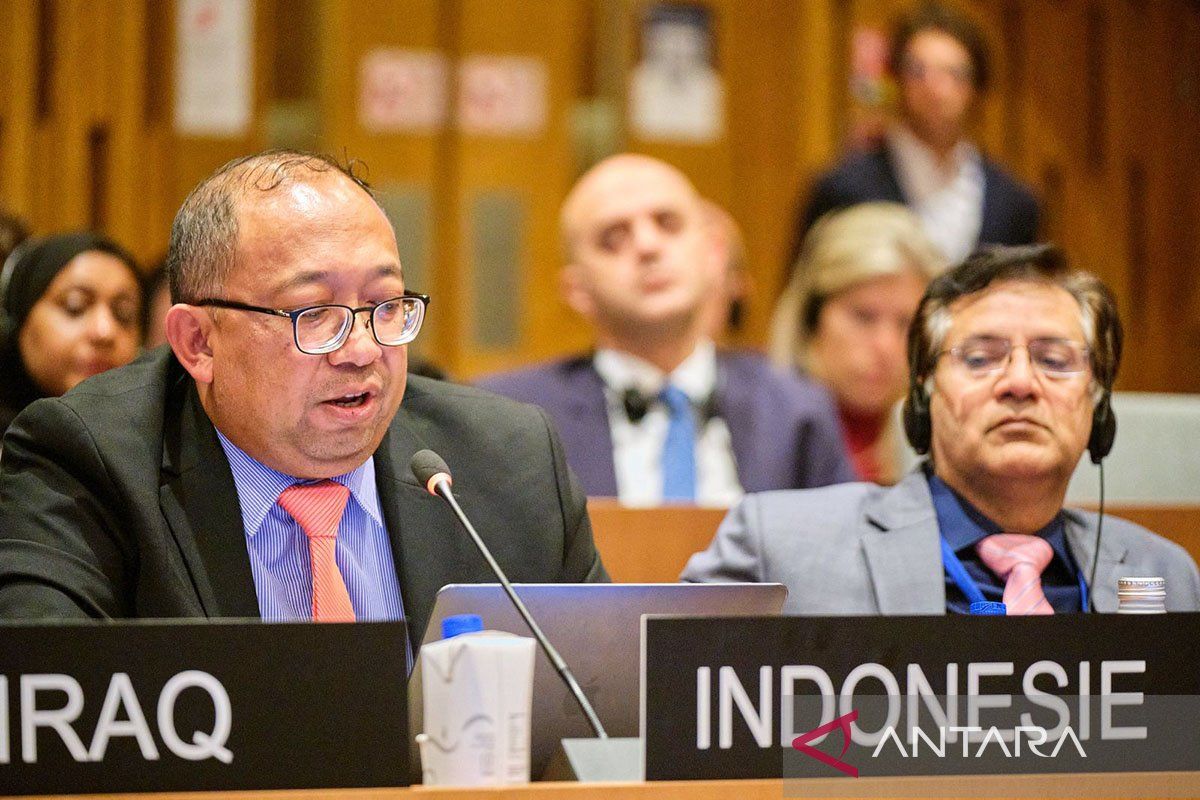
Jakarta (ANTARA) – Indonesia has voiced support for the open science policy proposed by UNESCO, in line with the principles of accessible knowledge and greater collaboration in education.
However, Indonesia’s Deputy Permanent Delegate to UNESCO, IGAK Satrya Wibawa, told the 225th session of UNESCO’s Executive Board in Paris, France, that the policy must continue to respect data protection and intellectual property rights.
“Open science is not a race to produce as much open data as possible,” he said, according to a written statement confirmed in Jakarta on Wednesday.
“What matters more is how openness improves the quality and integrity of research and broadens collaboration. This will enable scientific knowledge to deliver tangible benefits to society,” Satrya added.
He explained that the principles of open science are built on three pillars: relevance and significance; transparency and reproducibility; and self-assessment and responsible use. More than 150 experts from 41 countries were consulted in developing the policy.
Indonesia considers these principles consistent with efforts to strengthen national research governance, particularly since Presidential Regulation No. 39/2019 on One Data Indonesia established a national framework for data standards, metadata and interoperability.
However, implementation of open science must also respect national regulations and research security, and take account of differences in infrastructure capacity between countries, he said.
“Its monitoring system must not become a new reporting burden for developing countries,” he added.
Satrya also said Indonesia supported the decision by the committee implementing Sustainable Development Goal 4 (SDG 4), on quality education, to make the resilience of education systems a focus of its agenda for 2026–2027.
He outlined several steps Indonesia has taken to advance education in line with SDG 4, including upskilling programmes for vocational-school teachers and vocational instructors to ensure educators’ skills keep pace with technology and industry needs.
Satrya reiterated that advancing open science and education resilience requires concrete support from UNESCO that is aligned with the needs and capacities of each member state.
“Education resilience and open science will only be meaningful if global commitments are translated into commitments to provide fairer access and tangible benefits for society,” said the Deputy Permanent Delegate of Indonesia to UNESCO.