
Indonesia Backs Three Pillars of UNESCO Institutional Reform
Jakarta (ANTARA) – Indonesia supports the UNESCO80 Roadmap, which sets out three pillars of institutional reform: improving efficiency and institutional performance, reviewing the implementation of UNESCO’s mandate, and adjusting its organisational structure. The roadmap is aligned with the UN80 reform agenda across the United Nations (UN).
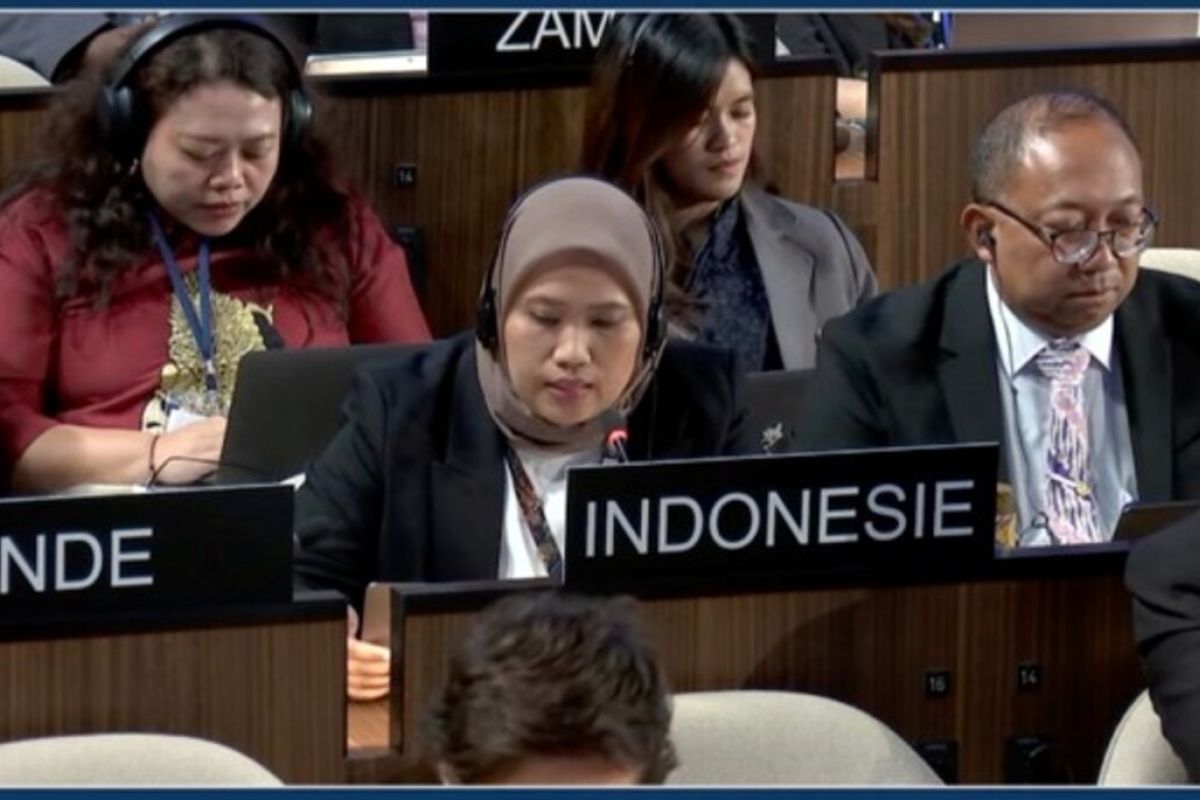
Indonesian Foreign Ministry diplomat Sasi Hemawardani said Indonesia welcomed progress in implementing the UNESCO80 Roadmap and backed the proposed draft decision. She also stressed the importance of transparency, member-state involvement and regular progress reports.
“Member states need to know what changes are being made, the risks involved and the benefits achieved. Transparency and accountability are prerequisites for confidence in reform,” Sasi said, according to a statement confirmed in Jakarta on Friday.
The first pillar, improving efficiency and institutional performance, covers coordination, accelerating digital transformation, strengthening accountability, and developing a human-resources planning framework for UNESCO’s 2028–2029 programme and budget.
Indonesia has particular interest in staffing policies that strengthen geographical representation, ensure merit-based recruitment and foster a healthy working environment.
The second pillar, reviewing the implementation of UNESCO’s mandate, includes reviewing its network of field offices, coordination with Category 1 institutes, and the sustainability of programme funding.
Indonesia considers these discussions strategic, particularly in relation to the capacity of UNESCO’s Regional Office in Jakarta to support scientific cooperation and sustainable development in the region.
Indonesia also supports diversifying funding through partnerships and voluntary contributions. However, it cautioned that innovative financing instruments, including debt swaps and social impact bonds, require clear mechanisms, transparency and risk management.
The third pillar, adjusting the organisational structure, includes merging the Natural Sciences and Social and Human Sciences sectors into a single Sciences Sector. The reorganisation also involves separating strategic planning and partnership functions, and strengthening coordination under the Deputy Director-General.
Indonesia believes merging the science sectors could strengthen cross-disciplinary collaboration in addressing climate change, developments in artificial intelligence (AI) and sustainable development challenges. Sasi stressed that structural changes must preserve programme continuity and the organisation’s substantive capacity.
Meanwhile, Indonesia’s Deputy Permanent Delegate to UNESCO, IGAK Satrya Wibawa, said institutional reform should be assessed according to the benefits it delivers to member states.
“Reform must strengthen the organisation’s ability to respond to global challenges, from education and climate change to digital transformation and artificial intelligence governance. Efficiency is a means, not an end,” Satrya said.
The position was conveyed on Thursday (15 October) during the discussion on implementation of the UNESCO80 Roadmap at the 225th session of UNESCO’s Executive Board in Paris, France.
UN80 is a UN reform initiative; “80” refers to the UN’s 80th anniversary in 2025. It comprises three mutually reinforcing elements: efficiency and improvement, a review of mandate implementation, and structural change and programme alignment.