
Indonesia–Australian collaboration drives Net Zero transition for Gorontalo community health centres
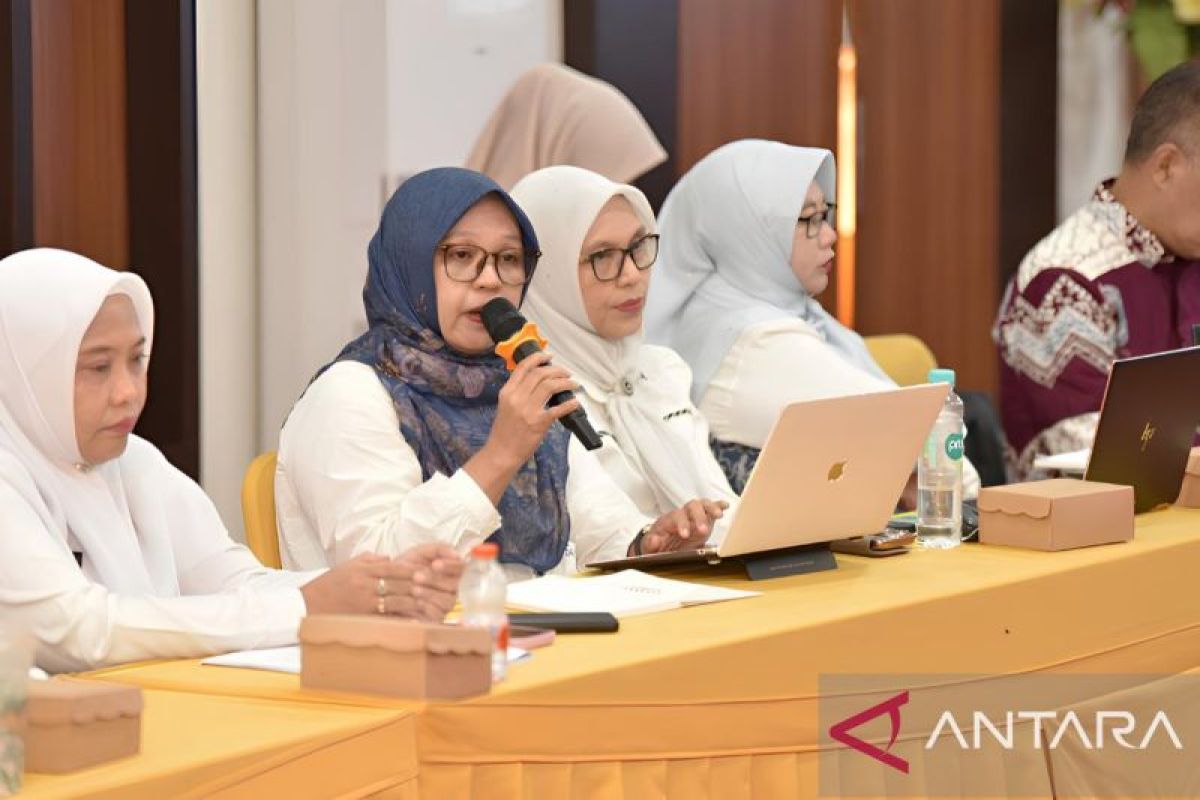
That research runs for two years from August 2025 under the Partnership for Australia–Indonesia Research (PAIR) programme. Gorontalo — Indonesia and Australia are collaborating to strengthen the transition to low-emission health services through research to develop a net zero regulatory framework for puskesmas in Gorontalo and North Sulawesi. The study, entitled ‘Green Health: Community Health Centre Net Zero Transition Regulatory Framework’, was presented at an academic event in the Aula of the Faculty of Economics and Business at Gorontalo State University on Thursday, and it was deemed relevant to sustainable development goals and the strengthening of regional health governance. One of the researchers, Yowan Tamu, explained that the study runs for two years from August 2025 under the PAIR programme. He noted that the research involves collaboration with several universities from both countries, with the University of Melbourne leading the Australian consortium. Indonesian partners include Hasanuddin University, Bandung Institute of Technology, Gorontalo State University, Gadjah Mada University, and Sam Ratulangi University. ‘This research is not only academically oriented but also aimed at delivering real impact for health governance in the region,’ Yowan said. He noted that the research team is developing an evidence-based regulatory framework that can be applied at the puskesmas level to support the transition to net zero emissions in primary health services. The research also involves various strategic partners, including the Gorontalo Provincial Development Planning Agency (Bappeda) and provincial- and district-level health offices to support integration of research into regional development planning documents. In addition to mapping regulations, the study also includes interviews, focused group discussions and surveys at several puskesmas involving around 50 respondents. The research team aims to produce evidence-based policy recommendations on the net zero transition in primary health facilities, models for decarbonising health service incentives, and social and anthropological approaches to ensure the regulations match local community conditions. The Deputy Australian Ambassador to Indonesia, Gita Kamath, who was also present, hoped that the collaborative research would have a direct impact on communities. ‘May the findings be translated into real-world impact,’ she said.