
Indonesia and UNICEF Collaborate to Accelerate Child Rights Recovery
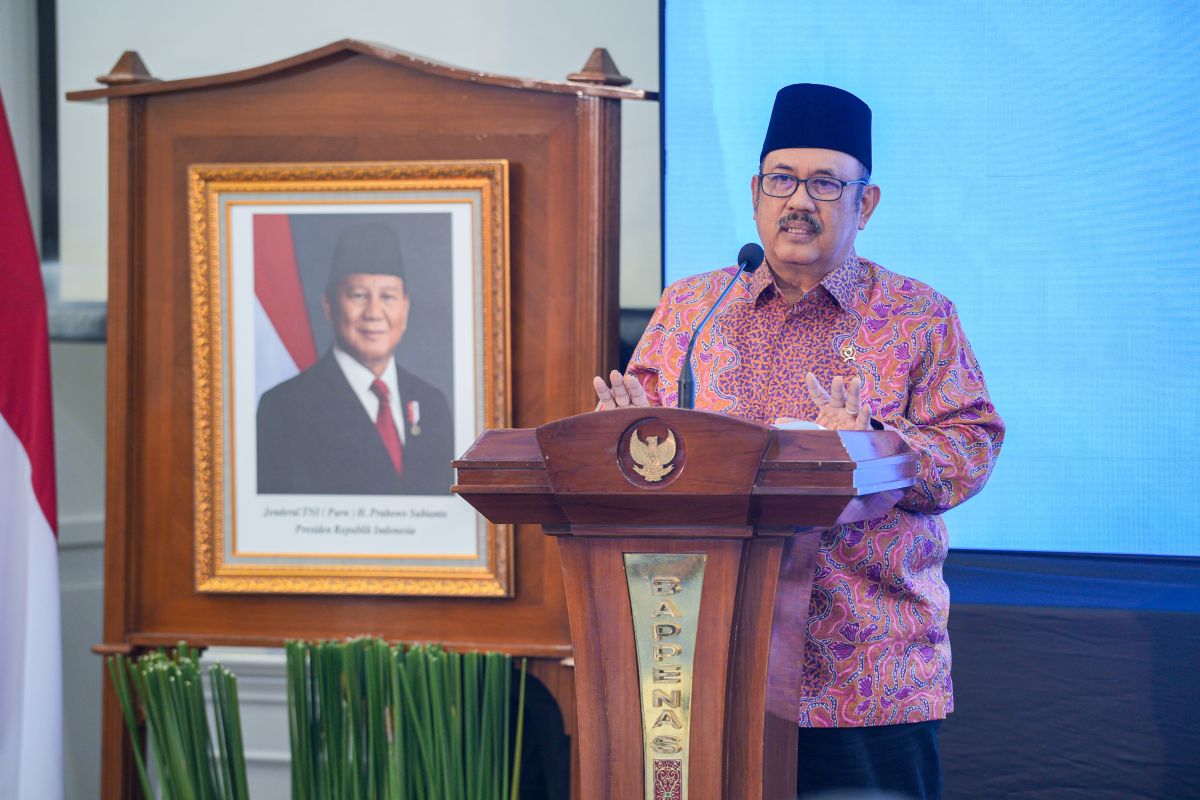
No child left behind is the principle in ensuring every Indonesian child grows and develops optimally. Jakarta (ANTARA) - The Indonesian government and the United Nations Children’s Fund (UNICEF) are collaborating to accelerate the recovery of child rights in Indonesia. “No child should be left behind. No child left behind is the principle in ensuring every Indonesian child grows and develops optimally,” said Minister of National Development Planning/Head of Bappenas Rachmat Pambudy during the launch of the Country Programme Action Plan (CPAP) for Cooperation between the Government of Indonesia and UNICEF for the 2026–2030 Period, according to an official statement in Jakarta on Thursday. This strategic cooperation between Indonesia and UNICEF has been established since 1966. The total budget for the 2026-2030 period is approximately US$131 million, which will be utilised for millions of children throughout Indonesia through the expansion of access to quality essential services and the strengthening of national systems. The work plan in this cooperation document has been aligned with the government’s national priorities in the National Medium-Term Development Plan (RPJMN) 2025–2029, the Sustainable Development Goals (SDGs), and the United Nations Sustainable Development Cooperation Framework (UNSDCF) 2026–2030. The implementation of CPAP 2026–2030 focuses on six main pillars: health, nutrition, education, climate action and environment, water-sanitation-hygiene (WASH), and child protection and social policy. Cross-sectoral strategies will focus on developing innovative solutions and digital transformation, promoting gender equality, strengthening resilience to climate and disaster impacts, and increasing inclusion for children with disabilities. His side, together with the Ministry of Home Affairs (Kemendagri), will coordinate across ministries/institutions (K/L) at the national level, as well as local governments (Pemda) in formulating annual work strategies with UNICEF. Monitoring and control will also be carried out to ensure alignment with development priorities and achievement of cooperation targets. Staff Expert to the Minister of Home Affairs for Apparatus and Public Services, Anwar Harun Damanik, hopes that the implementation of this cooperation programme can serve as a lever to accelerate the achievement of national and regional human resource development targets. This programme is also expected to create good practice models that can be widely replicated to other regions in Indonesia. Local governments are considered to play an important role in integrating successful cooperation programmes into local planning documents (RKPD). “Kemendagri will continue to commit to providing guidance and supervision so that the implementation of cooperation programmes in the regions remains in line with the established corridors and aligned with the direction of national development policies,” said Anwar Harun. At the regional level, UNICEF collaborates with priority provincial governments and districts in their respective areas to strengthen regional capacity in planning, budgeting, and providing quality services for children. The provinces include West Java, Central Java, East Java, Maluku, North Maluku, East Nusa Tenggara, Papua, West Papua, Southwest Papua, Central Highlands Papua, South Papua, Central Papua, and North Sumatra. UNICEF Indonesia Representative Maniza Zaman stated that her organisation has been working in Indonesia for more than 75 years to advance child rights. For her, Indonesia has made significant progress in fulfilling child rights. “By strengthening this long-term partnership, we can realise a future where every child grows up healthy, educated, protected, and free from poverty and violence,” said Maniza.