
Indonesia and the Future of UN Peacekeeping Missions
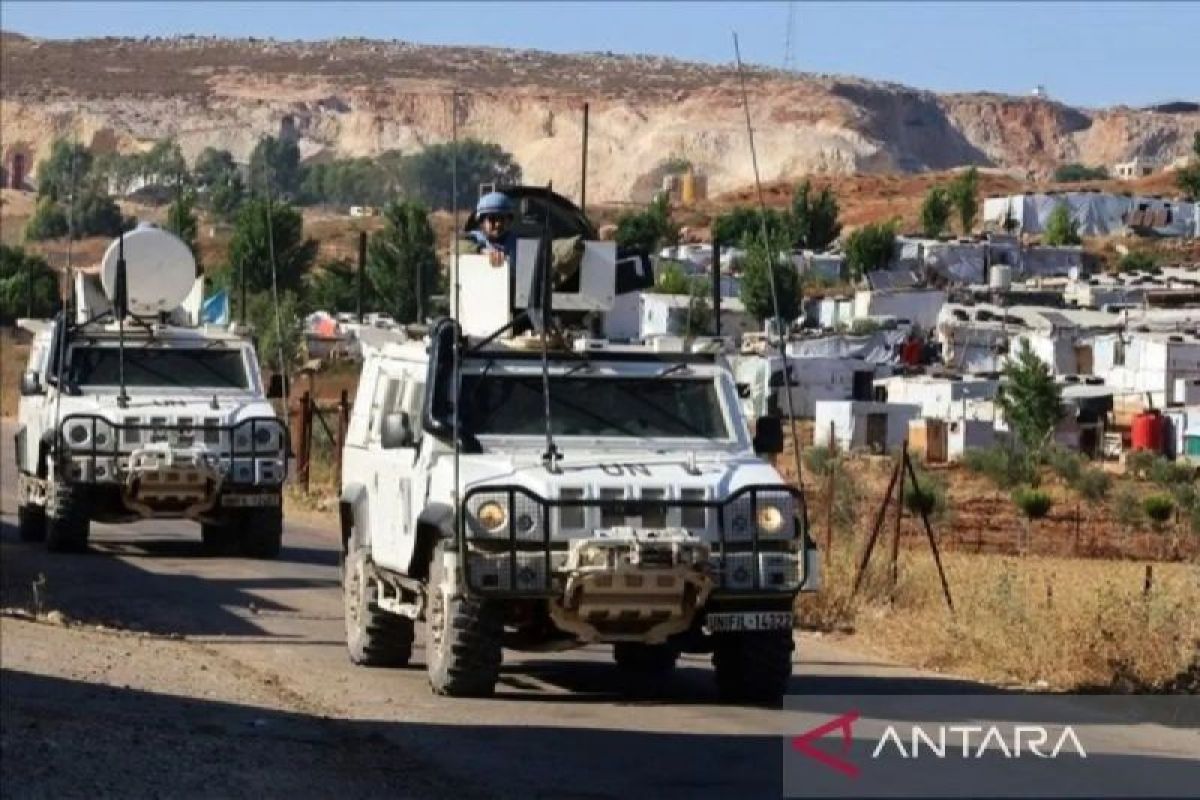
Indonesia can advocate for the continuity of essential functions and the safety of personnel as key considerations in decisions on the future of the mission.
Jakarta (ANTARA) — The visit to Indonesia by United Nations (UN) Secretary-General António Guterres on 17–19 October provided an opportunity to review Indonesia’s contribution to maintaining world peace.
During a visit to the Indonesian Military’s Peacekeeping Mission Centre in Sentul on 19 October, Guterres praised Indonesia’s contribution and paid tribute to four Indonesian personnel killed while serving in a UN mission in Lebanon. Nearly 2,000 Indonesian personnel are currently serving in seven UN peacekeeping missions.
Tributes to those killed must be followed by concrete steps to ensure peacekeeping functions continue when a mission ends.
This is pressing ahead of the end of the mandate of the UN Interim Force in Lebanon (UNIFIL) on 31 December 2026. The withdrawal of personnel will then take place gradually over the following year. Discussions are continuing on what form of UN presence will carry on essential functions in southern Lebanon.
Indonesia’s contribution gives it a basis for taking part in discussions about the future of peace operations. Its role could include sharing field experience and operational recommendations to help ensure the mission transition is safe and effective.
Transition risks
UN Security Council Resolution 2790 of 2025 stipulates that UNIFIL’s mandate will end on 31 December 2026. Personnel must be withdrawn in an orderly and safe manner over the following year. The resolution also asks the UN Secretary-General to prepare options for continuing the implementation of Resolution 1701 after UNIFIL’s withdrawal.
The resolution allows UNIFIL to continue carrying out a number of functions during the withdrawal period, subject to its capabilities and area of operations. These include monitoring conditions around UNIFIL positions, protecting and evacuating personnel at risk, providing medical support, and contributing to the protection of civilians and the delivery of humanitarian assistance.
These provisions show that the withdrawal period is not a time without a mandate, but a phase requiring careful safety arrangements and the handover of functions.
On 14 October, UN Under-Secretary-General for Peace Operations Jean-Pierre Lacroix met Lebanese President Joseph Aoun to discuss options for a UN presence after UNIFIL’s withdrawal.
Aoun warned that the force’s withdrawal risked removing international monitoring from the south while the security situation remained fragile. He also stressed the Lebanese Armed Forces’ need for UNIFIL’s humanitarian and logistical support if national forces take over deployments in the area.
Lacroix concluded a three-day visit to Lebanon on 16 October. The UN said several options were still under consideration, while Lebanon wants an international presence to be maintained.
No decision has yet been made.
Source: jawawa.id (https://jawawa.id/newsitem/indonesia-and-the-future-of-un-peacekeeping-missions-1792655579)
Originally published by Antara (Indonesian) (https://www.antaranews.com/berita/5804281/indonesia-dan-keberlanjutan-misi-perdamaian-pbb), translated from Indonesian