
Indonesia and Singapore Agree to Keep Malacca Strait Free for All Passage
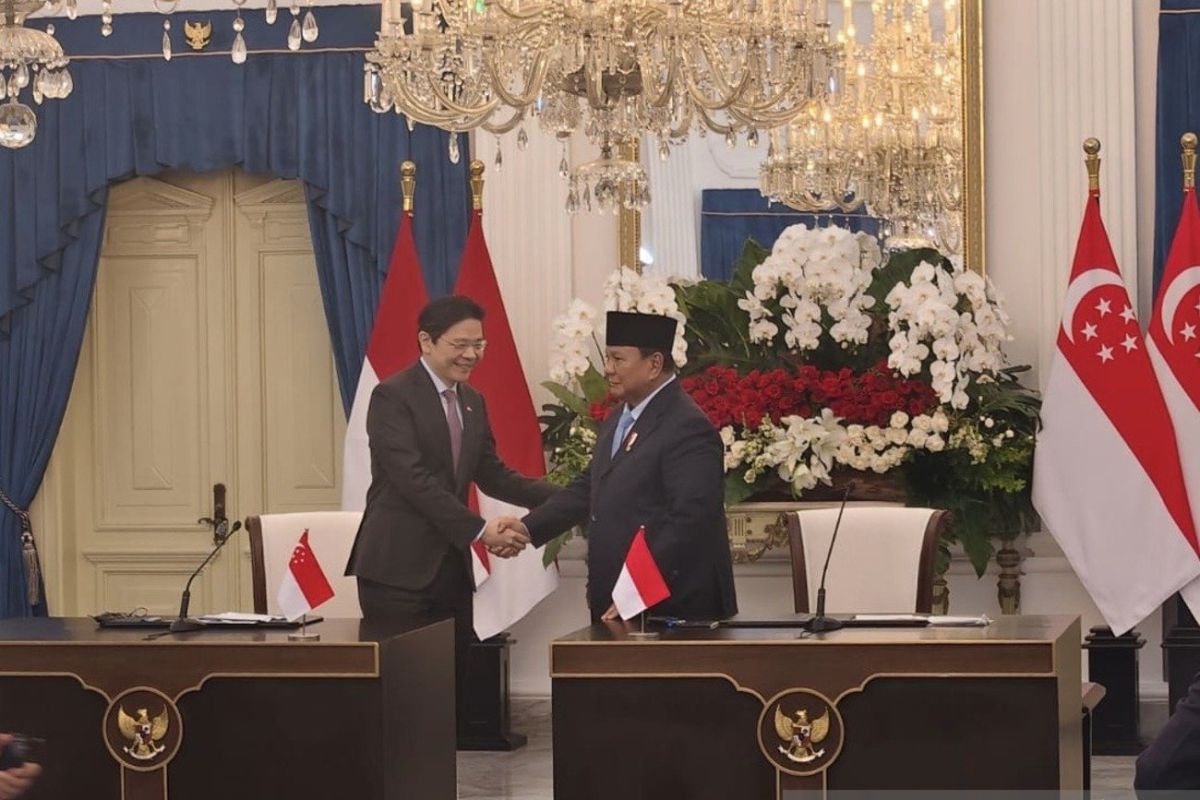
The Indonesian and Singaporean governments have agreed to keep the Malacca Strait free for all passage and ensure its security from accidents and piracy. ‘Indonesia and Singapore are countries directly bordering the Malacca Strait; we have a vested interest in keeping the strait a free passage for all parties,’ said President Prabowo Subianto during a joint press statement with Singaporean Prime Minister Lawrence Wong at the Merdeka Palace in Jakarta on Monday. Prabowo stated that both countries agreed to continue maintaining security and peace in the area around the Malacca Strait, including from potential pollution, accidents, or acts of piracy and robbery, something vital for countries situated along this important shipping lane. Prabowo said Indonesia will continue to coordinate with countries around the Malacca Strait, namely Singapore, Malaysia, and Thailand, to ensure, in accordance with the 1982 United Nations Convention on the Law of the Sea (UNCLOS), that the lane will always be open and safely accessible to all parties. ‘I think that is our firm stance, and I assure our friends in Singapore of Indonesia’s position and my personal position from the start. I think I have proven it personally over several decades, my commitment, my belief that Singapore and Indonesia must be good partners,’ said Prabowo. On the same occasion, Singaporean Prime Minister Lawrence Wong also affirmed that both countries agreed on the importance of freedom of navigation in the Malacca Strait. PM Wong conveyed that he and President Prabowo agreed to work together, according to their capacities, to ensure the Malacca Strait area remains safe and accessible to various parties. President Prabowo received PM Wong’s visit at the Merdeka Palace in Jakarta on Monday for the annual Singapore-Indonesia Leaders’ Retreat. The meeting discussed a number of issues, including cooperation in various sectors such as the economy, energy, and education, as well as several regional and global issues.