
Indonesia and Seven Foreign Ministers Condemn Jewish Settler Incursion into Al-Aqsa
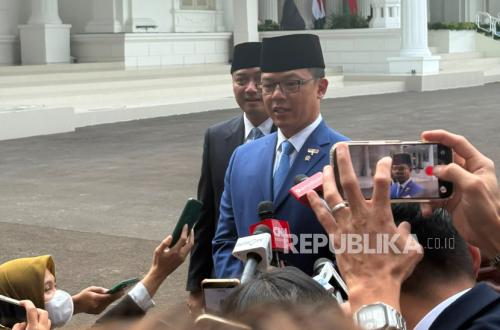
Indonesian Foreign Minister Sugiono, together with the foreign ministers of Egypt, Jordan, Pakistan, Qatar, Saudi Arabia, Türkiye, and the United Arab Emirates, have strongly condemned the escalation by Israel at the Al-Aqsa Mosque/Al-Haram Al-Sharif. In a joint statement released via the Indonesian Ministry of Foreign Affairs’ social media platform X on Friday, the ministers specifically condemned the continued mass incursions by settlers, led by extremist Israeli ministers, into the Al-Aqsa Mosque/Al-Haram Al-Sharif compound. They asserted that these actions constitute a flagrant violation of international law, relevant United Nations resolutions, and the historical and legal status quo of the holy sites in occupied East Jerusalem. The ministers expressed deep regret and condemned in the strongest terms the illegal and extremist incitement, calls for mobilisation of incursions, and violence perpetrated by Israeli ministers and extremist groups. According to the statement, these provocative actions fuel hatred and extremism and hinder efforts to achieve a just and sustainable peace based on the two-state solution. The ministers further stated that restrictions on access to the Old City of Jerusalem and its places of worship represent a clear violation of international law, including international humanitarian law, and an unlawful attempt to alter the prevailing historical and legal status quo. They stressed that Israel has no sovereignty over occupied Jerusalem or its Islamic and Christian holy sites. Moreover, the ministers condemned the ongoing and systematic violations and actions by Israel, as the Occupying Power, aimed at changing the historical, legal, and demographic character of occupied East Jerusalem and undermining the sanctity and status of Islamic and Christian holy sites.