
Indonesia and Saudi Arabia Discuss Mitigating Rising Hajj Costs and Logistics for 2026, Pilgrim Safety as Top Priority
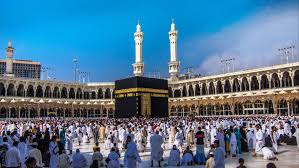
The Indonesian government and Saudi Arabia are strengthening coordination in preparing for the 2026 Hajj pilgrimage, emphasising aspects of pilgrim safety, smooth air transport, and the availability of food logistics.
This was highlighted during a bilateral meeting between Indonesia’s Deputy Minister for Hajj and Umrah, Dahnil Anzar Simanjuntak, and Saudi Arabia’s Deputy Minister for Hajj and Umrah, Abdulfattah bin Sulaiman Mashat, in Madinah on Sunday (29/3).
On that occasion, Dahnil stressed that pilgrim safety is the Indonesian government’s top priority.
“Pilgrim safety is the top priority, especially regarding flight security and the availability of food logistics,” said Dahnil.
One of the strategic issues discussed was the potential rise in global fuel prices, which could impact Hajj flight costs. The Saudi Arabian government stated that it has prepared all aspects of the Hajj organisation well but remains vigilant against global dynamics, particularly in the energy sector.
In response, Dahnil assured that the Indonesian government will take mitigation steps to maintain service quality for pilgrims, both in terms of air transport and food provision during their stay in the Holy Land.
He also emphasised that President Prabowo Subianto’s attention remains focused on pilgrim safety, with two main aspects: aviation security and food logistics readiness.
Additionally, based on inspections of several catering kitchens in Saudi Arabia, the Indonesian government considers it important to maintain food availability.
Dahnil encouraged every food provider kitchen to have reserves of raw materials for up to three months, including ready-to-eat meals to address emergency conditions.
“This step is expected to ensure the comfort and fulfilment of the consumption needs of Indonesian Hajj pilgrims while performing their worship in the Holy Land,” he stated.