
Indonesia and Rosatom Agree on Floating Nuclear Power Plant Electricity Export Project
Jakarta (ANTARA) – Russian nuclear energy company Rosatom and Indonesian company PT Pembangkit Listrik Nuklir have agreed on a project to supply electricity generated by a floating nuclear power plant to consumers in North Maluku, eastern Indonesia.
“Providing clean, reliable and carbon-free electricity to the public is essential to securing Indonesia’s long-term energy future,” PT Pembangkit Listrik Nuklir Director Yudi Utomo Imardjoko said in a press release issued by Rosatom on Friday.
The agreement was signed on the sidelines of Russian Energy Week (REW) in Moscow on 16 October 2026. Rosatom described it as the world’s first export project to supply electricity from a nuclear-powered floating power unit.
Under the project, Rosatom will deploy two FPU-100 floating nuclear power units with a combined capacity of 200 megawatts (MW) to supply electricity to the northern part of Halmahera Island in North Maluku.
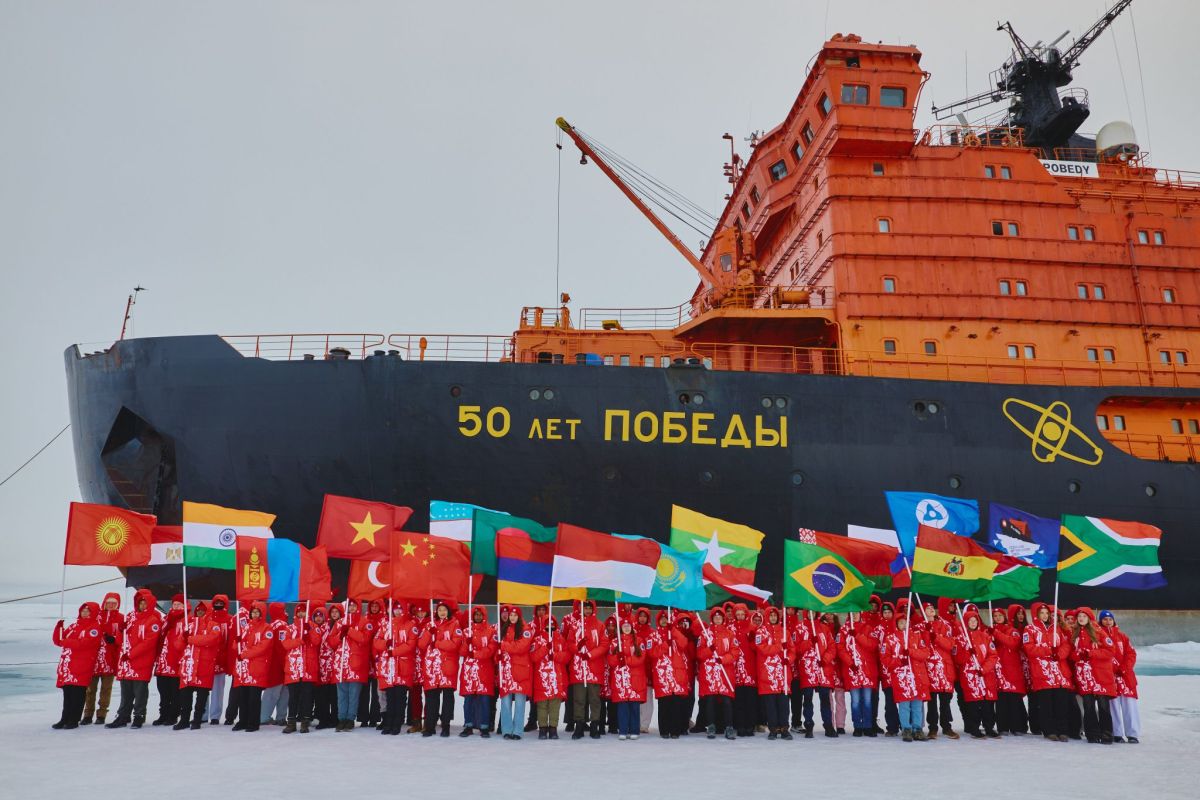
The two units will use RITM-series reactor systems, which have been operated on nuclear-powered icebreakers. Rosatom said the systems had demonstrated efficiency, reliability and safety over many years of operation.
The first electricity from the units is expected to reach Indonesian consumers no earlier than five years after the main terms of the electricity supply contract take effect.
Yudi said the project was part of efforts to support Indonesia’s energy transition while meeting growing electricity demand, particularly in the country’s eastern regions.
He stressed that the project was structured entirely as a business-to-business (B2B) arrangement, relying on private-sector investment and not on funding from the State Budget (APBN).
Rosatom Director-General Alexey Likhachev said the agreement was an important milestone in Russian-Indonesian energy cooperation, particularly in supporting Indonesia’s energy security and carbon-neutrality targets.
Likhachev said Rosatom was ready to offer proven nuclear technology and advanced technological solutions to support Indonesia’s energy needs.
He added that the cooperation would not be limited to electricity supply, but would also provide a foundation for a long-term partnership between the two countries.
Likhachev also said the project demonstrated the role of the private sector in initiating nuclear infrastructure development with government support.
PT Pembangkit Listrik Nuklir investor Haji Romo Nitiyudo Wachjo said the 200 MW project was expected to support Indonesia’s energy independence and promote development in North Maluku and eastern Indonesia.
He expressed his appreciation to Russian President Vladimir Putin, the Russian delegation and Rosatom for their cooperation on the project.
He also thanked Indonesian President Prabowo Subianto and Defence Minister Sjafrie Sjamsoeddin, who, he said, had given their confidence for the realisation of a 200 MW nuclear power plant project in North Halmahera, North Maluku.
The agreement marks a new step in exploring the use of nuclear technology to supply electricity in Indonesia, with private investment as one of the main elements of its financing.