
Indonesia and Japan Explore Cooperation on Asian-African Conference Museum Development
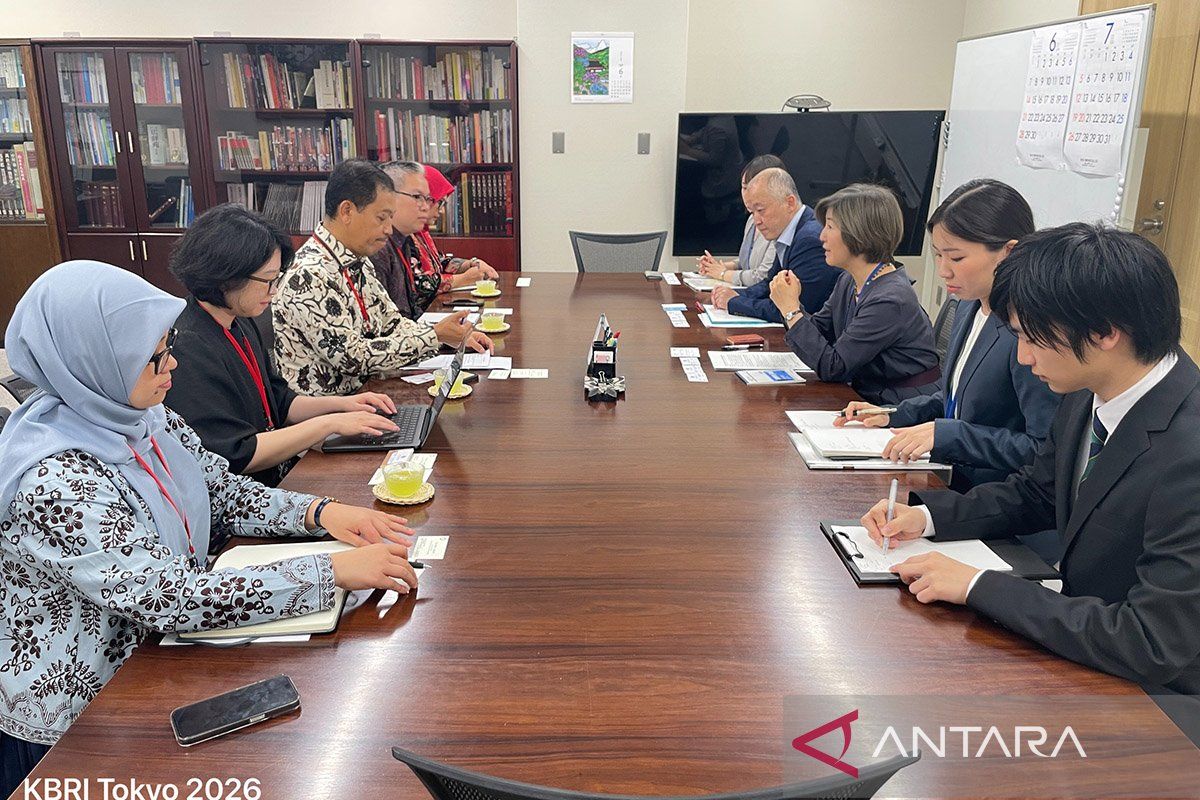
Indonesia and Japan are exploring strengthened socio-cultural cooperation, including the development of the historic Asian-African Conference Museum (MKAA) area, as part of the two countries’ Comprehensive Strategic Partnership. The discussions took place during a working visit by the Director General of Information and Public Diplomacy at Indonesia’s Ministry of Foreign Affairs, Heru Subolo, to Tokyo from 17 to 19 June 2026, according to a press statement from the Indonesian Embassy in Tokyo on Monday.
Heru said socio-cultural cooperation between Indonesia and Japan continues to be reinforced through cultural exchanges, education, and people-to-people dialogue. “We held a series of meetings with Japanese counterparts, including the Ministry of Foreign Affairs, the Japan Foundation, the National Archives of Japan, and the Japan Center for Asian Historical Records,” Heru stated.
He noted that Indonesia and Japan also exchanged views on information and public communication management in the digital era and on strengthening cultural diplomacy. “With the Japan Foundation, we discussed strengthening people-to-people relations through cultural exchange programmes, Japanese language education, Japanese studies, and global partnerships. This included talks on efforts to develop the Asian-African Conference Historic Area in Bandung,” he said.
Heru added that the National Archives of Japan and the Japan Center for Asian Historical Records welcomed opportunities for cooperation with Indonesia, particularly regarding the preservation, digitisation, and utilisation of Asian-African Conference archives for research, education, and public diplomacy purposes.
Meanwhile, the Head of the Asian-African Conference Museum, Noviasari Rustam, said Japan supports the museum’s capacity development, including in terms of human resources. According to her, the main challenges facing the museum are infrastructure, facilities, and human resources. The museum is also striving to maximise the provision of accurate information access for the public, not only in Indonesia but also for foreign tourists.
“They will also connect the Asian-African Conference Museum with museum networks in Japan. The museum will also establish cooperation with the National Archives of Japan and the Japan Center for Asian Historical Records regarding the digitisation and utilisation of KAA archives for education and public diplomacy,” she said.
In addition, the museum is exploring technical cooperation with the Tokyo National Museum, including sharing experiences on public programmes. On the sidelines of the visit, Heru also held a gastrodiplomacy discussion with Indonesian restaurant entrepreneurs in Tokyo. “Indonesian cuisine is one of the entry points for introducing Indonesia in Japan. The presence of Indonesian restaurants in Japan serves as an effective bridge for cultural diplomacy between the two countries,” he said.