
Indonesia and Australia Collaborate to Develop Thematic Aquaculture
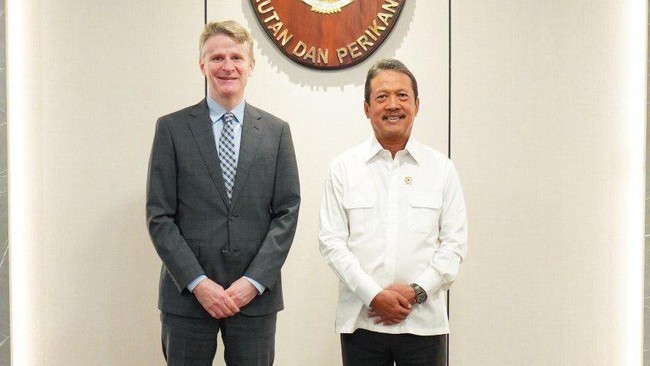
Indonesia and Australia plan to enhance fisheries cooperation, specifically in the field of aquaculture technology, to maintain food security in both nations. The technology in question is the mini Recirculating Aquaculture System (RAS).
This technology is intended to support thematic land-based aquaculture programmes ready to be implemented by the Ministry of Marine Affairs and Fisheries (KKP) in hundreds of potential fishing villages across Indonesia.
“I have seen firsthand how this RAS system operates in Tasmania to increase aquaculture productivity there. In Indonesia, we are prepared to develop 40,000 mini-RAS units to be implemented in hundreds of villages,” stated the Minister of Marine Affairs and Fisheries, Sakti Wahyu Trenggono, in a written statement on Wednesday (2/9/2026).
Mini RAS is an aquaculture system that allows for the management and reuse of water within the production system, ensuring that the rearing environment can be controlled more optimally. Through the application of this technology, it is expected to support increased productivity and efficiency in aquaculture activities.
The thematic aquaculture commodities currently ready for development using mini RAS technology include tilapia and catfish. However, in the future, the KKP also plans to expand aquaculture to include commodities such as pangasius, barramundi, grouper, and jade perch.
Furthermore, Trenggono explained that the increase in aquaculture cooperation is directed not only towards increasing production but also towards delivering economic benefits to the community.
“Our hope is that this increase in fisheries cooperation is not limited to investment, but also encompasses community empowerment, increased production capacity, technology transfer, and the sustainability of the built ecosystem,” Trenggono revealed.
The Australian Ambassador to Indonesia, Rod Brazier, stated that Australia possesses experience in the development of aquaculture technology and industry, which can serve as a space for knowledge exchange with Indonesia. This experience includes research aimed at increasing productivity and reducing environmental impacts.
“The cooperation between Indonesia and Australia is very important. We hope that moving forward, Indonesia and Australia can leverage our respective strengths to work together in building and maintaining ecosystems and food security,” concluded Rod Brazര്.