
Indonesia AirAsia Maintains 82% Load Factor Amid Cost Pressures
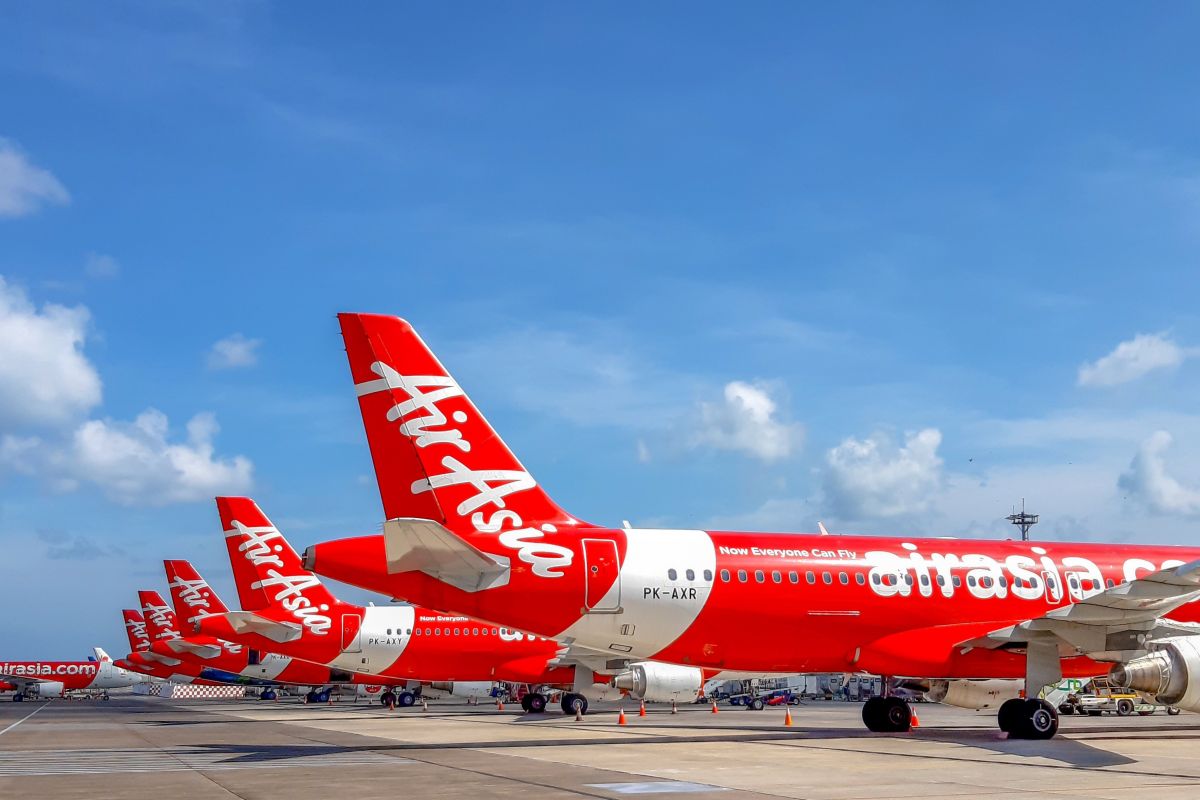
Jakarta (ANTARA) – Indonesia AirAsia maintained a passenger load factor of 82% through September 2026 amid pressure on operating costs, particularly from rising jet fuel prices and a weaker rupiah.
Revenue per available seat kilometre (RASK) rose 25.5% year on year. This was supported by network optimisation and adjustments to flight capacity, measured in available seat kilometres (ASK), which fell 23.6% year on year.
“The biggest challenge facing the aviation industry today is not passenger demand, but the rising cost of serving that demand,” Indonesia AirAsia President Director Achmad Sadikin Abdurachman said in a statement in Jakarta on Thursday.
Through September 2026, Indonesia AirAsia carried 3.92 million passengers on 26,455 flights. The company also recorded an 11.5% year-on-year increase in average fares to Rp1.23 million.
Despite this, the company’s operating revenue totalled Rp5.78 trillion, down 4.1% on the same period a year earlier.
Cost pressures continued to weigh on financial performance. Fuel expenses reached Rp2.83 trillion, up 19.1% year on year, following a 50.5% surge in global jet fuel prices and a 6.3% depreciation of the rupiah against the US dollar.
The conditions contributed to a pre-tax loss of Rp1.74 trillion. Excluding foreign-exchange losses, the pre-tax loss was Rp913.29 billion.
Achmad Sadikin said the company was continuing to optimise capacity, fleet productivity and revenue per flight to maintain efficiency amid cost pressures.
“We are making the most of every lever within our control, from managing capacity and fleet productivity to optimising revenue per flight and controlling costs. Our priority is not simply to add flight frequencies, but to ensure that each flight generates stronger economic returns,” he said.
Passenger ticket sales contributed Rp4.96 trillion of total revenue, while ancillary revenue reached Rp822.53 billion, generated from baggage services, in-flight meals, charter flights and air cargo.
Maximising this range of revenue sources is central to the strategy to increase the economic value of each flight and strengthen the resilience of Indonesia AirAsia’s business model.
For the remainder of the year, the company will continue to prioritise routes with sustained demand, selectively increase fleet utilisation and capture a surge in travel during the year-end peak season.
The strategy is supported by closer integration with the wider AirAsia Group ecosystem, including Fly-Thru connecting-flight services that reach more than 130 destinations.
“We see continued growth potential because underlying market demand remains resilient. With a more targeted route strategy, improved productivity and the support of the AirAsia Group ecosystem, we have a clear foundation for a gradual recovery in performance. We will maintain operational flexibility so that we can respond quickly to movements in fuel prices and exchange rates, as well as market needs,” Achmad Sadikin said.
Customer confidence is also strengthening Indonesia AirAsia’s position in the market.
In 2026, Indonesia AirAsia was named “Best Low-Cost Airline in Indonesia” for the first time at the Skytrax World Airline Awards.
The international recognition marks an important achievement for all Indonesia AirAsia Allstars and reflects strong customer appreciation for service quality that has remained consistent amid industry volatility.
“The Skytrax award is a tremendous motivation for all our Allstars. Although many external factors are beyond our control, our top priority is to run the business effectively. With support from a resilient market, the strength of the AirAsia Group route network and the dedication of our entire team, we are confident we can overcome the current challenges and build healthier, more sustainable performance over the long term,” Achmad Sadikin said.