
Indonesia Aims to Implement Universal Banking; Banker Outlines Necessary Requirements
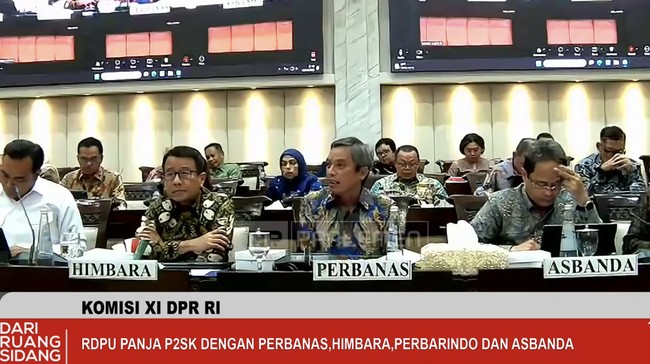
The Indonesian National Bankers Association (Perbanas) has stated the need for regulations to properly support the implementation of universal banking in Indonesia. The Vice Chairman of Perbanas, Nixon L.P. Napitupulu, noted that there are currently no universal banks in Indonesia due to the absence of supporting regulations.
Consequently, he mentioned that Indonesian banks are currently prohibited from conducting equity financing. “Therefore, if there is a client requiring equity financing, they have to navigate various complex routes. This is currently only performed by securities firms because we are not permitted due to licensing issues,” Nixon said during a Public Hearing at Commission XI of the Indonesian House of Representatives (DPR RI) on Tuesday (2/6/2026).
Furthermore, he addressed the obligation to separate Sharia banks from conventional ones. This practice differs from other countries, such as Malaysia’s CIMB, which offers both conventional and Sharia banking services within a single integrated group. Another example is insurance products, which must be managed by insurance companies rather than directly by banks.
Nixon argued that the implementation of universal banking must be supported by regulation, equity, infrastructure readiness, and internal bank policies. This would enable large Indonesian banks to begin transitioning into universal banks. “This way, we will not constantly lose to DBS, CIMB, and so on, because we currently cannot enter these markets due to licensing and permit issues,” he added.
Additionally, the supervisory structure by the Financial Services Authority (OJK) could become more integrated. Nixon supports the principle of universal banking being opened gradually, starting with limitations based on infrastructure readiness, regulations, human resources, and capital. He concluded that the regulatory process should be streamlined through a single-door system to reduce complexity.