
Indonesia actively involved in developing vaccines to accelerate TB elimination
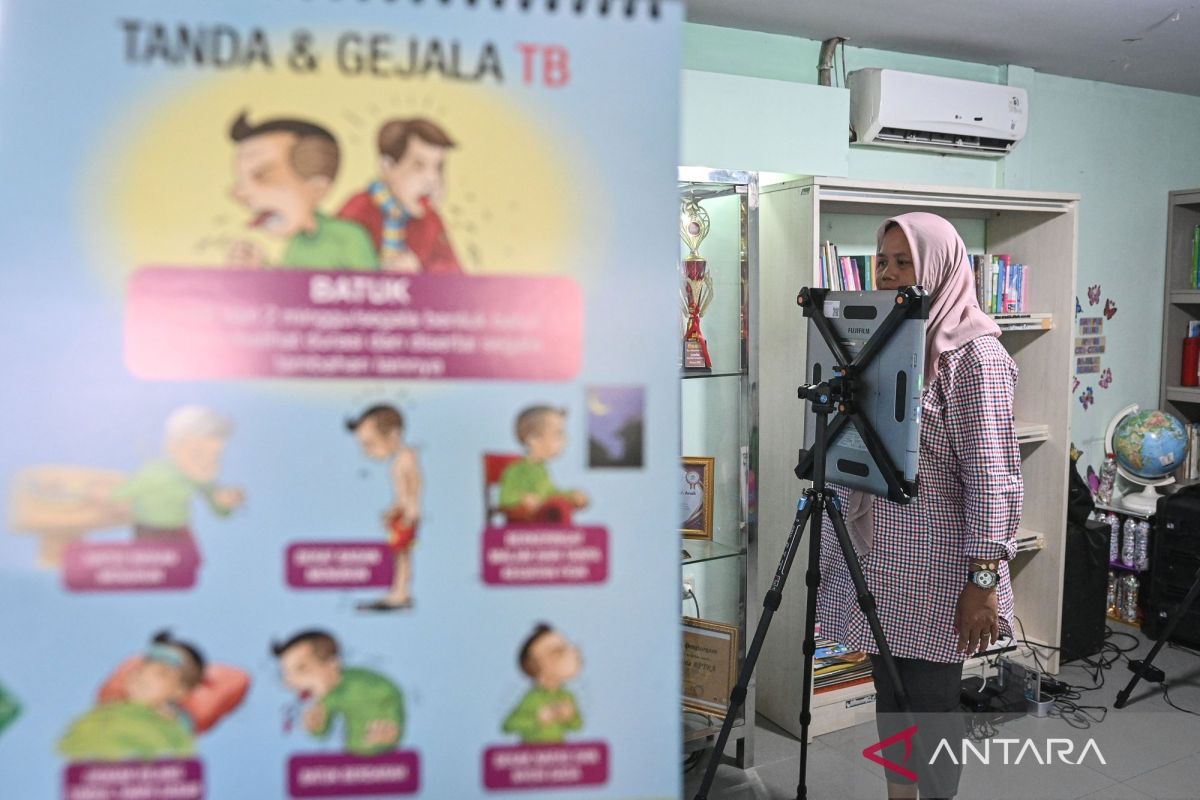
The Director General of Pharmaceuticals and Medical Devices at the Indonesian Ministry of Health, Lucia Rizka Andalucia, stated that Indonesia is actively involved in the development of tuberculosis (TB) vaccines as part of an effort to accelerate the elimination of the disease in the country.
“There is currently no TB vaccine available worldwide. The development of this vaccine is underway, and fortunately, Indonesia is actively involved in the development of the TB vaccine,” Lucia said during the IASMED 2026 Annual Meeting in Jakarta on Saturday.
Lucia noted that vaccines represent a crucial modality in the effort to eliminate TB, alongside the medicines and diagnostic tools that are currently available. According to her, Indonesia still faces a heavy TB burden. Previously ranked third among countries with the highest number of TB cases globally, Indonesia has now moved to second place, following India.
Consequently, the elimination of TB has become one of the President’s ‘Quick Win’ programmes in the health sector, alongside the Free Health Check-up (CKG) programme and the strengthening of hospital capacities.
She added that conducting clinical trials domestically could help Indonesia gain faster access to vaccines once they become available. “If we had not conducted clinical trials for vaccines during the pandemic, we would not have had rapid access to vaccines,” she said.
Regarding TB vaccine development, Lucia mentioned that Indonesia currently has three candidates that can be accessed and developed for national interests. One of these is the M72 vaccine candidate, developed through a collaboration with GSK and the Gates Foundation, which has now entered phase 3 clinical trials.
Additionally, Indonesia is developing TB vaccine candidates independently through Bio Farma and Lipotek, as well as another candidate developed by Etana in collaboration with CanSino. The candidates developed by Bio Farma and Lipotek, and Etana and CanSino, are still in the early stages of clinical trials, specifically phase 1.
“Hopefully, all of them prove to be ethical and safe,” Lucia concluded.