
Indonesia Achieves Rice Self-Sufficiency, No Import Permits Issued in 2025: Minister
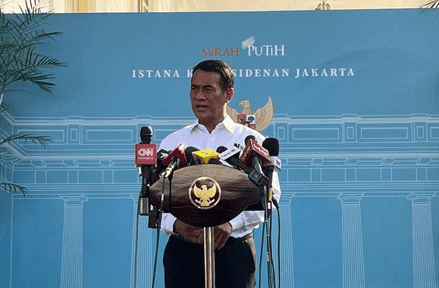
Minister of Agriculture Andi Amran Sulaiman has asserted that Indonesia has achieved rice self-sufficiency. This is evidenced by the government’s policy of not issuing any medium rice import permits throughout 2025, following a significant surplus in national food reserves. The affirmation was made after the minister met with President Prabowo Subianto at the State Palace in Jakarta on Thursday (18/6/2026). Amran dismissed doubts regarding the self-sufficiency claim by presenting real food stock data as of June 2026, which he described as very abundant. According to a report from the Ministry of Agriculture, the government’s rice stockpile has reached 5.2 million tonnes. This figure far exceeds the internal warehouse capacity of the State Logistics Agency (Bulog), which can only accommodate 3 million tonnes. This surplus has forced Bulog to take extra measures to secure the existing supply. ‘Bulog’s capacity is only 3 million tonnes, but our stock is 5.2 million tonnes. This means Bulog is currently renting warehouses for 2.2 million tonnes,’ Amran revealed. In addition to the physical stock in warehouses, the government also recorded significant potential from standing crop, or paddy still in the fields, estimated at between 10 and 11 million tonnes. Meanwhile, downstream reserves held by households, hotels, and restaurants amount to 12.5 million tonnes. With the accumulation of these three indicators, the government projects that national rice consumption needs are secure for the next 10 to 11 months. This success has also had a positive impact on macroeconomic stability. ‘This rice surplus extends the positive trend in the domestic agricultural sector, where rice is no longer a contributor to national inflation for two consecutive years,’ Amran concluded.