
IndoEBTKE 2026: Indonesia's Race to Pursue Clean Energy
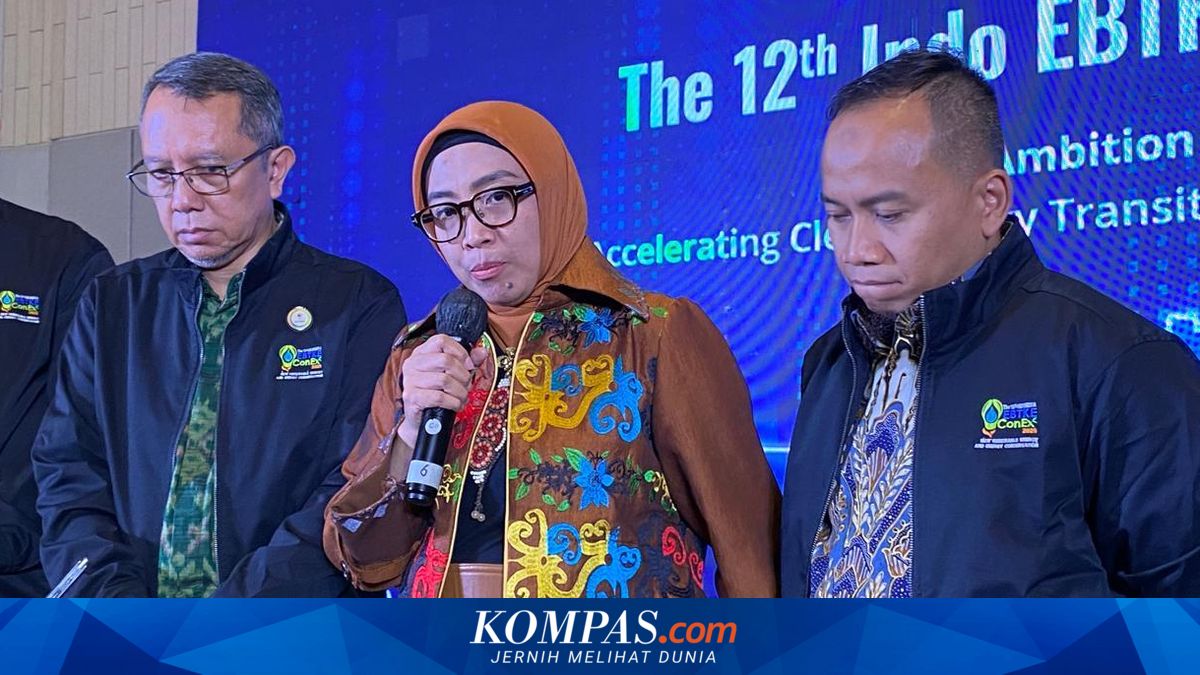
Jakarta — As global energy prices remain volatile and climate change pressures intensify, Indonesia faces a major challenge in maintaining energy security whilst reducing carbon emissions. The IndoEBTKE 2026 forum serves as a platform for the government, industry, and energy stakeholders to affirm the direction of Indonesia’s national energy transition.
The government, through the Ministry of Energy and Mineral Resources (ESDM), has reaffirmed its commitment to accelerating the shift towards clean energy. These efforts are being pursued through regional collaboration, technological innovation, and increased green investment.
At the 12th IndoEBTKE ConEx 2026, energy transition issues are viewed as increasingly relevant amid a complex global energy geopolitical dynamic. Energy price fluctuations, supply chain uncertainties, and climate change pressures are all driving factors for accelerating new renewable energy development.
The Director General of New Energy, Renewable Energy, and Energy Conservation (EBTKE), Eniya Listiani Dewi, stated that the development of new renewable energy and energy conservation have become strategic priorities for maintaining energy security whilst ensuring long-term economic stability.
“Indonesia possesses very substantial new renewable energy potential that must continue to be optimised to strengthen national energy security whilst reducing carbon emissions,” said Eniya in Jakarta on Friday, 13 March 2026.
“The potential of new renewable energy in Indonesia is enormous and we must continue to drive its utilisation. For instance, solar energy is estimated to have potential of around 3,200 gigawatts, which is one of the strategic clean energy sources for the future,” said Eniya.
Beyond renewable energy development, the government has also emphasised the importance of energy conservation as part of the national energy transition strategy.
“In addition to promoting new renewable energy development, we also need to strengthen energy conservation efforts through the implementation of energy management and energy efficiency across various sectors,” she added.
From the electricity perspective, support for energy transition is also reflected in the national electricity generation development plan.
PT PLN (Persero) Director of Project Management and New Renewable Energy, Suroso Isnandar, stated that targets for new renewable energy in the Electricity Supply Business Plan (RUPTL) 2025–2034 have increased significantly.
“The increase in renewable energy targets in the RUPTL 2025–2034 to 76 per cent demonstrates PLN’s support for energy transition. We encourage cooperation from various stakeholders, especially policymakers, industry players, and investors to collectively realise these targets,” said Suroso.