
Indo-Pacific Nations Unite to Counter China: What's Behind the Move?
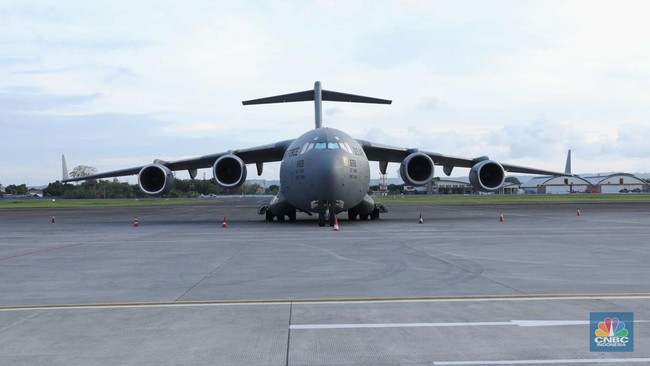
Jakarta, CNBC Indonesia – Indo-Pacific nations are ramping up their military arsenals amid China’s military expansion and growing uncertainty regarding US assistance to the region. Quoting Reuters on Sunday (31 May 2026), US Defense Secretary Pete Hegseth urged regional partners to shoulder more security responsibilities. However, concerns persist that US priorities may shift, particularly due to the ongoing Iran conflict drawing attention. Philippine Defence Minister Gilberto Teodoro said regional defence chiefs and military officers have emphasised the need for intensified cooperation among regional nations. ‘All defence ministers agreed on the need for rapid and agile enhancement of individual defence capabilities,’ Teodoro told Reuters. He described this as an effort to ‘strengthen’ the US role, with Manila deepening defence ties with partners including Japan, Australia, Canada, and New Zealand. ‘US commitment becomes more robust when more actors are involved, at least in the deterrence phase, due to shared threats,’ he added. Meanwhile, Japan is positioning itself as the hub of a broader network. In April, it launched its largest overhaul of defence export rules in decades, removing restrictions on foreign arms sales and paving the way for exports of warships, missiles, and other weaponry. Defence Minister Shinjiro Koizumi stated his ministry will be far more proactive in defence equipment cooperation. ‘Our aim is to ensure each nation has the capabilities it needs and can access them when required,’ he explained. Singapore’s Defence Minister Chan Chun Sing also said current circumstances require developing flexible partnerships with like-minded nations, forming coalitions of those able and willing. ‘This will help bridge gaps, test ideas, and find paths in uncharted territories,’ he said. Next, Canadian Chief of Defence Staff General Jennie Carignan said her forces are expanding their presence in the region, collaborating with Japan and the Philippines on cyber security and maritime exercises, while also assisting Indonesian counterparts with English language training. ‘There is much work to be done in the Indo-Pacific region. I believe this is why we are seeing enhanced partnerships across all fronts,’ Carignan said. Meanwhile, New Zealand is weighing closer ties and new defence procurement. Defence Minister Chris Penk confirmed Wellington is actively considering vessels from Japan and the UK to replace their ageing ANZAC-class frigates. Penk, who took office in April, said there is scope to continue the pact at a more intensive level. ‘So if we can find new ways to interact with others while maintaining existing relationships, we will strive to do so simultaneously,’ Penk said. Despite regional nations strengthening ties, Asian officials insist US commitment to the Indo-Pacific remains strong despite Middle East conflicts and former President Donald Trump’s ‘America First’ policy. ‘Our confidence is not shaken by US involvement in Iran, for example, or other regions,’ said Teodoro of the Philippines. For Australia, Defence Minister Richard Marles described the relationship with Washington as fundamental to national security. ‘For both us, whether the Trump administration or Australia’s Albanese government, we see ourselves as relationship managers beyond our own interests,’ Marles said.