
Indirect Iran-US Diplomacy in New York Stagnates: What is Happening Behind the Scenes
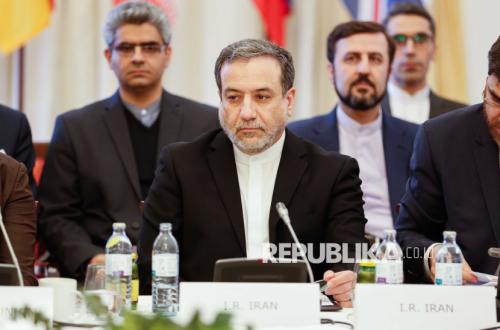
Indirect talks between the United States and Iran aimed at ending the seven-month-long conflict continue to persist. The latest diplomatic efforts are being pursued through Qatari mediation on the sidelines of the UN General Assembly (UNGA) in New York. However, both warring parties remain at odds regarding the discussion agenda.
Iranian Foreign Minister Abbas Araghchi left New York on Tuesday after informing the state-run Islamic Republic of Iran Broadcasting (IRIB) that he was awaiting an official response to Tehran’s proposal to reopen the Strait of Hormuz before the end of the day. The proposal, which Iran claims could reopen the strait within seven days, was first presented to the US via the Qatari mediator last week.
US President Donald Trump has reportedly rejected the offer, which stipulates that Tehran reopen the strait in exchange for Washington ending the naval blockade, lifting sanctions, unfreezing approximately $12 billion in Iranian assets, and implementing a broader regional ceasefire, including in Lebanon.
Under Iran’s proposal, broader peace negotiations, including discussions on its nuclear programme, would only commence once these conditions are met.
Although Trump has openly rejected the proposal, Araghchi claimed he has not yet received a formal response from Washington. Meanwhile, US media reports suggesting that Trump might be willing to ease sanctions and unfreeze Iranian assets have been strongly denied by the US President.
US officials have stated that their preference is for an agreement that resolves all issues comprehensively in a single package, particularly regarding Tehran’s nuclear programme, rather than adopting a phased approach.
According to reports from Al Jazeera, the following details are known regarding the negotiations:
What is being discussed?
Qatari mediators met with Araghchi in New York on Monday to discuss ways to advance Tehran’s proposal regarding the reopening of the Strait of Hormuz before proceeding to broader peace negotiations.
In a Telegram post, Araghchi emphasised that the discussions focused specifically on the Strait of Hormuz. He denied that the US had officially rejected Iran’s proposal.
“Regardless of what the US President says, I am conveying that we are still awaiting an official US response through the mediator… They [Qatar] have a number of ideas and we have discussed them. They will relay this issue back to the American side, and the final response from the American side will be conveyed to us through the Qatari mediator,” Araghchi stated on Monday night.
Araghchi also noted that negotiations have become more “serious,” but maintained that Tehran’s position remains unchanged.