
Indikator Survey: Government Programmes Help 2026 Mudik Travellers Feel Assisted
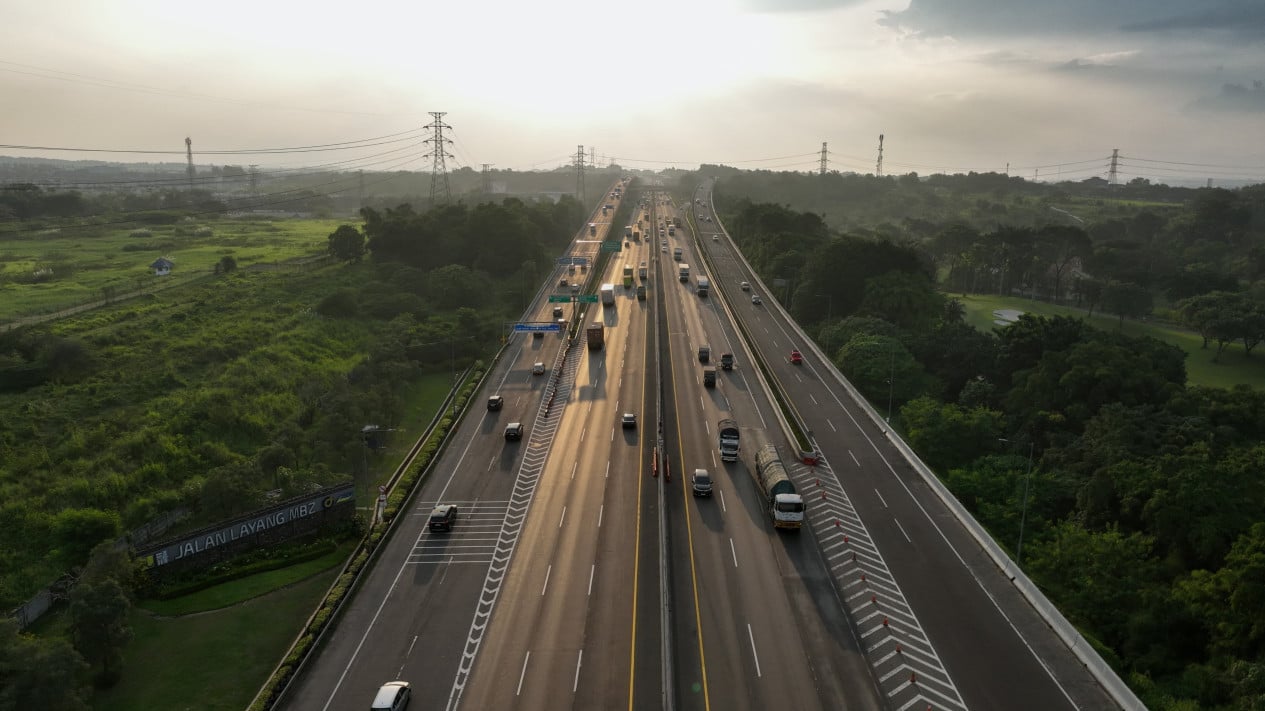
A number of tactical programmes launched by the government are deemed effective in providing a sense of security and comfort for the public during the 2026 Lebaran mudik flow, resulting in high levels of public satisfaction. Lead Researcher of Indikator Politik Indonesia, Hendro Prasetyo, explained that the success of this year’s mudik is inseparable from targeted policy interventions. Based on face-to-face survey data from 29 March to 4 April 2026, involving 1,200 respondents with a 95% confidence level, various government programmes received appreciation and significant public awareness. Hendro highlighted that the programmes most widely known and felt by the public were logistics and transportation assistance. As many as 59% of the public were aware of the food aid programme in the form of 10 kg of rice and 2 litres of cooking oil. Additionally, the Free Mudik programme recorded high awareness at 55%. “Free Mudik is the programme seen as most helpful by mudik travellers. The massive involvement of various agencies succeeded in reducing transportation cost burdens while curbing road risks,” said Hendro in Jakarta on Tuesday, 7 April 2026. Furthermore, Hendro stated that the mudik success was also supported by the government’s achievement in maintaining energy price stability. Nearly half of the public (49%) were aware of and felt the benefits of the government’s guarantee that fuel prices would not rise. “The government also provided various fare incentives that smoothed the mudik and return flow, including transport discount programmes (land, sea, and air) known to 38% of respondents,” he said. In addition, the toll road fare discount programme reached 34% public awareness, including the increased THR budget known to 35% of the public. Then, the government provided flexibility through the “Work From Anywhere” (WFA) policy for Civil Servants (ASN). As many as 29% of the public were aware of this policy, which indirectly helped break up return flow density due to more flexible return times. Overall, Hendro emphasised that the combination of social programmes, economic incentives, and infrastructure readiness has created a positive mudik ecosystem. “The data shows that the state’s presence in managing this annual tradition ran very well. Many programmes ‘reached’ the public and were felt to be beneficial. This has made public satisfaction levels very high,” he concluded.